Subscribe to our social channels to get the latest news about Hungary!


According to the only logical explanation, the multi-tens-of-billions gas-market VAT fraud of 2024 may have been directed by the Russian intelligence services. The fictitious electronic supply-chain transactions used to launder the deals also leave open the question of who, and for what purpose, could access such vast sums within the Hungarian energy market.
Nearly HUF 70 billion (approx. EUR 183.5 million) may have been siphoned from the Hungarian state by unknown perpetrators who, in 2024, disrupted the domestic gas market on an unprecedented scale.
According to Válasz Online’s sources, the level of organisation and magnitude of the VAT fraud scheme were exceptionally high, draining money from the national budget with industrial efficiency – all while banks and authorities remained effectively paralysed.
Based on the information available so far, a network linked to Russian intelligence services may stand behind the machinations. Although there is still no direct proof, there is no other rational explanation for how companies previously unknown in the market could access enormous quantities of natural gas and sell it on at below-market prices.
At first glance, the VAT fraud actually appeared to have a positive effect on the gas market. The gas sold by the perpetrators flooded CEEGEX, trading volumes rose by 65 per cent, and even MVM welcomed the surprisingly strong upswing.
Almost every market participant benefited from the expansion: storage operators, shippers, exchange-member traders, and even the government, since the influx of cheap gas lowered energy prices. It was only later that it became clear all this stemmed from a gigantic tax scam.
There was nothing initially to justify suspicion of VAT fraud: most of the gas had been imported from Austria with the involvement of major players such as OMV, and they only trade with those who meet the strictest reliability checks.
How the nominal “owners”, living on paper in deep poverty, could possibly meet these criteria leaves only one reasonable conclusion: they must have had serious, organised backing.
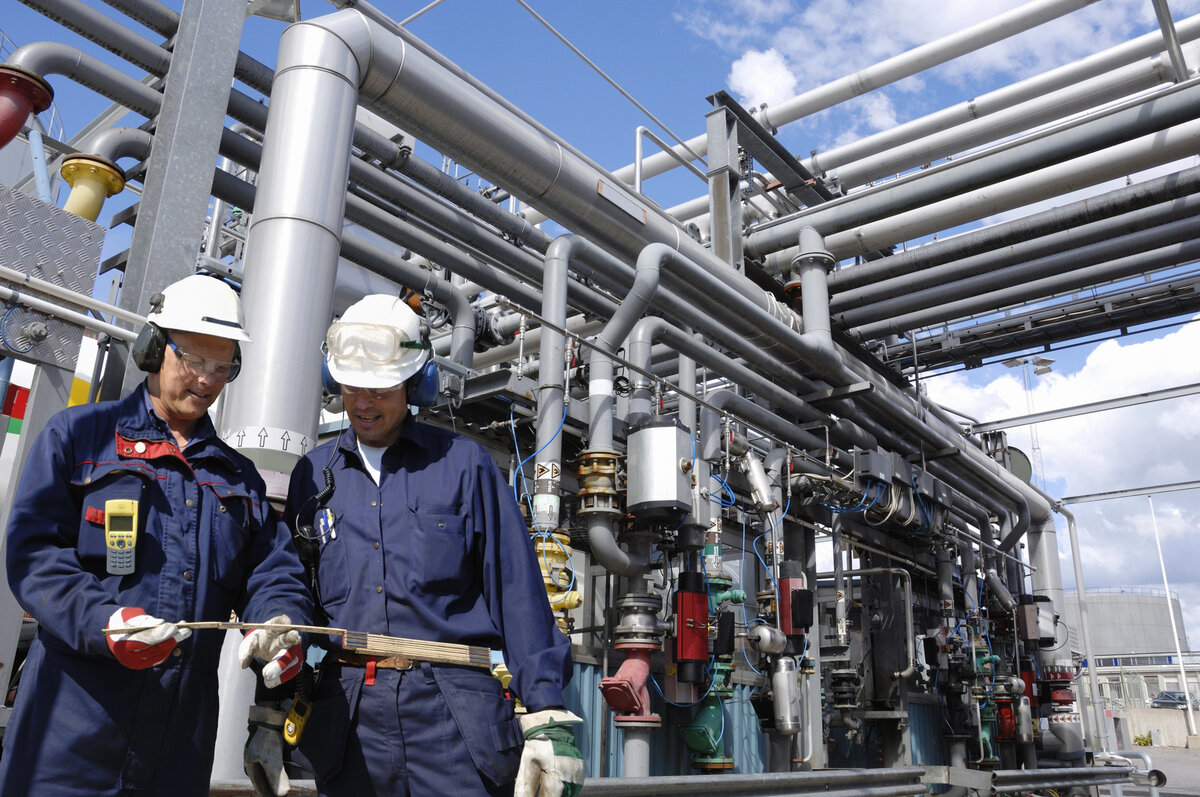
The key to the method lay in zeroing out the VAT. Through fictitious electronic goods trading chains, they imported such vast quantities of smartwatches and games consoles that these could easily “cover” the VAT payable on the gas deals. In reality, however, these products never existed – something first detected by the tax authority (NAV).
This practice has been commonplace in the Russian gas market for decades when it comes to VAT fraud. The appearance of straw men and brand-new shell companies across various countries, offering discounts to attract local players, also strengthens suspicions of Russian involvement, as this tactic is far from unprecedented.
The multi-billion-forint capital needed to kick-start the VAT fraud scheme also suggests we are not dealing with risk-seeking private individuals, but rather with state-backed, intelligence-linked financing.
The biggest unanswered question remains: where did the money go? We are talking about tens of billions of forints, yet there is no substantive trail to help the investigation progress. The only plausible explanation is that the funds were moved abroad in ways requiring not only financial sophistication but significant influence.
If the assumptions are correct, revenue extracted from the Hungarian gas market may have been used to finance operations that threaten Europe’s security, from disinformation campaigns to acts of sabotage.
This story is not entirely without precedent. As Economx previously reported, a smaller but very similar network, also manipulating gas transactions, operated in 2017–18. Authorities, largely due to the lack of genuine political will, failed to dismantle the group, and the so-called “five little pigs” managed to extract billions from the state.
The energy regulator had already suggested at the time that a reverse-charge VAT system should be considered, which would have eliminated opportunities for further VAT fraud. The proposal, however, was rejected, and authorities only managed to revoke gas-trading licences – the money and the perpetrators were never recovered.

 ZH
ZH IT
IT DE
DE HR
HR NL
NL FR
FR JA
JA RO
RO RU
RU ES
ES TR
TR


How can anyone be surprised?
Yeah, like how the Russians blew up Nords Stream, right?
Right?
We all know it was the Ukrainians.
Putin has nothing to gain by undermining a friendly government. Ukrain has to gain from undermining an antagonistic government.
@mark – Ukraine is corrupt – Rank 105 – but guess which country is at Rank 154 (out of 180) ?
https://www.transparency.org/en/cpi/2024/index/srb
With “friends” like Russia, who needs enemies! #redistributingwealth