Subscribe to our social channels to get the latest news about Hungary!


Was life better in the old days? We take a closer look at how housing costs burdened Hungarian workers in the last century.
In the early 20th century, Hungarian workers lived in cramped and overcrowded conditions. In Budapest, the most common arrangement was a rented one-room apartment with a kitchen, no bathroom, and a shared courtyard well. Monthly rents ranged from 15 to 30 crowns: equivalent to one to two weeks’ wages for a labourer. This meant that about a third of a family’s income was spent just on housing, leaving little for other necessities.
The other three weeks’ earnings had to cover food, fuel, clothing, and children’s expenses. Given the prices at the time, this was nearly impossible for many families. As a result, some opted for shared accommodations or rented a single bed in someone else’s home for 8–10 crowns a month. In this world of so-called “bed-walking” (“ágyrajárás”), it wasn’t uncommon for 11–17 people to crowd into a single apartment.
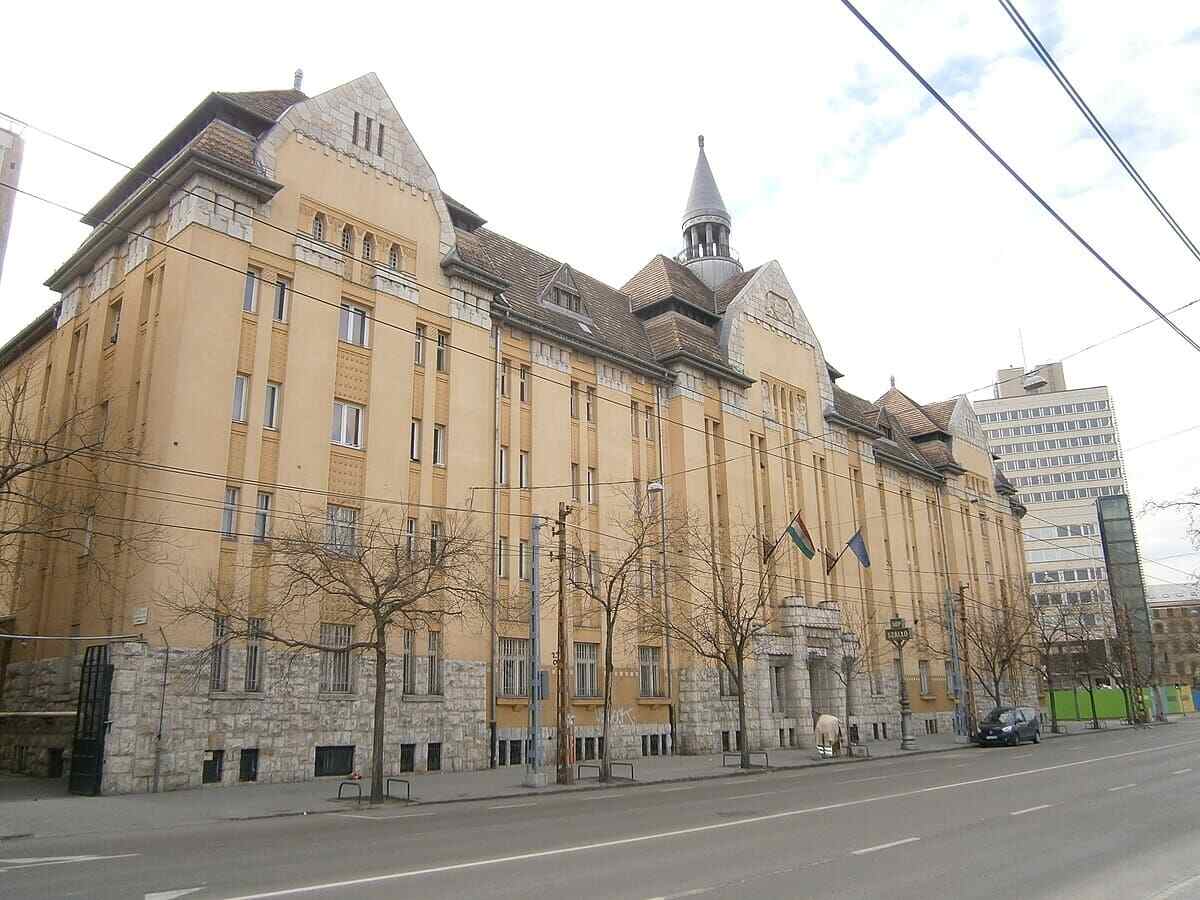
To ease Budapest’s growing housing woes, the city opened the generously built Népszálló in 1911 on Dózsa György Road. With 450 rooms, it offered temporary accommodation for hundreds, including workers, lower-level clerks, students, and those in need. It was an affordable option: in 1940, a sleeping cabin cost 45 fillér, and a small private room was 60 fillér: just a few hundred forints today. The facility represented a more civilised version of the “bed-walking” system.
Housing was somewhat better in mining towns and industrial areas. In Tatabánya or Ózd, workers lived in company housing, with rents of 10–15 crowns a month automatically deducted from their wages. These were small 30–35 square meter homes with a kitchen and pantry. Bathrooms were shared and located outdoors, and the walls were often damp. Bathing typically took place in municipal bathhouses, where a few fillér would buy you a tub of hot water. Even so, this was an improvement over the overcrowded tenements of Budapest, where personal privacy was nonexistent.
In 1927, the crown was replaced by the pengő, which became the new standard for wages and rent.
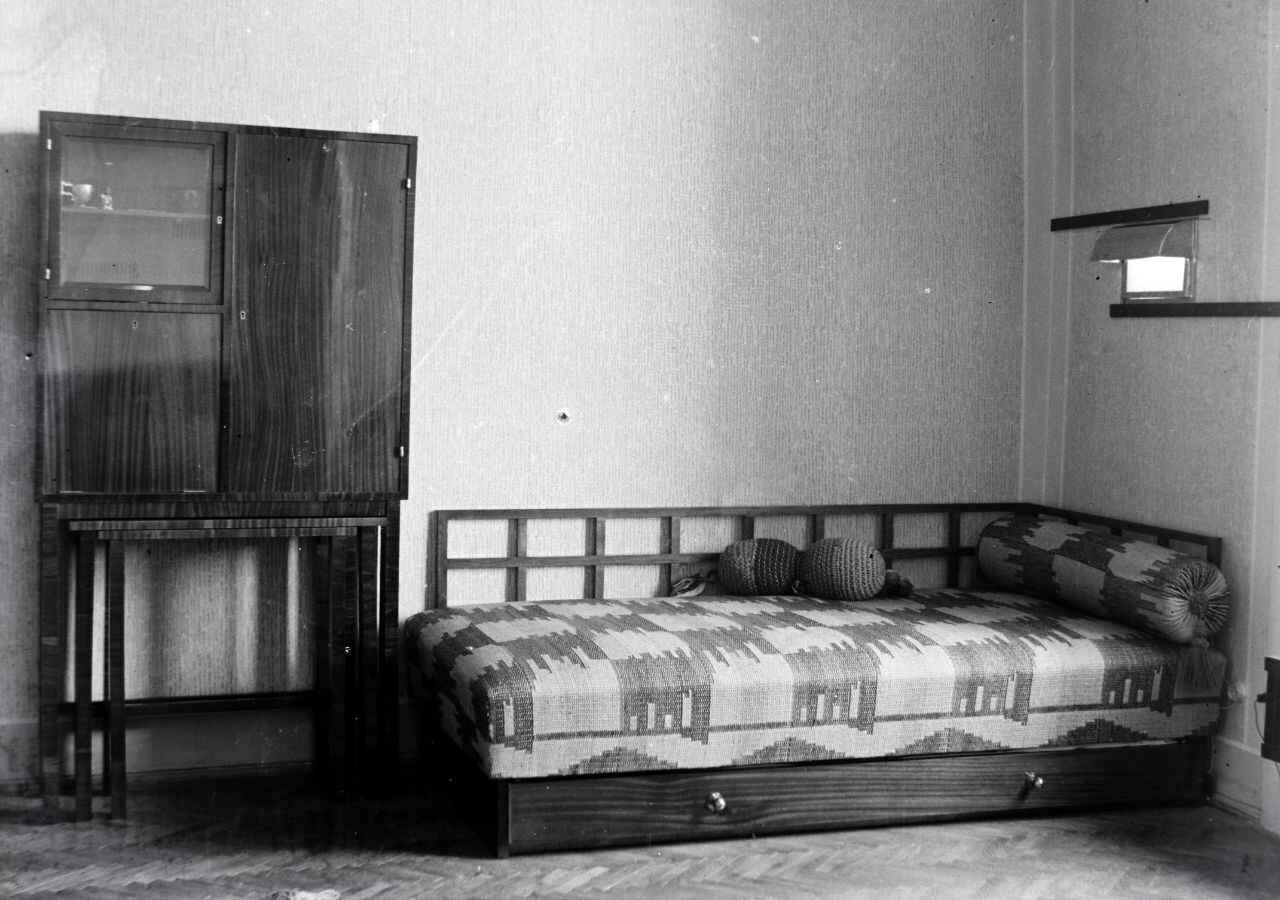
At the time, a basic worker’s apartment cost 15–25 pengő a month. A miner or factory worker earned 70–90 pengő, so once again, housing took up about a third of their income. In places like Újpest, leather factory workers paid 25–30 pengő for company housing: a cost many found too steep. To manage expenses, multiple families would often move in together. Furnishing the home was another major expense: a full bedroom set could cost several months’ wages, leading many to buy on instalment or shop second-hand.
After World War II, many large companies ran their own dormitories for employees, but there were no consistent regulations. That changed in 1961 with the introduction of the first nationwide decree on pricing for workers’ housing facilities. The new system established five categories: residents in the best conditions paid 180 forints per month, while those in the simplest accommodations paid just 15 forints. The cheaper options were typically overcrowded, while the more expensive lodgings offered fewer roommates, more furniture, and more dignified living spaces.
These fees included electricity, heating, cleaning services, and regular linen changes. In most cases, costs were automatically deducted from wages, so workers didn’t have to pay out of pocket.
From room-and-kitchen units to “bed-walking,” company housing to classified dormitories: the forms may have changed, but the core challenge remained: housing always consumed a significant portion of workers’ incomes. And as today’s rental prices show, that burden hasn’t gotten any lighter in the past hundred years.
Source: Arcanum
Featured image: Wikimedia Commons / Fortepan / Szántó Zoltán
Read more from us: Hungarian history
Read also:
To read or share this article in Hungarian, click here: Helló Magyar


