Subscribe to our social channels to get the latest news about Hungary!


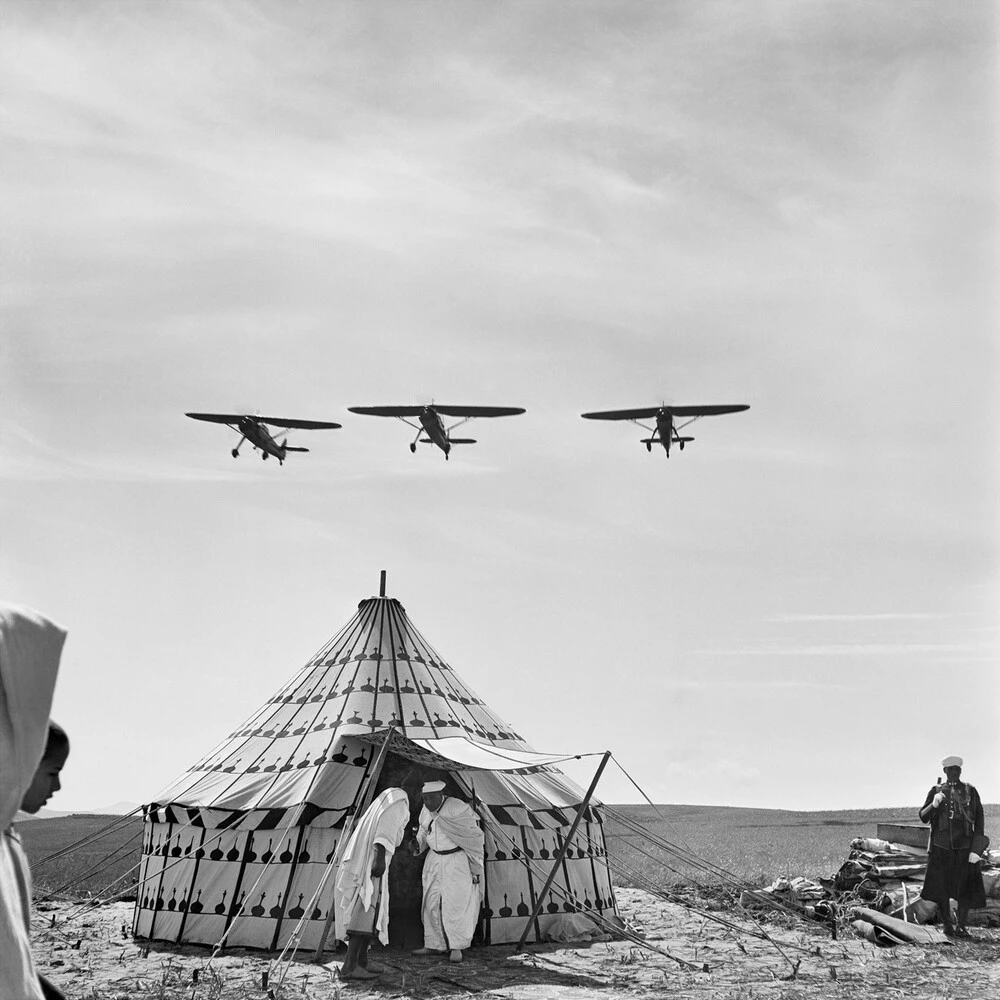
This exhibition – Nicolás Muller: The Committed Gaze – sheds light on the work of Nicolás Muller (Born Miklós Müller, Orosháza, Hungary, 1913 – Andrín, Spain, 2000). He spent most of his life in Spain and who was one of the leading figures of Hungarian socio-documentary photography and at the same time, he is considered one of the most important representatives of post-war photography in Spain, the country where he would finally settle.
The exhibition – presented at the Capa Centre from 16 June to 4 September – explores the landscapes of a lifelong journey and the countries where Muller lived. It includes 126 mostly unpublished photographs taken between 1930 and 1967, being made especially for this occasion, upon the request of the Cervantes Institute and the Ministry of Culture of Spain.
The exhibition has been organized by the Capa Center and the Instituto Cervantes Budapest, and co-organized by the Spanish Ministry of Culture with the collaboration of the Embassy of Spain in Budapest.
Muller enriches the extraordinary list of worldwide recognized Hungarian photographers, such as André Kertész, László Moholy-Nagy, Martin Munkácsi, Francisco Aszmann, Eva Besnyö, Brassaï, Lucien Hervé, Mari Mahr or Robert Capa. Like many of them, he spent much of his life in exile.
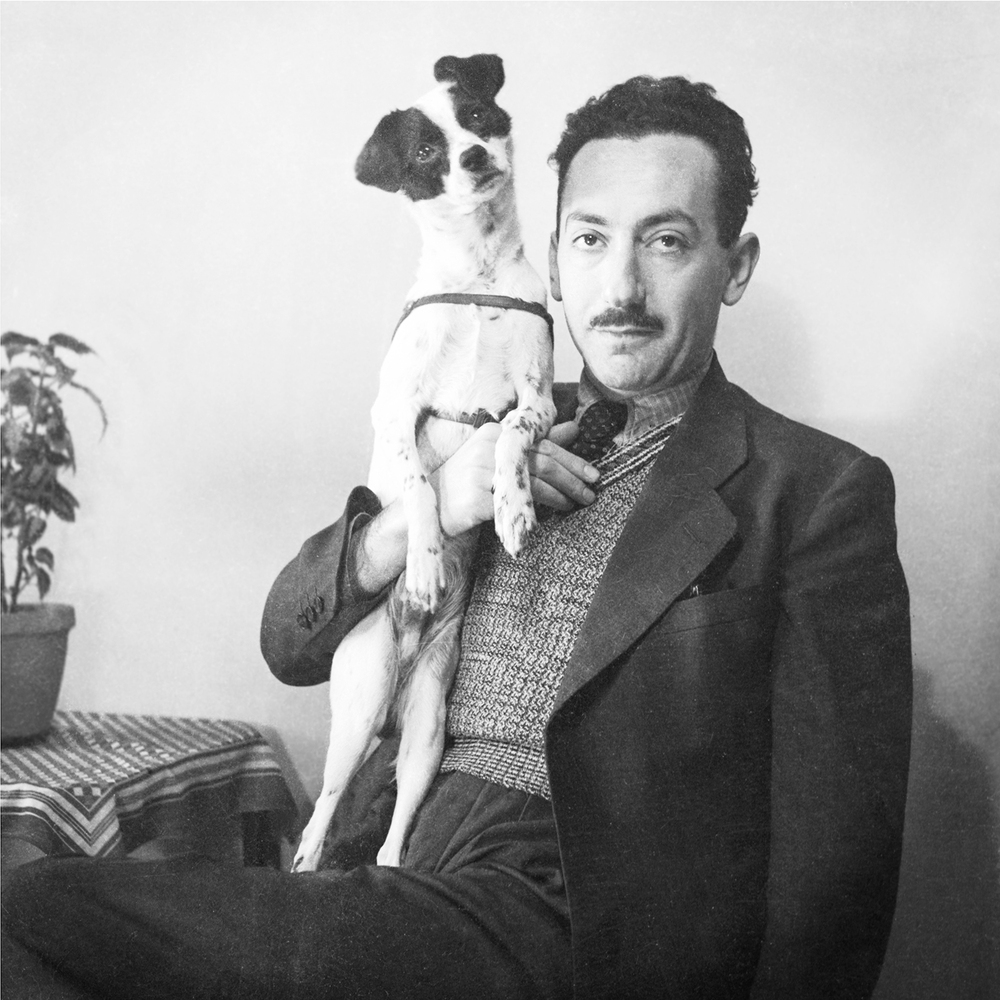
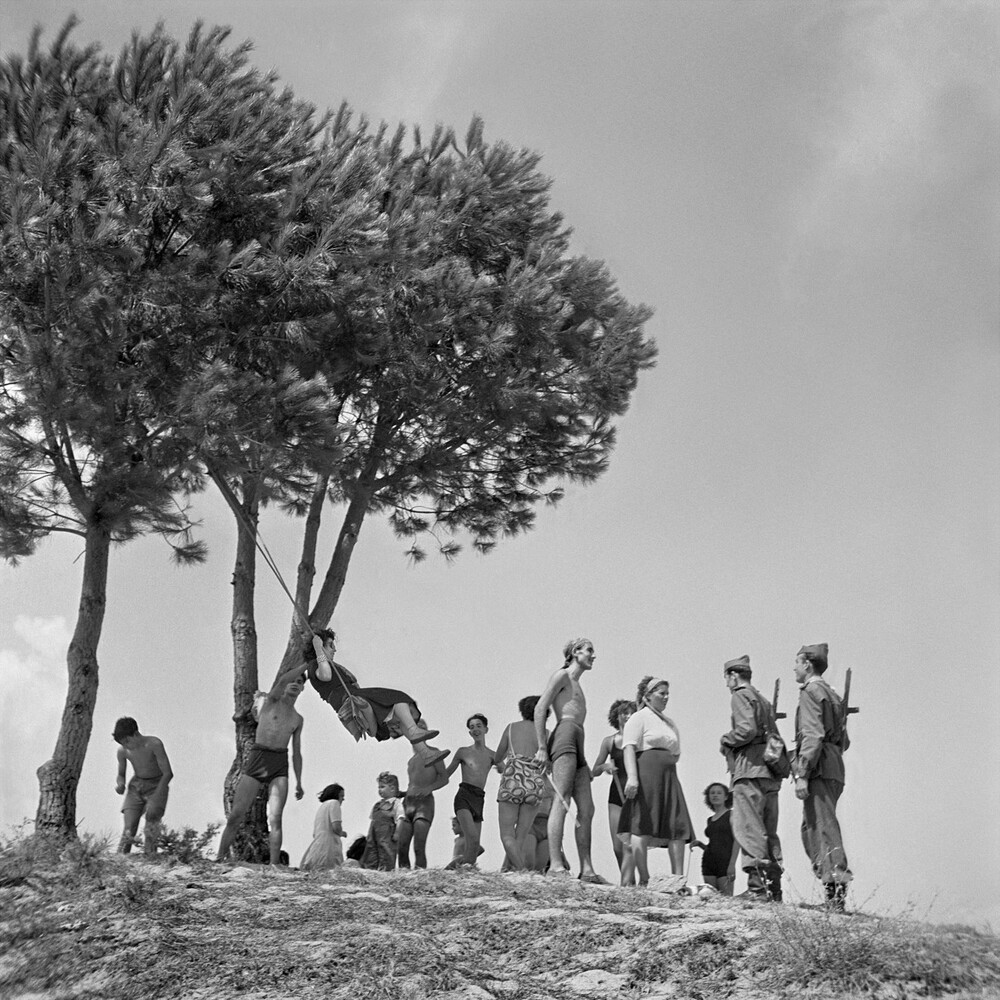
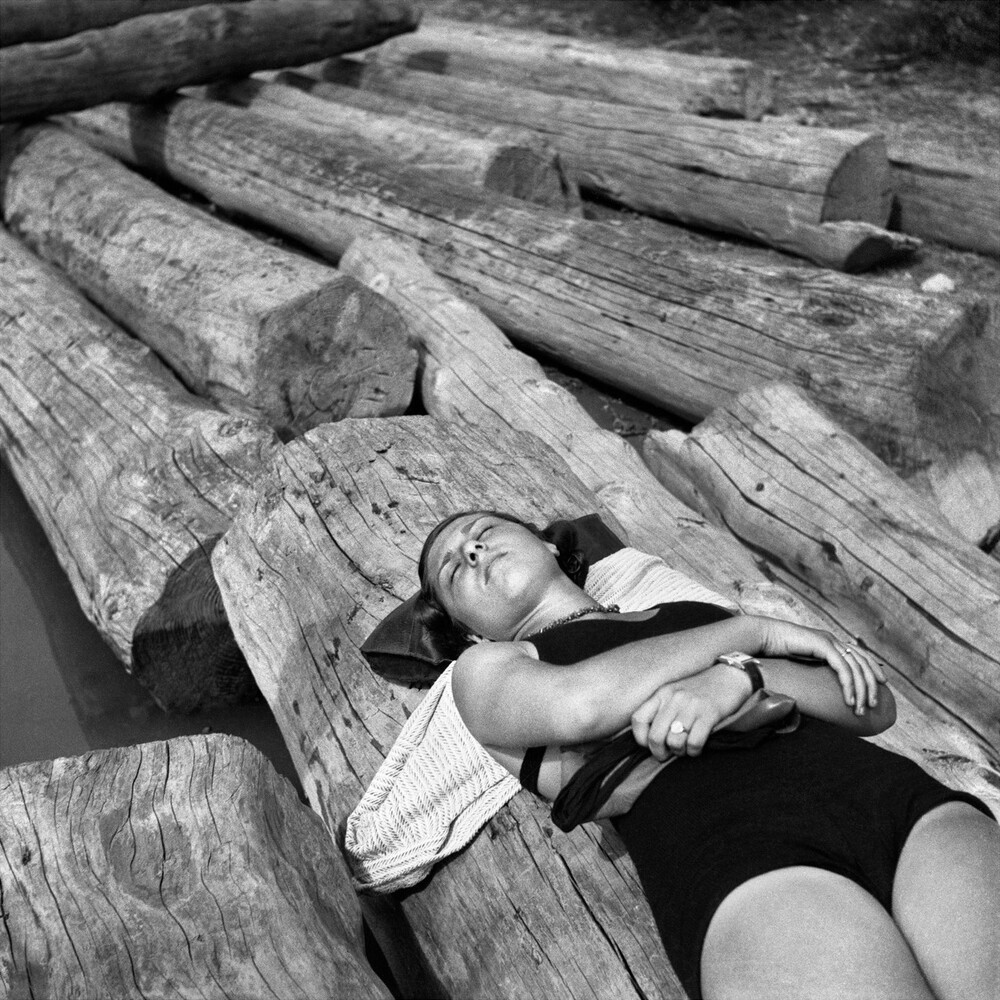
Jewish-born Nicolás Muller spent the years before World War II in his native Hungary. He was given his first camera at the age of thirteen and immediately began to explore its capacity to express a certain idea of the world. He maintained this passion for photography when studying law and politics at the Szeged University where he became friends with Gyula Ortutay, Miklós Radnóti and Fanni Gyarmati among others. During his four years at university, he would also explore the Hungarian plains and villages, whether on foot, by train or by bike, photographing children, scenes of rural life and the workers
building the dykes on the river Tisza.
Like many of his fellow Hungarian photographers at the time, in the 1930s Muller’s work was defined by a humanist and documentary approach, evincing a strong sense of sympathy for the world of labor and the most modest members of society. This interest would remain for the rest of his life and would underline the social character of his work. He was inspired by the progressive mindset of the avant-garde movement and its aesthetics, which is evident in his photographs’ diagonal perspectives and high- and low-angle shots.
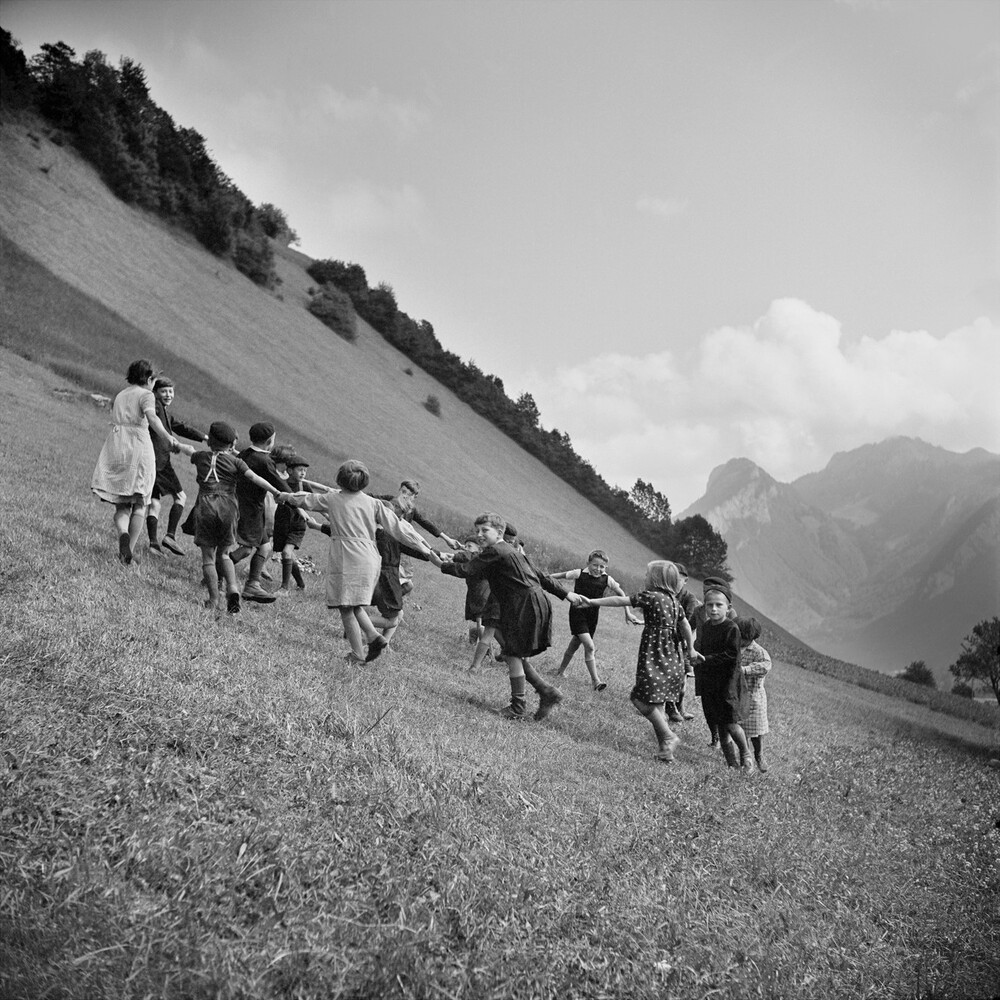
Nicolás Muller witnessed an era that left Europe scarred: he was faced with the horrors of Nazism at the very beginning of its brutality, and in his search for a free society, he visited many countries which were under the influence of Nazi barbarism, such as Austria, Italy, and France, or which were victims of internal conflicts and suffered from authoritarianism, such as Portugal and Spain. Eventually, he settled in Madrid in 1947.
After Muller fled to Paris, he photographed the city and life in the streets.
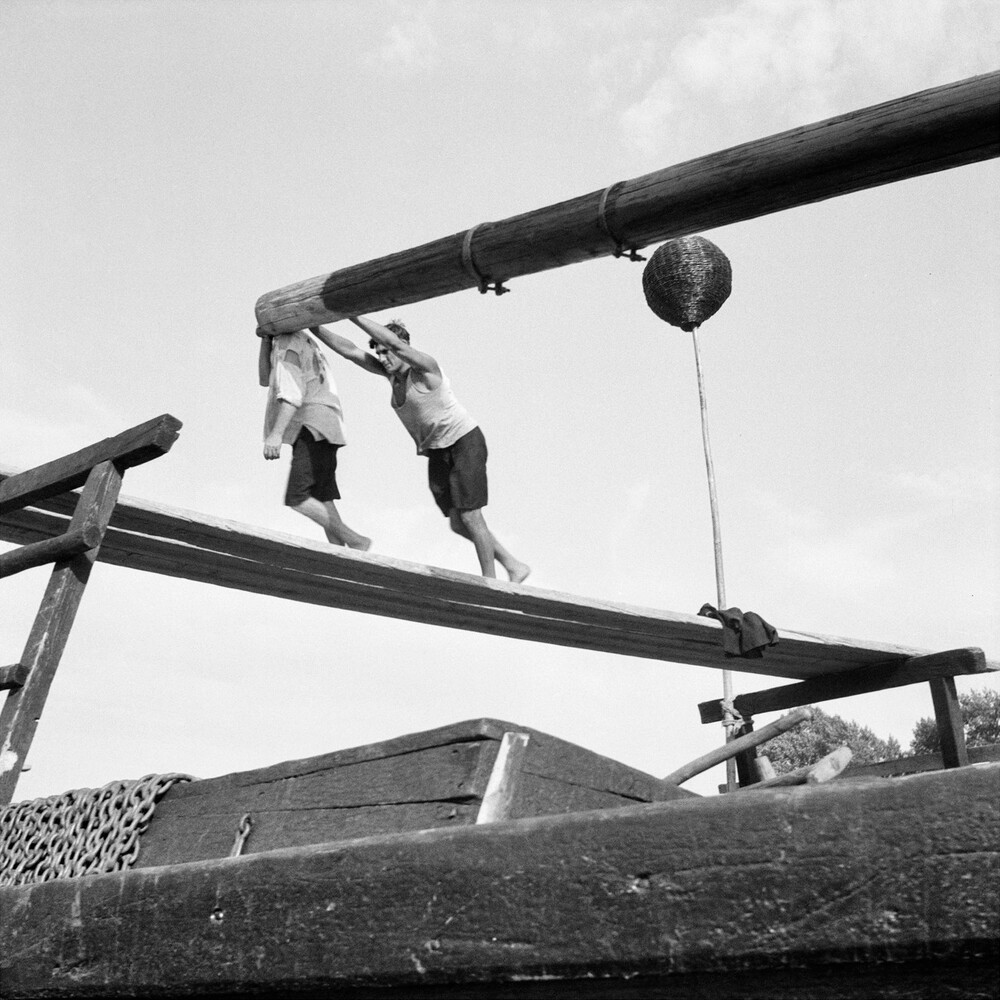
He was surrounded by people like André Kertész, Brassaï, Robert Capa and even Picasso, whom he met several times. Here he further developed his potential with commissions for magazines such as Regards and Paris Match. As the social and political contexts shifted, he photographed agricultural laborers and dockers in the ports of Marseille and Porto, then children and street vendors in Tangiers, and life in the countryside. Later, he photographed prominent cultural and social figures in Madrid.
Nicolás Muller always strived to create a selection of his best 100 photographs, but as it turned out later, many more photos deserve to be shown to the public.
In 2015, when Muller’s studio in Madrid closed for good, Nicolás Muller’s daughter Ana Muller, a photographer herself, came across a long-forgotten box with 3,000 negatives. Seeing the exceptional quality of the photographs, she decided to introduce some of the unpublished photos to interested audiences, while also taking the opportunity to make public some of the unpublished material held by the Regional Archive of the Autonomous Community of Madrid.
Several of the photographs shown in the Capa Center have been used to illustrate various publications which involved major modifications, but now these photos are also available in their original format. This exhibition gives an overview of Nicolás Muller, a representative of concerned photography, whose pictures were taken in half a dozen countries over three decades. In addition, it provides an opportunity to get a broader picture of Nicolás Muller’s work than we have known so far.
Nicolás Muller: The Committed Gaze
On view
June 16, 2022 – September 04, 2022
Tuesday–Friday: 2pm–7pm
Saturday–Sunday: 11am–7pm
Closed on Monday and on public holidays.
Robert Capa Contemporary Photography Center (8 Nagymező Street, 1065 Budapest)
Source: Press release


