Subscribe to our social channels to get the latest news about Hungary!


Baranya lies in the southwestern corner of Hungary, next to the Croatian border. Due to its geographical situation, it serves as a melting pot between Hungarian, Croatian, German and even Turkish culture. Let us see seven spots in this “Mediterranean” county that are certainly worth a visit.
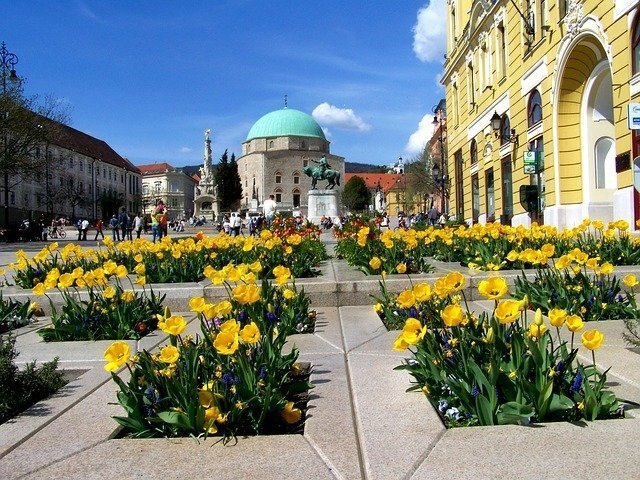
Of course, no county is complete without its county seat. Hungary’s 5th greatest city satisfies the needs of both tourists and the local people: history lovers may visit the Old Christian Tombs or the castle ruins, believers may attend a service at St. Peter and Paul Cathedral, animal friends may travel up to Pécs Zoo, culture fans may visit Zsolnay Quarter or attend a concert in Kodály Center, and those who long for a good beverage may take a sip of the city’s best beers in Egylet, Eozin or Korhely.

The historical city of Mohács is situated on the southernmost edge of Hungary, on the western bank of River Danube. Mohács was the venue of two decisive battles in Hungarian history: the first, in 1526, sealed the fate of South Hungary, and the second, in 1687, liberated the area from the Ottoman rule. Besides the memorial site and the fascinating mosque in the city center, the city is famous for the “busójárás” that takes place in February. This ancient Eastern European tradition includes people dressing up as devils and making a large pyre, thus scaring away the spirits of winter.

Villány is probably the richest area in Baranya, mostly due to its world-famous wine culture. It is most famous for the Villányi Kékfrankos, but once you pay a visit to the city, you may find a large variety of local wines ranging from Portugeiser through CabernSauvignonnon to Zweigelt, especially if you come during the time of the Wine Festival of Villány. And there is nothing more relaxing than enjoying the green panorama from one of the hilltops with a glass of delicious southern Hungarian wine.

Though most of Baranya’s territory is covered in mountains and hills, Siklós serves as an exception, lying in the western corner of the Great Plains. Siklós, as many of the southern cities, combines Christian and Muslim culture: you may either visit the Franciscan Gothic Monastery with the pottery workshop in it, or the Djami of Malckoch Bey. If you need some rest after the long historical guides, you may enjoy an afternoon bath in Siklós Spa.


