Subscribe to our social channels to get the latest news about Hungary!


Britain’s Queen Elizabeth II has died at the age of 96 on Thursday, 8 September. The Queen has only been to Hungary once during her reign. Despite that, she said she had always wanted to visit our country. In this article, we will tell you the story of Elizabeth’s visit to Hungary in 1993.
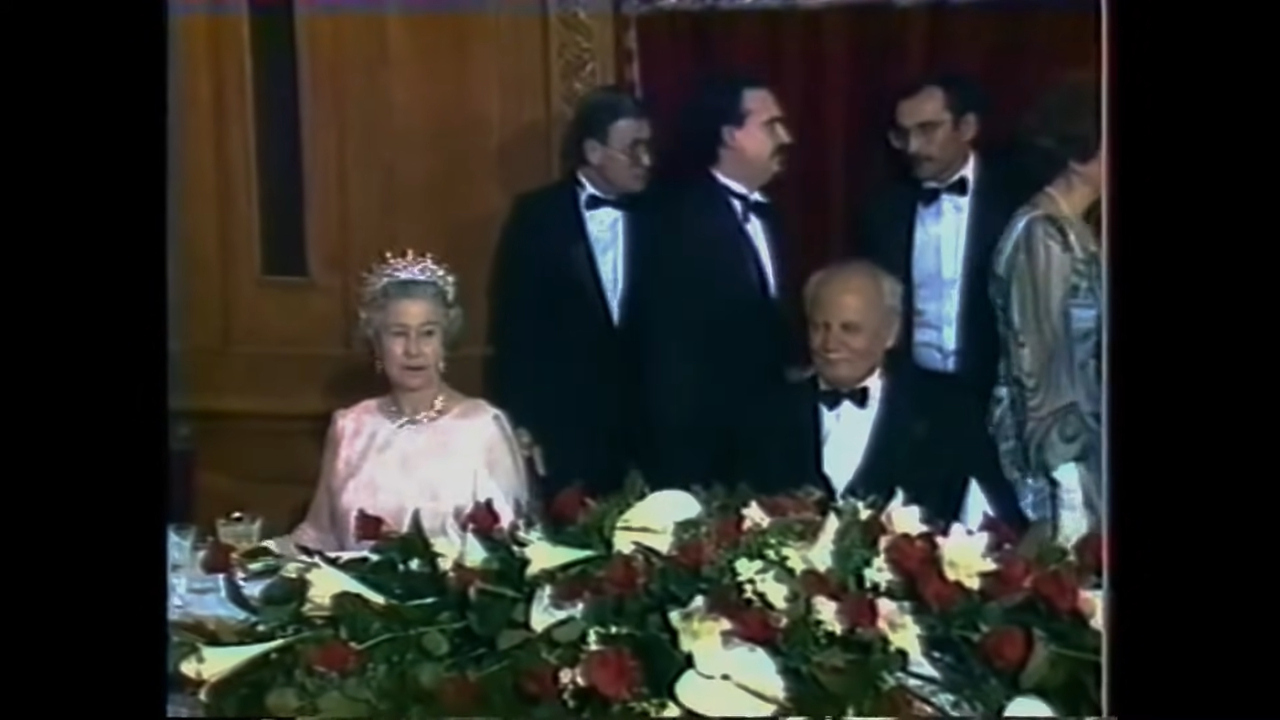
Queen Elizabeth II visited Hungary only once, in 1993, recalls 444.hu. The news programme of the public TV station at the time points out that the trip was special because she only undertook four such trips a year.
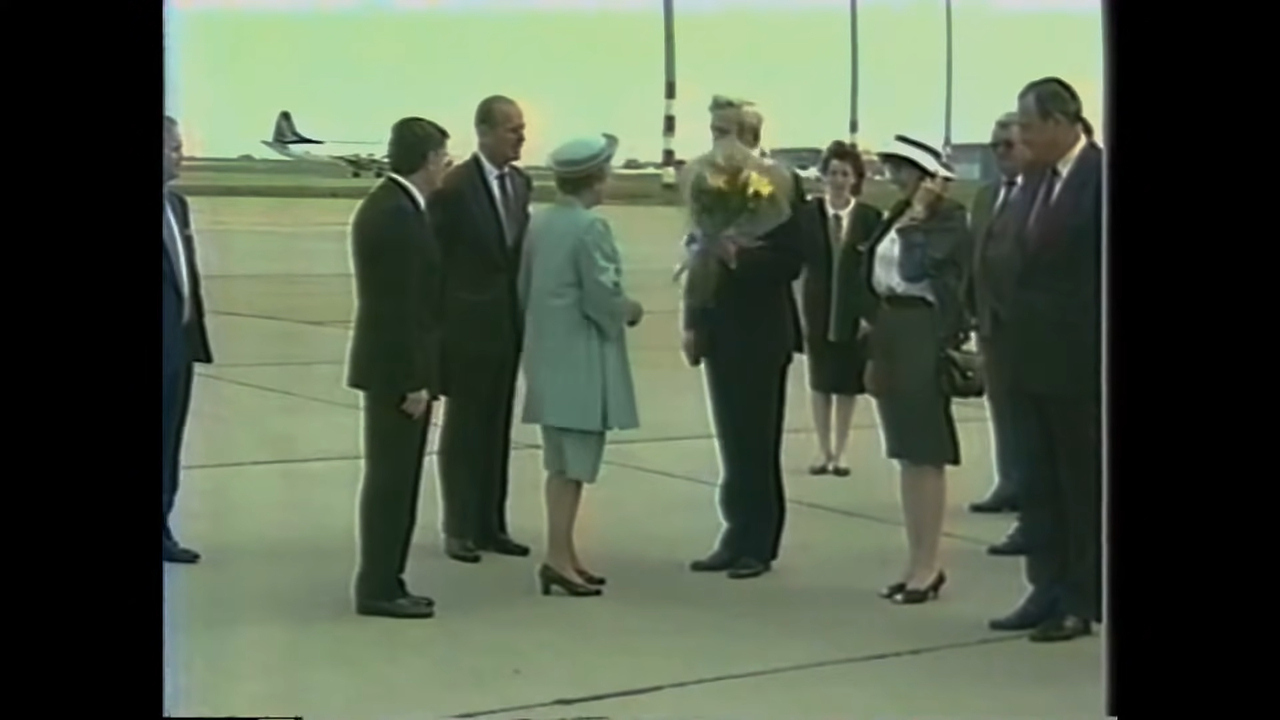
The Queen and her husband, Philip, had a tight four-day schedule. After being greeted by the then-Foreign Minister Géza Jeszenszky and then-President Árpád Göncz, they had the following programme:
“I have always wanted to come to Hungary, so it is a special moment for me to be here in Budapest,” the Queen said at the dinner.
The Queen was not bored before her second speech either. She went to Bugac, where she was hosted by the Bács-Kiskun County Municipality and Bugac Tours, who treated her to a white table wine and scones. There, she was also treated to a show “put together by the Kalocsa Children’s Troupe, based on old wedding customs”.
Then, still in Bugac, she received a “naive painting”, a canteen and a “folk carving”. Then she was given lunch: a starter of cold roast duck and goose, followed by goulash soup, roast ox, home-made cakes and fruit, and good Hungarian wines. These were spent with prominent representatives of Hungarian equestrian life. From there, they went by carriage to the wilderness, where they saw grey cattle and a horse parade. Philip was a great friend of Hungarian horsemen.
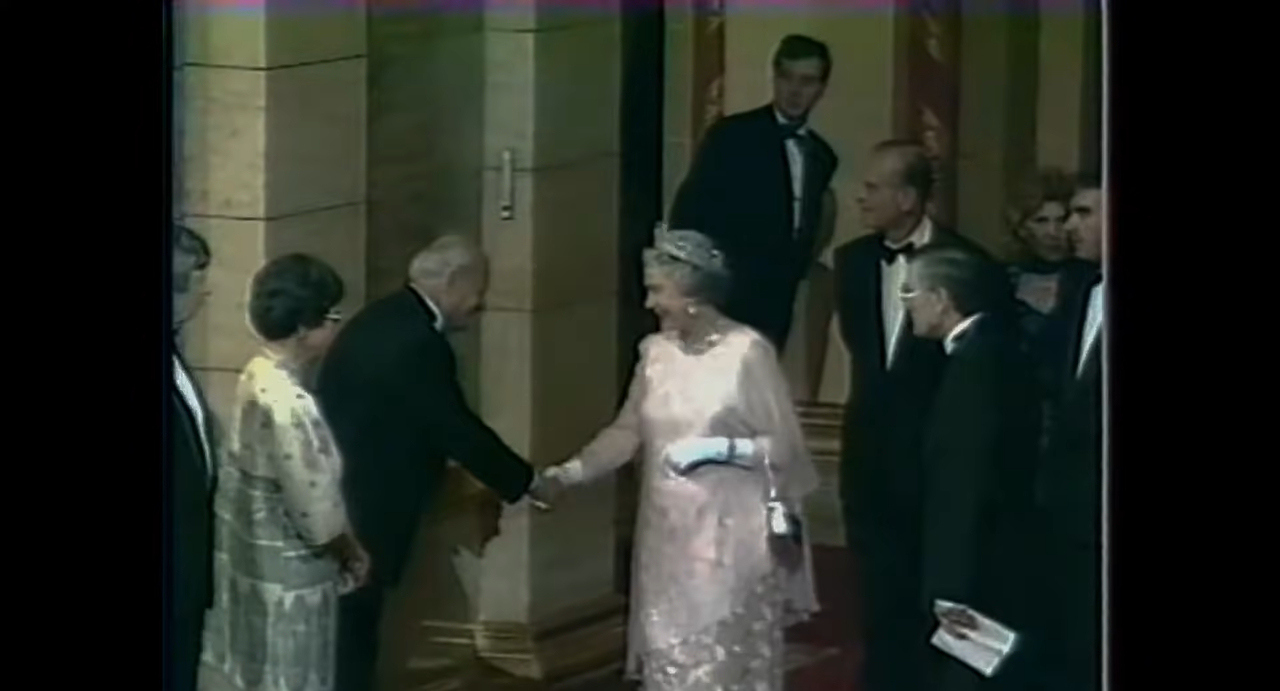
Finally came the second speech in the Parliament. The British press highlighted from Elizabeth’s “unusually strong” speech that she welcomed Hungary’s plans to join the European Community and that she understood the concerns about the fate of Hungarians beyond the border.
“You have the right to reclaim your place in the mainstream of European history and culture,” she said.
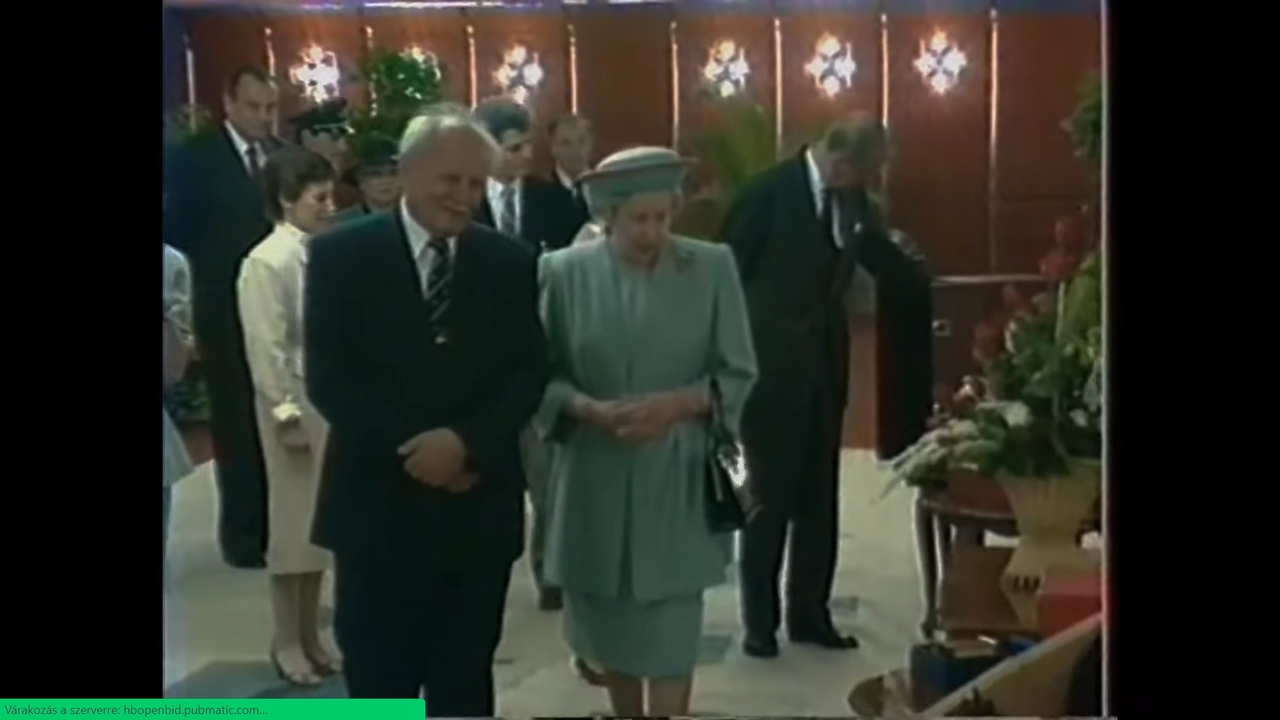
On their last day in Hungary, the royal couple bid farewell to Árpád Göncz at the Béla Road guesthouse, and then went to Heroes’ Square. They visited the Henry Moore exhibition at the Museum of Fine Arts. From Jászai Mari Square, they strolled down to the Vigadó, after which they took a short walk downtown in the Gerbeaud district.
There, Mayor Gábor Demszky “greeted the Queen with words”, introduced his deputies and handed over the keys to Budapest. They also dropped in at the British Embassy, as is customary on royal trips. At half past noon, their plane left Budapest Airport.
Below, you may watch the video about the Queen’s 1993 visit to Hungary.
Source: 444.hu, 24.hu, YouTube, DNH


