Subscribe to our social channels to get the latest news about Hungary!


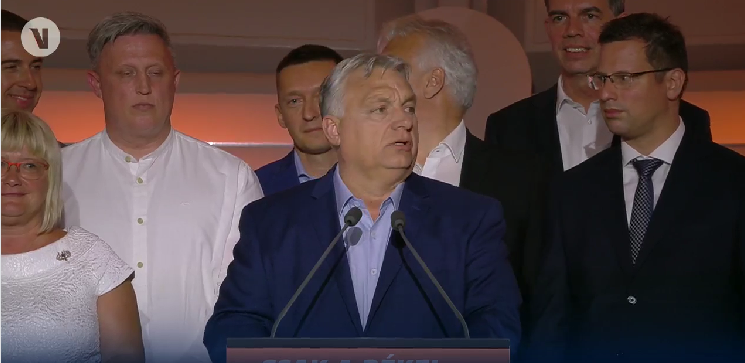
Sunday’s municipal and EP elections in Hungary saw a record-high turnout of 58 percent. It was also a historic event as never before have European and local elections been held on the same day in the country. Fidesz came out as the absolute winner, but the Tisza Party has entered the political arena, reshuffling the balance of power amongst the opposition. Here is a round-up of the takeaways from the elections.
After an all-night tight race, Gergely Karácsony, the candidate of DK-MSZP-Dialogue and Momentum, won the mayoral election, despite his challenger, Dávid Vitézy, leading for the majority of the evening. Karácsony won by a margin of only 324 votes and the number of invalid votes was relatively high. Therefore, as reported by DNH, Vitézy called for a recount of the ballots.
Although several press outlets have underlined that a recount may be carried out under Hungarian law only if a specific violation is reported – a small margin is therefore not in itself a reason for a recount -, Péter Ungár of LMP also spoke of a recount today in the Parliament, according to 444.
As we wrote today, Vitézy calls for a recount, details HERE.

Another precarious situation regarding the capital stems from the makeup of its Assembly, in which the number of representatives will be distributed this autumn as follows:
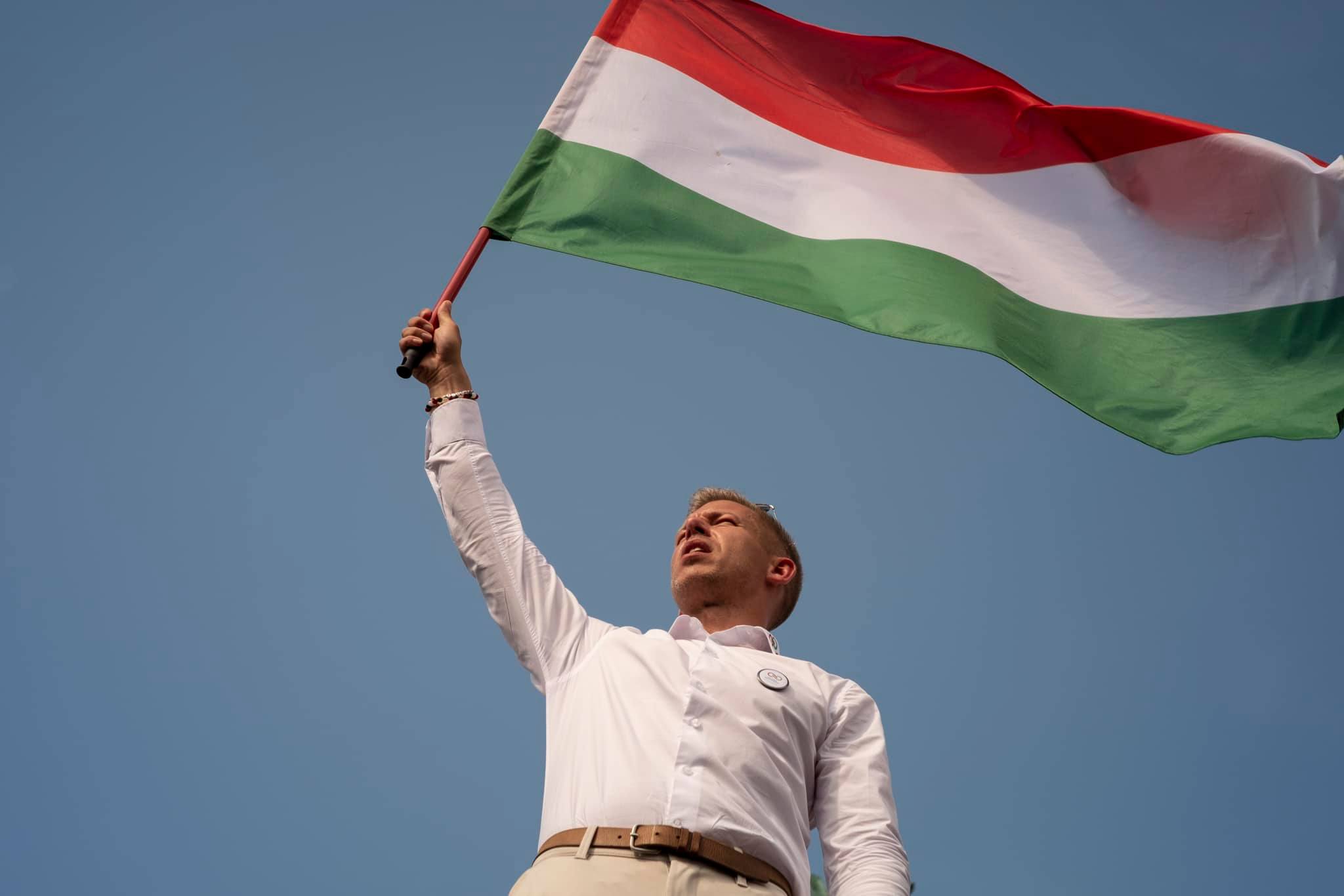
Péter Magyar and Dávid Vitézy (if the number of votes for mayor does not change) have also been elected to the Assembly.
In such a diverse formation, it will be a matter of uncertainty about what kind of coalition the next mayor can build, as no political force will be able to govern independently. To get a majority, at least 17 politicians will need to join forces, and at the moment this could be done in several ways, all of which would require a great deal of tactical maneuvering.
444 points out that the situation is complicated by the fact that Péter Magyar does not wish to formally cooperate with any of the mayoral candidates. For Karácsony – who presumably will not enter into a coalition with Fidesz -, on the other hand, the 10 Tisza Party representatives would be indispensable allies. In the case of Vitézy, cooperation with Fidesz might be conceivable, but for Fidesz-KDNP, a partnership with opposition parties is likely out of the question, meaning that reaching the magic number of 17 could be difficult for him, as well.

The great loser of the local elections is Momentum, which, although securing three mayoral positions in Budapest, cannot send a single member to the capital’s assembly. Largely due to the reform of the electoral system in Budapest, adopted by the Fidesz parliamentary majority six months before the elections, which made it so that mayors are no longer automatically members of the assembly.
On Monday, Anna Donáth announced that she would step down as Momentum’s leader following the defeat of the party.
Political analyst Gábor Török wrote that the municipal election results are very similar to those of 2019, even if a few cities have changed hands. By and large, Sunday was a success for Fidesz, but the picture is not so simple. As Telex reports, more than 20 municipalities have replaced Fidesz mayors, many ousted after being in power for decades.