Handy guide to the most important Hungarian holidays and folk customs connected to the autumn season

Change language:
There are quite a number of Hungarian holidays and folk customs during the autumn, each steeped in rich history and cultural significance. Among these, the commemoration of the Martyrs of Arad on 6 October stands out, alongside other important observances like the anniversary of the 1956 Revolution and All Saints’ Day, all reflecting the enduring spirit and traditions of Hungary.
6 October
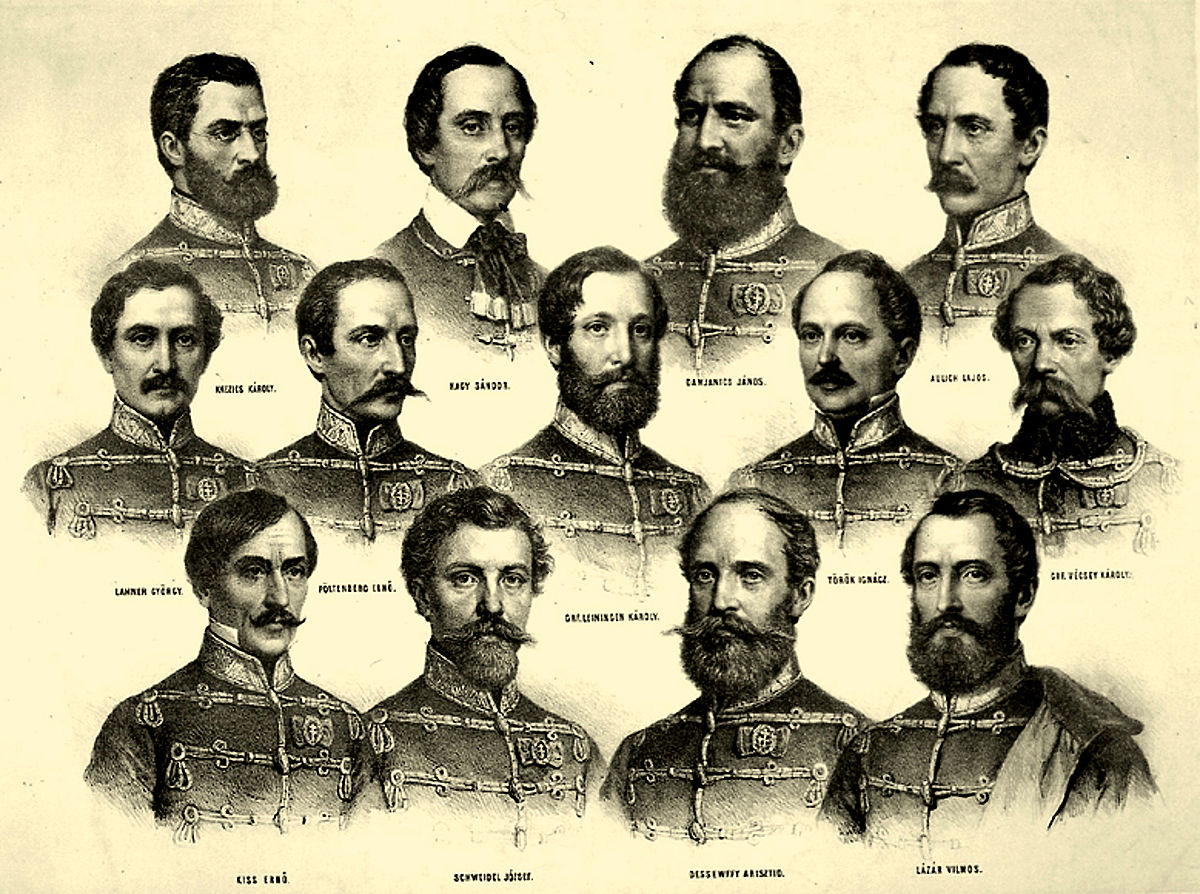
The Martyrs of Arad, also known as the Arad Thirteen, were thirteen Hungarian officers executed on 6 October 1849 for their involvement in the 1848-49 Hungarian Revolution and War of Independence. On the same day, Hungary‘s first prime minister, Lajos Batthyány, was executed in Pest. Hungarians remember the heroes each year through heartwrenching shows/plays.
23 October
On 23 October, Hungarians celebrate the anniversary of the 1956 Hungarian Revolution, a key event in the nation’s fight for freedom from Soviet control. This national holiday honours the brave citizens who rose up against Soviet oppression and demanded political reforms and independence. Despite the revolution being ultimately crushed, this Hungarian holiday remains a symbol of national pride and the Hungarian spirit of resistance.
1 November
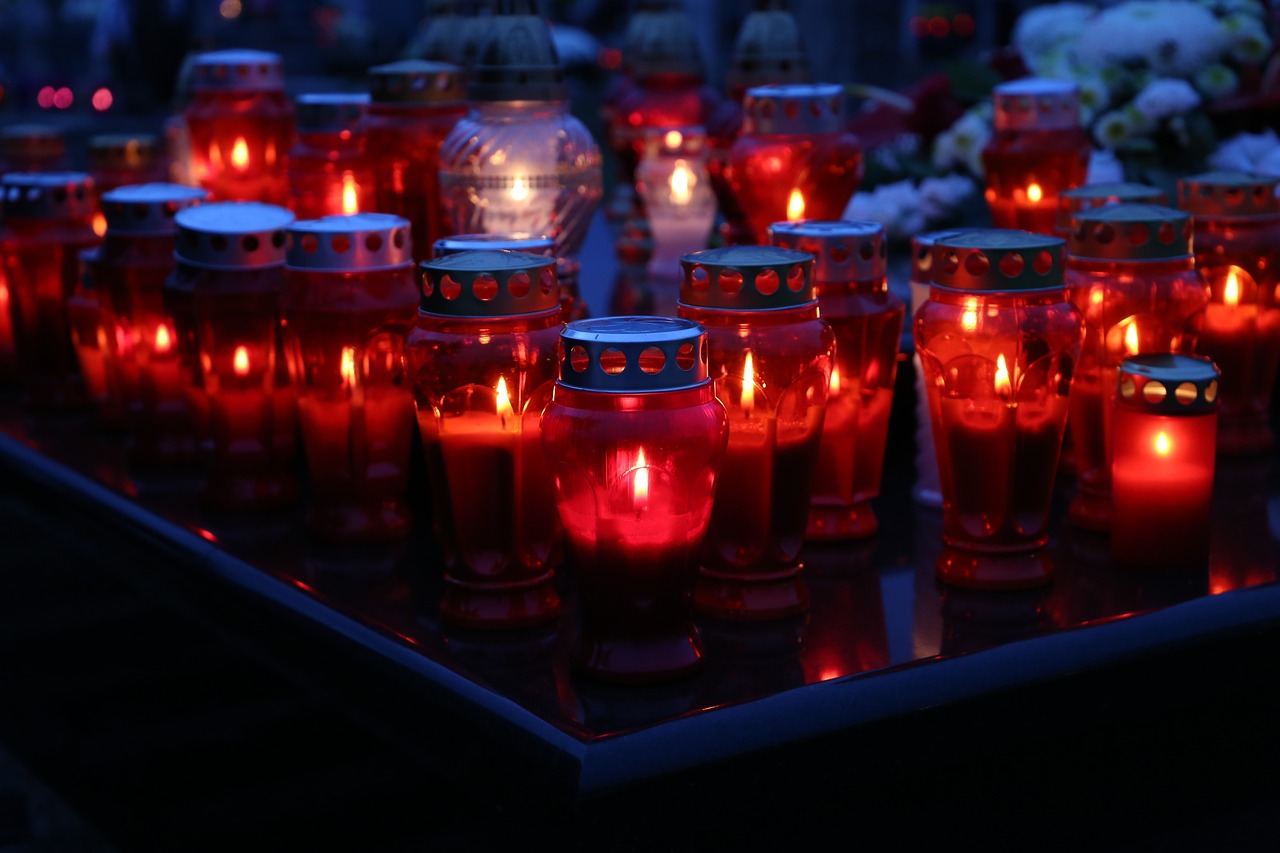
On 1 November, Hungarians observe All Saints’ Day, a significant Hungarian holiday dedicated to remembering and honouring deceased loved ones. This day, rooted in Christian tradition, sees families visiting cemeteries to clean and decorate graves with flowers and candles, symbolising respect and remembrance. It is a solemn occasion where people reflect on the lives of the departed and keep their memories alive, making it a deeply important cultural and spiritual event in Hungary.