


Budapest’s leadership in the Orbán cabinet’s trap after buying Rákosrendező and baulking the Mini Dubai project?

Change language:
Dávid Vitézy, a former Fidesz-backed mayoral candidate and leader of the Podmaniczky Movement, believes that Budapest would be able to buy Rákosrendező from the state by using MOHU money. MOHU says Vitézy is wrong. Meanwhile, Mayor Krisztina Baranyi said the Hungarian government would not carry out the infrastructure developments they promised for the UAE investor, including the extension of the M1 metro line, overpass building, and railway development. Therefore, Budapest will pay for years for the acquisition, but the capital will not be able to develop the territory.
Mayor Baranyi talks about a possible trap
Baranyi says it was a political success that the leadership of Budapest exercised its pre-emption rights and would buy Rákosrendező instead of giving the UAE investors a free hand to build anything they would like there, including even 500-metre-high skyscrapers. However, she said Budapest’s leadership would find it difficult to reach an agreement with the Orbán cabinet, which promised inevitable developments on the polluted territory to make it acceptable for a grand housing development like Mayor Karácsony’s Park City Project.
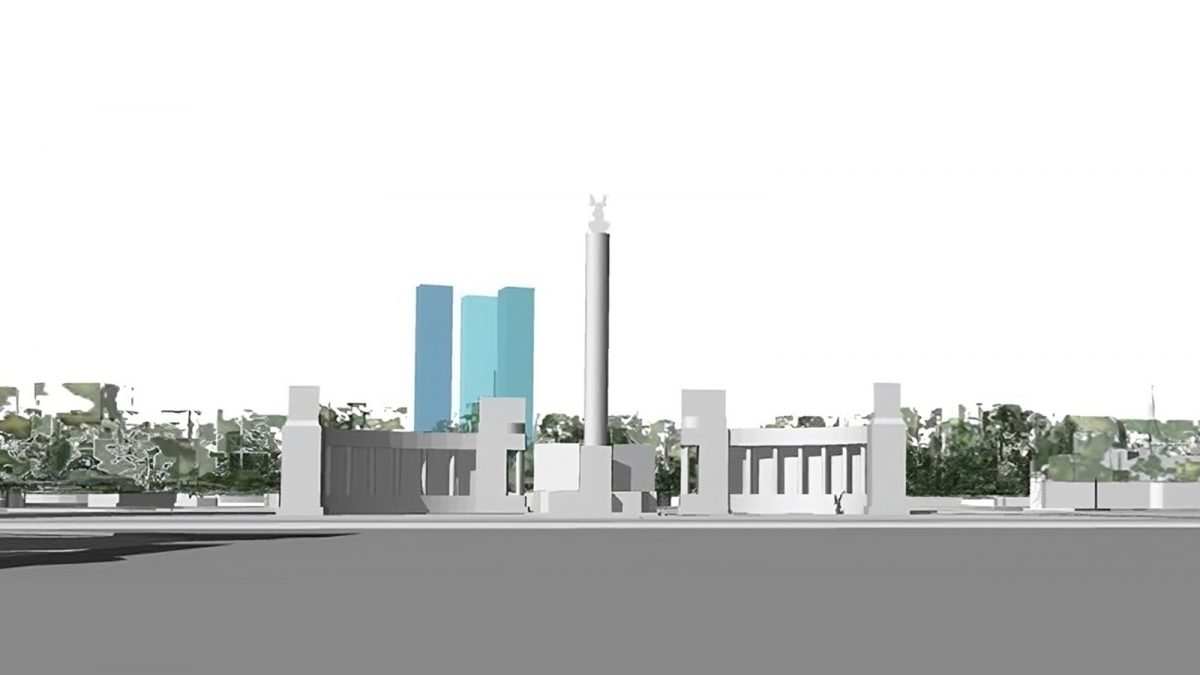
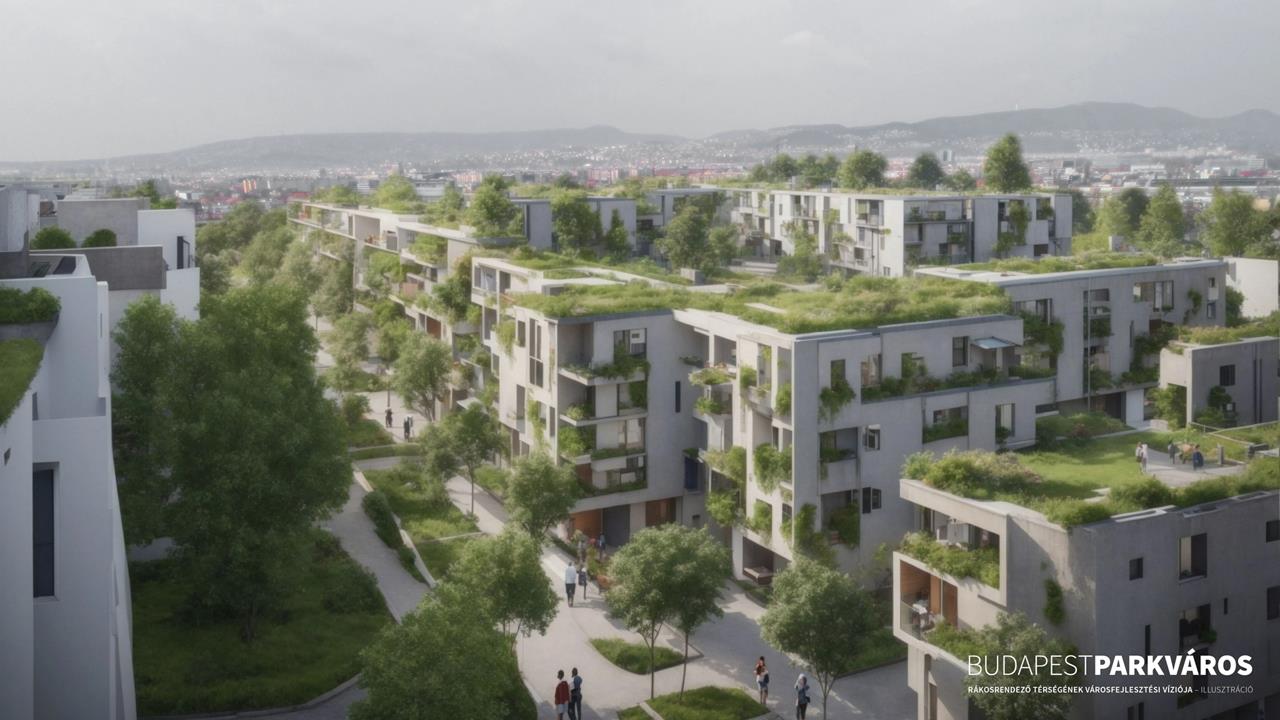
Baranyi says that without such an agreement, it would be impossible for Budapest to develop the territory, and the leadership would only have to pay back its purchase price while distracting that money from other, presumably more important developments.
Private investors should be involved
Baranyi argued that private investors should be involved in the project, but without cleaning the area and carrying out the necessary infrastructure developments, there would be no companies which would invest their money there due to the high costs. Therefore, they would start construction projects not favourable for the residents to realise profits.
The cleaning and development of the area should be carried out with the involvement of private investors, but in such a way that the land remains in the ownership of the capital as much as possible, meaning that the investors only have ownership of new buildings, Dávid Vitézy, the leader of the Podmaniczky Movement group in the Budapest assembly, said in an interview with news portal Index.
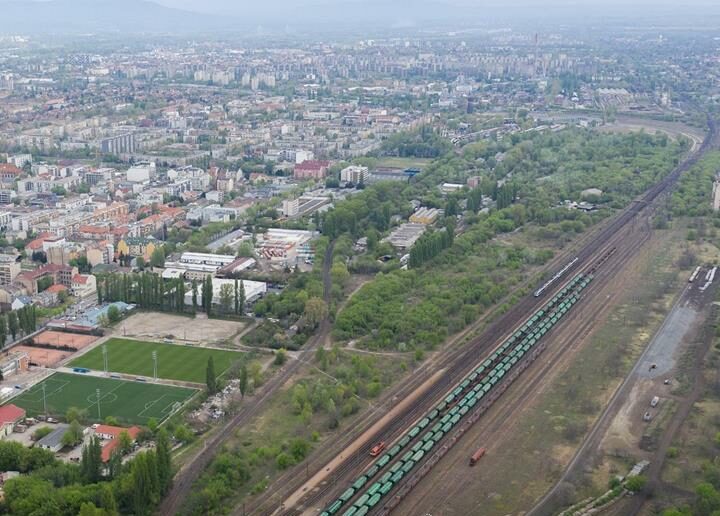
Funds from MOHU, a unit of Hungarian oil and gas company MOL that has a nationwide municipal waste management concession, are allowing Budapest Közművek Nonprofit (BKM), a company owned by the Budapest municipality, to purchase the Rákosrendező brownfield area, he added.
Vitézy said in the interview that BKM has funds from the revenue of the waste management concession as “there was a one-time income from the transfer of a waste recycling plant, which was 33 billion forints, which the city can use for this” purchase, he said. Vitézy noted that the 33 billion forints (EUR 81.4m) would be enough to pay the first two instalments for the area’s purchase price, a combined 30.5 billion forints, but the third instalment, some 20.9 billion forints, would have to be provided by the city by 2039.
Problems with paying the purchase price
In response to the interview, MOHU issued a statement on Saturday saying that Vitezy was inaccurate and that city council will “definitely not buy the Rákosrendező area from the waste management revenues”. The company noted that MOHU had paid 39 billion forints to BKM for a 50 percent stake in MOHU Budapest and its operation, however out of this amount 17 billion forints can only be spent by BKM on the development of the jointly owned MOHU Budapest.