Subscribe to our social channels to get the latest news about Hungary!


Hungary has recently become a critical player in the European Union’s sanctions policy. The Hungarian government has threatened not to support the extension of EU sanctions against Russia unless the name of Russian oligarch Mikhail Fridman is removed from the list of restrictions. The European Union’s sanctions target politicians and businessmen accused of directly or indirectly supporting Russia’s war against Ukraine.
The renewal of sanctions every six months requires the agreement of all 27 EU member states. According to Financial Times, Hungary’s ambassador has indicated that the government is only willing to sign the extension if Fridman’s name is removed from the list. Luxembourg backed the Hungarian position, while other member states, particularly the Baltic states, strongly opposed any easing of measures against Russia.
Mikhail Fridman was born in Ukraine and has maintained close ties with the country, even in his business activities. As the founder of Alfa Bank, he amassed considerable wealth in Russia, but his interests also included a number of Ukrainian companies, such as the Kyiv Star mobile phone operator and various mineral water bottling companies. He also supported cultural and charity projects in Ukraine, such as the Lviv Jazz Festival and the Babiy Yar Holocaust Memorial.
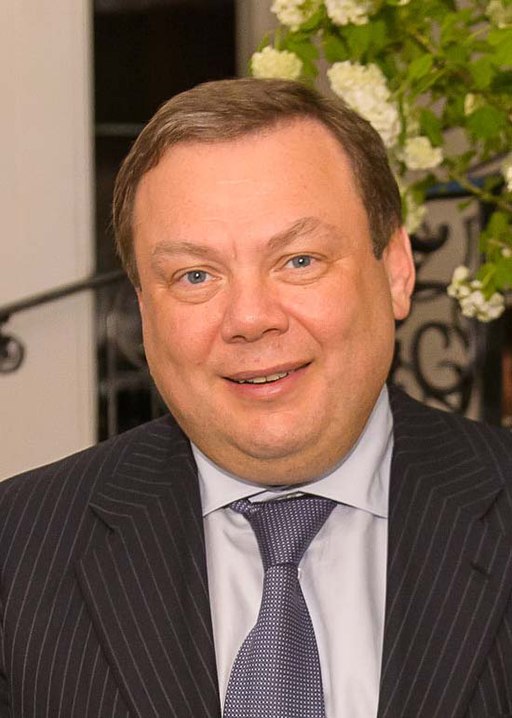
Although Fridman was one of the Russian businessmen who were cautious but critical of the war, his business interests made him a target. He also negotiated with the Ukrainian government in order to avoid nationalisation of his Ukrainian bank and remove himself from the British sanctions list. However, information about his business, in particular the fact that his Russian companies had contractual links with the Russian military and security services, eventually made an agreement impossible.
As Euronews reported, the negotiations led to days of deadlock as Hungary stuck to its position. There was a fierce debate among EU member states on whether sanctions against Russian oligarchs were justified and how tough a sanctions policy should be pursued against Russia.


Ask yourself why Hungary obstructs the will of the entire EU to look after the interests of a Russian oligarch.
How much more evidence do we need to accept the fact that our goverment works for Russia.
Good to know you PM is on the list of Russian assets, and not making any efforts to denay it.