Grim prediction for the forint exchange rate: US elections had a positive effect, but it won’t last

Change language:
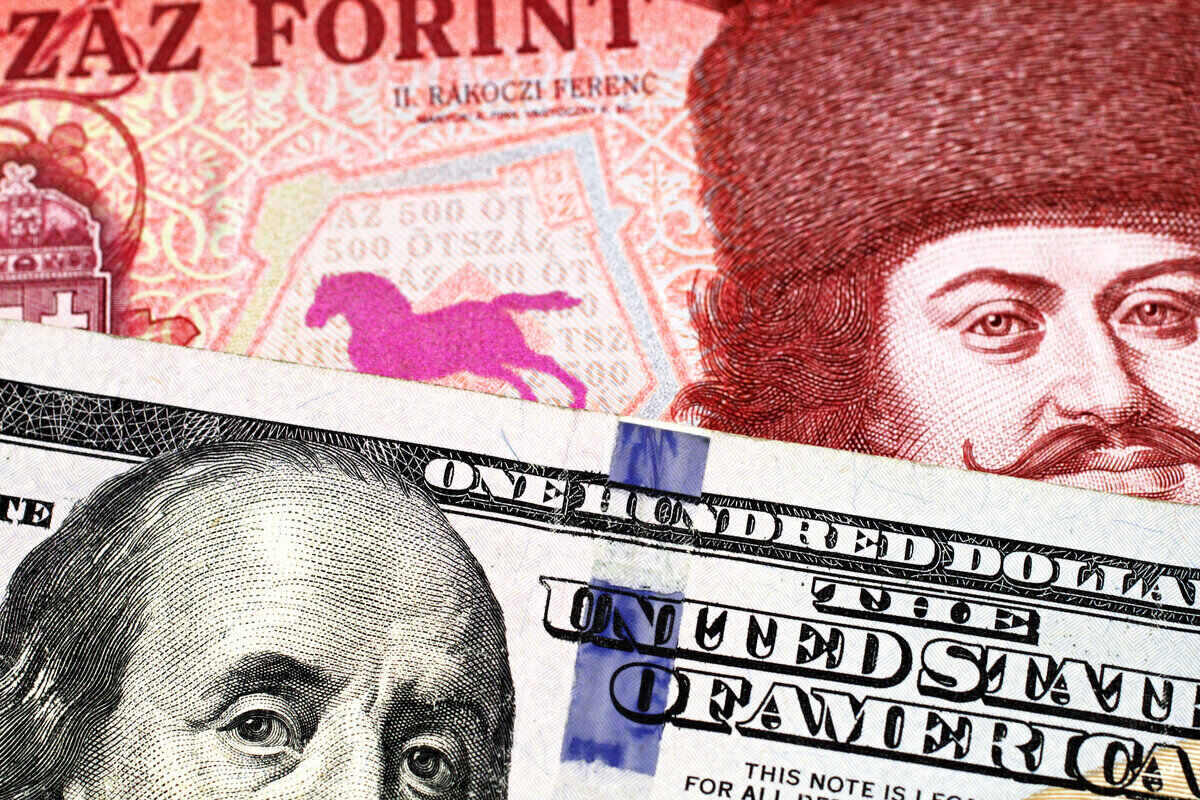
The forint may have gained strength after the US elections, but analysts warn this boost won’t last. With inflation, global uncertainty, and shifting economic policies in play, Hungary’s currency faces a turbulent road ahead.
Strengthening forint
Telex writes that according to Erste macro analysts Orsolya Nyeste and János Nagy, rising inflation, reaching 5.6% in February, has reassured investors that the new leadership at the National Bank of Hungary (MNB) will prioritise stability over aggressive rate cuts. Meanwhile, higher inflation has unexpectedly supported public debt management, as many Hungarians opted to keep their savings in inflation-linked bonds. On a global scale, increased US demand for European goods has bolstered the euro, indirectly strengthening the forint. Notably, the forint has appreciated against both the dollar and the euro in early 2024, reflecting these shifting economic dynamics.
Economic recovery
Hungary’s economy is expected to grow by 2% in 2025, with inflation averaging 5.5%, followed by a 3.6% expansion and inflation dropping to 3.8% in 2026. Despite recent gains, the forint’s strength may be short-lived, with analysts predicting it could weaken to 415 against the euro by the end of 2024 and 420 by 2026. Economic recovery is driven by a rebound in household consumption, which is soon supported by industrial growth. However, confidence remains low, with both consumers and businesses still cautious. If investment picks up, as expected next year, the forint and the broader economy could see more stability.