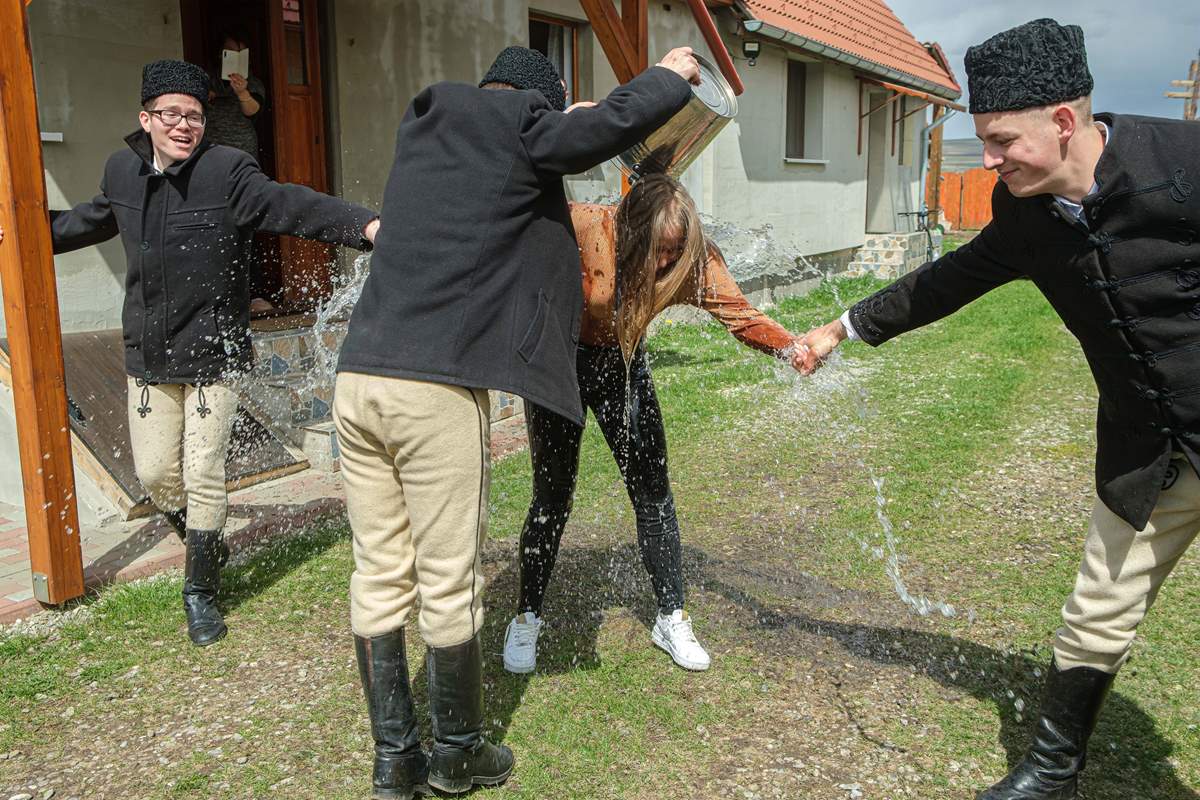
New, exciting theory traces back the origins of the Hungarian-speaking Szeklers to Mongolia

Change language:
Over the decades, multiple theories have emerged regarding the origins of the Hungarian people. While there is general agreement that their ancestors began their journey from the East, the precise starting point remains a topic of debate. A new theory emerged about the origins of the Hungarian-speaking Szeklers, who live now in Central Romania.
The most widely accepted theory suggests that the Hungarians underwent an extended period of migration before arriving in the Carpathian Basin, splitting into several distinct groups along the way. As early as the Middle Ages, 13th-century traveler Friar Julianus sparked discussions about the ancestral homeland of the Hungarians. Other sources, however, propose that the Hungarian people may have been divided into three major groups, with ancestors not only in the Ural region and the Caucasus, but also in present-day Mongolia, according to a report by Promotions.
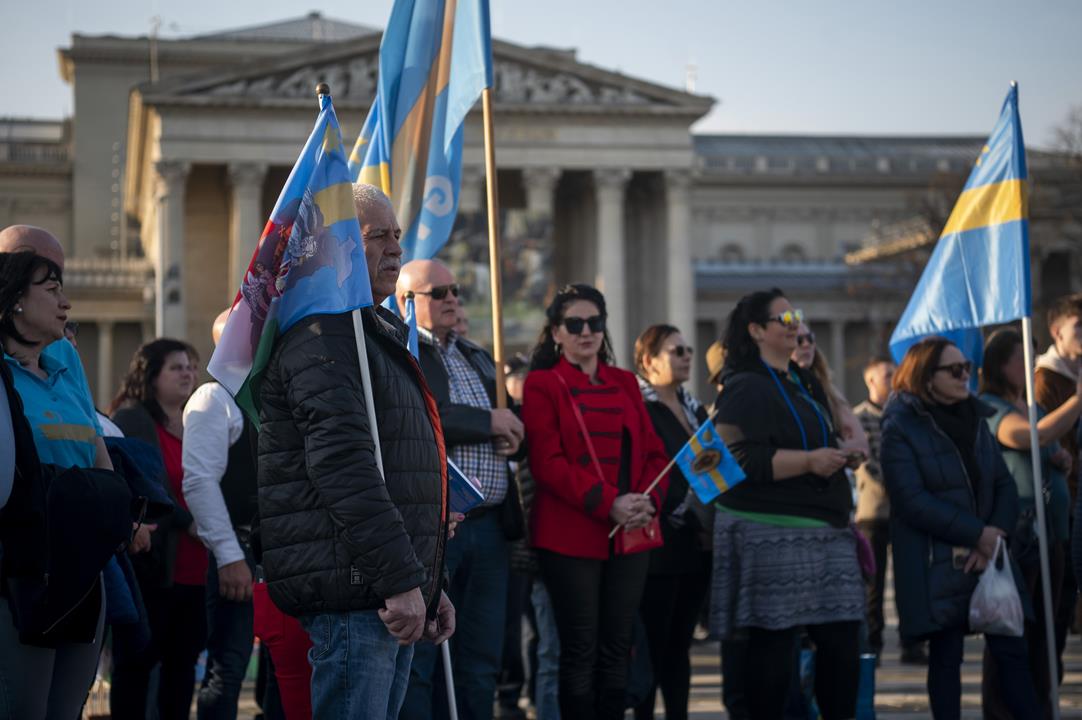
Aydemir Hakan, a linguist, Turkologist, and Altaic studies scholar who heads a department at a Turkish university, said in an interview that Hungarian origin research has so far relied primarily on Muslim sources, despite Chinese chronicles also containing valuable information. Among them is the theory that the ancestors of the Szeklers may have originated from the region of the Tola River in northern Mongolia. According to naming customs of the time, their name likely referred to distinctive traits of their horses—hence the so-called “tribe with white-hoofed horses,” known as the sekel, from which the modern name “Szekler” is believed to have evolved, writes Krónika Online.