EU funds, lawsuits, and a geopolitical gamble: Why PM Viktor Orbán’s ‘sovereignty’ could cost Hungary more than money

Change language:
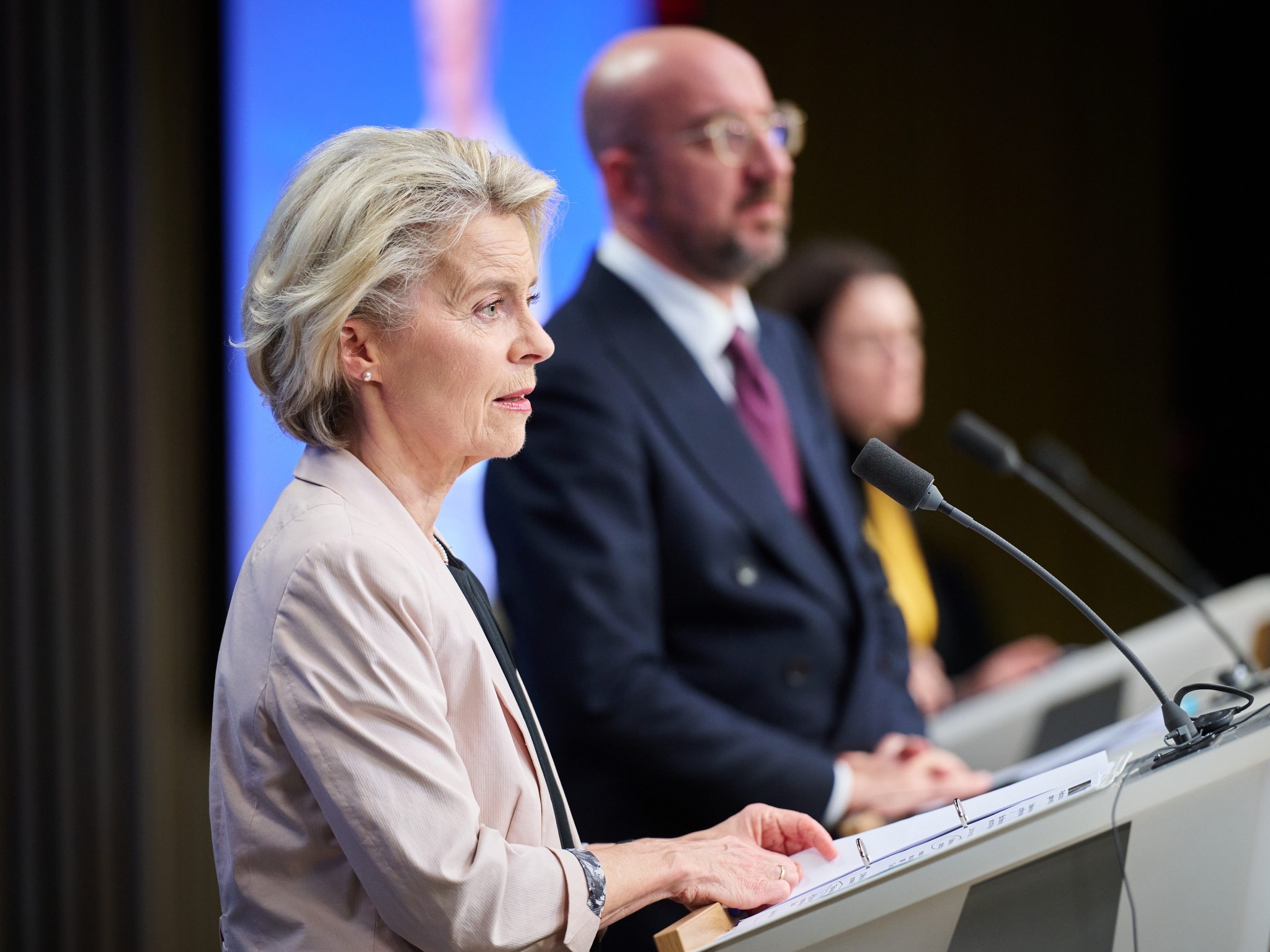
At a time when Europe needs unity, the relationship between the EU and Viktor Orbán’s Hungarian government has reached a historic low. In the shadow of the Russia-Ukraine war, EU countries are increasingly realising that support for Ukraine is not just a moral issue, but also an existential one. For many governments, taking decisive action against Russian aggression is also in their own national security interests. This close European cooperation is being spectacularly undermined by the policy of the Hungarian government.
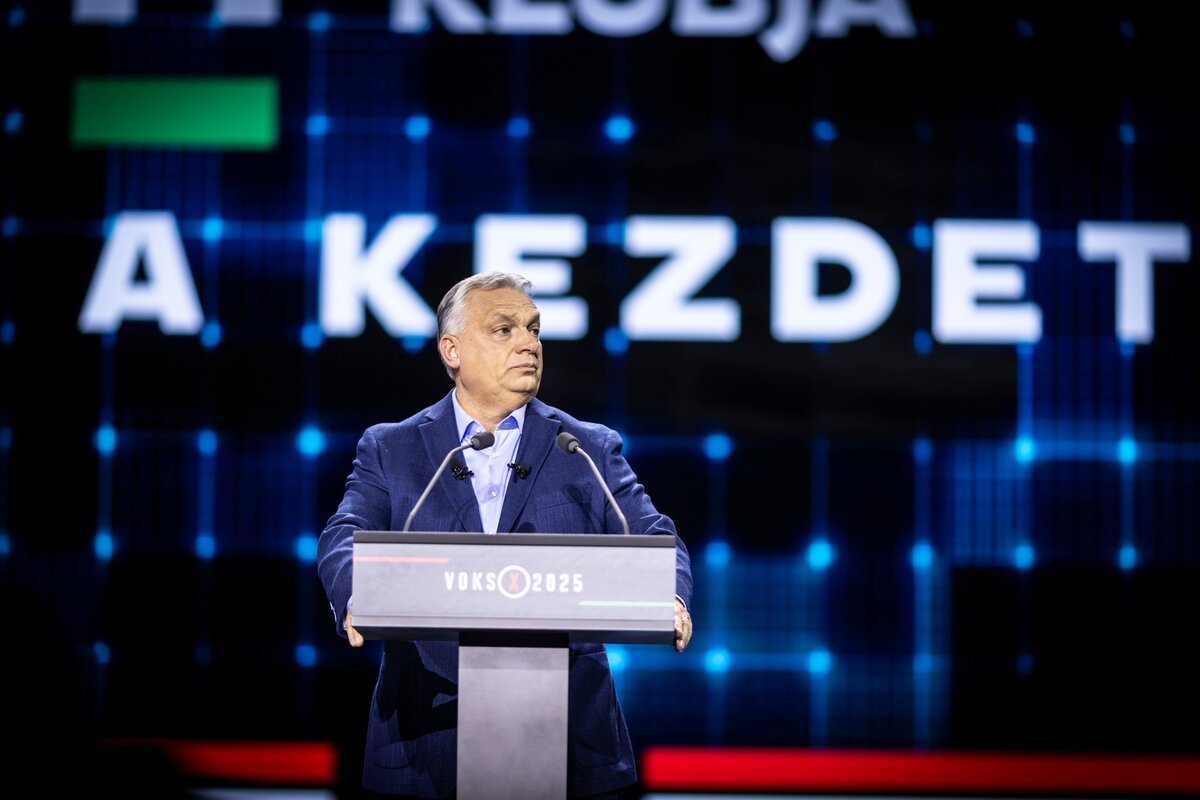
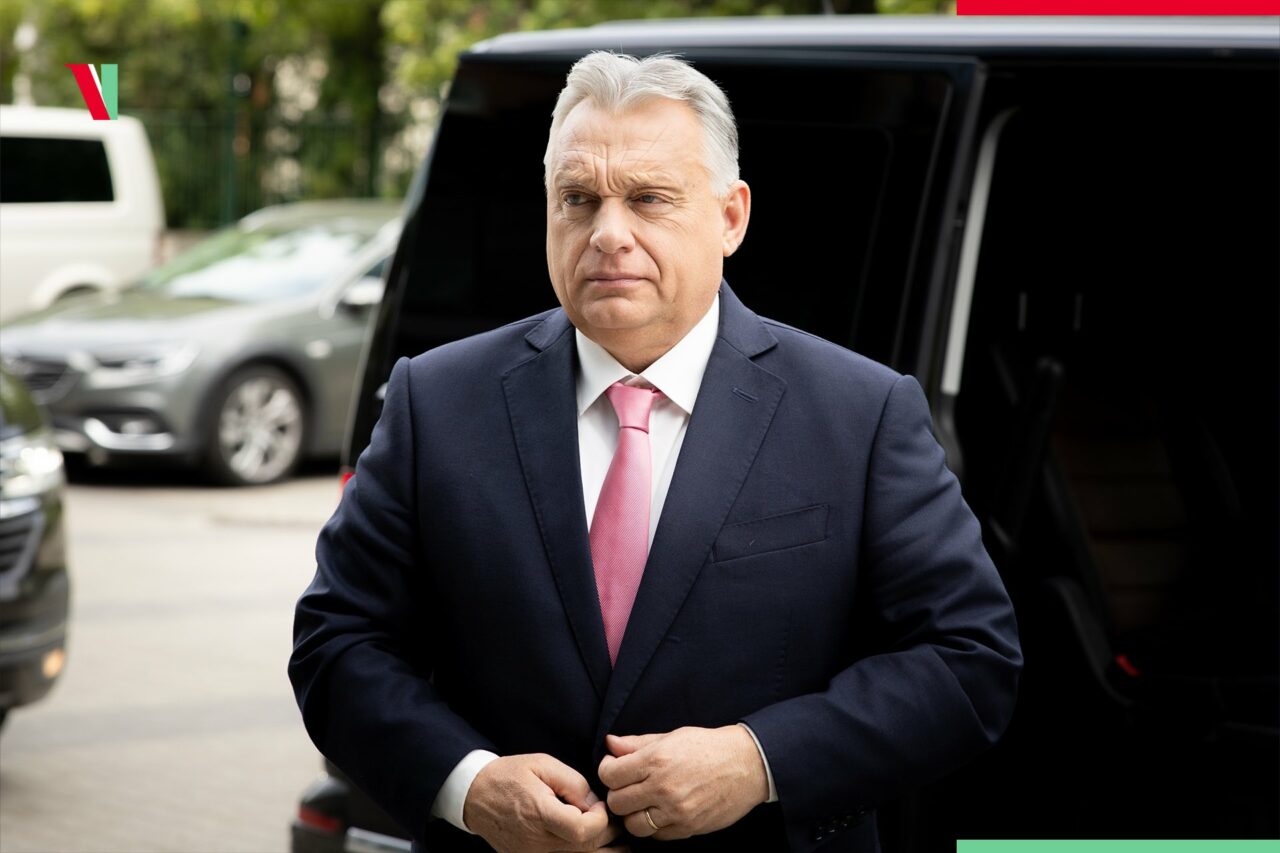
Hungarian Prime Minister Viktor Orbán is moving in the opposite direction: while EU member states are increasing military aid to Ukraine, the Hungarian government is stepping up anti-Ukrainian rhetoric and placing diplomatic obstacles in Brussels’ way. This strategy is not only fuelling political disputes but also has serious financial consequences for Hungary.
The return of United States President Donald Trump and the volatility of US policy towards Ukraine mean that EU member states cannot afford to leave Kyiv defenceless by withholding aid. While the future of American assistance is uncertain, European countries—together with the UK, Norway, and Canada—are increasing their support for Ukrainian forces.
Orbán’s decision: “National pride” instead of Brussels money
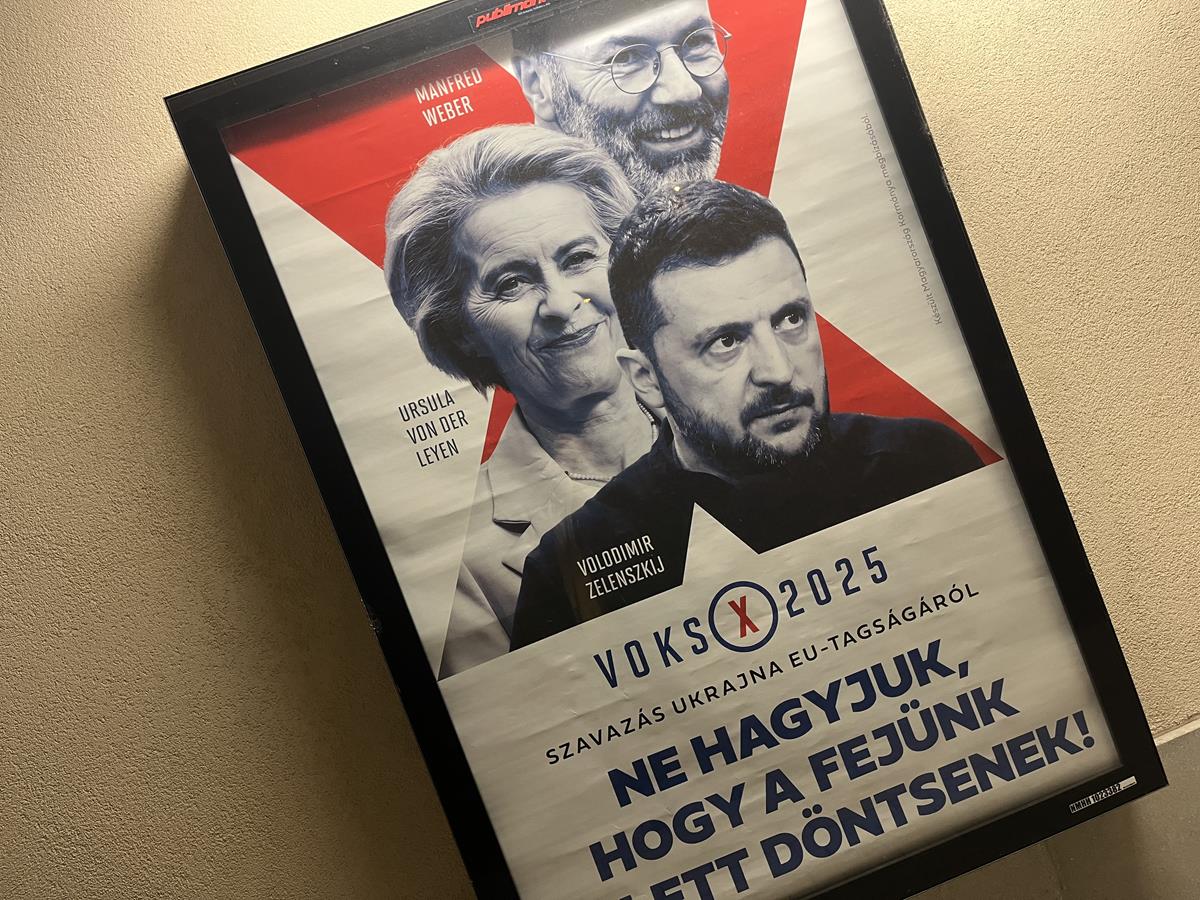
According to Válasz Online, the Hungarian government has also intensified anti-Ukrainian sentiment domestically. PM Viktor Orbán’s strategy is reminiscent of the 2015 refugee crisis: he built a conflict with the EU over migration, and now the Ukrainian war is serving as the pretext. The current situation, however, carries much higher stakes: the survival of the EU’s geopolitical weight—and even of some of its member states—may depend on how it responds to Russian aggression. This is why the tension between the Hungarian government and EU leaders is so acute.
In Fidesz’s political messaging, criticism of Brussels has long been framed as ‘foreign attacks’, but the campaign has now escalated. The government is preparing the public to interpret the loss of EU funds not as a governmental failure but as the ‘price of national self-determination’. The prevailing rhetoric claims that accepting Brussels’ punishments is a necessary sacrifice to preserve Hungarian sovereignty.
The government is already paying fines of one million euros per day over asylum legislation. Further penalties—potentially totalling several million euros daily—may follow, particularly in relation to new controversial legislation, such as a potential Pride ban or the expansion of the Sovereignty Protection Office. These are not merely political disputes with Brussels, but also communication tools used by Fidesz to divert attention from Hungary’s mounting financial losses.
Lawsuits, fines, political theatre and unprecedented financial losses
Hungary is paying the price of these conflicts not only politically, but also economically. Under normal circumstances, the country would be eligible to receive €32.5 billion during the 2021–2027 EU budget cycle (in addition to agricultural subsidies), but it currently has access to only €12.5 billion. The missing €20 billion—around 10% of Hungary’s GDP—would be critical to stabilising and developing the economy.