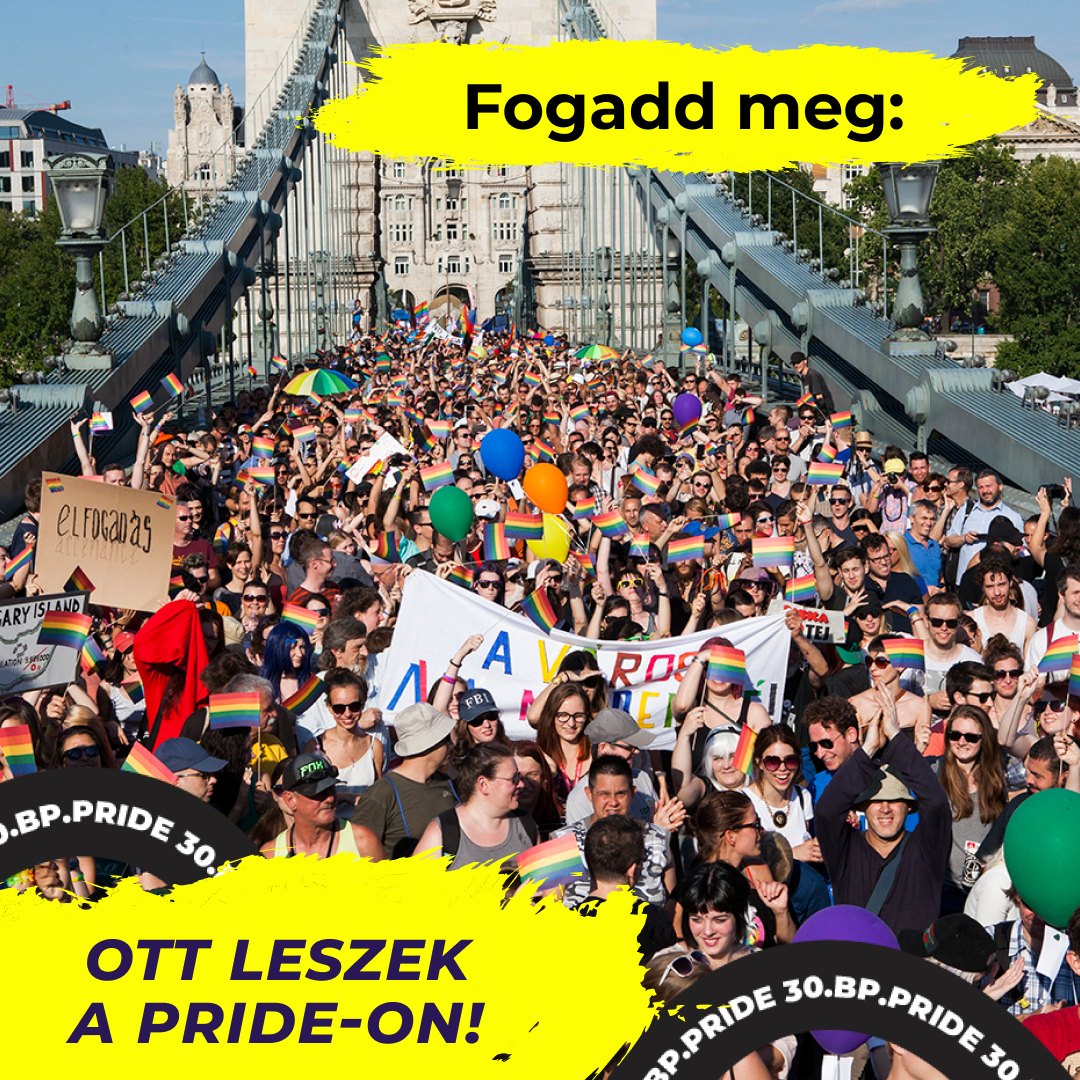
BREAKING – Police ban Budapest Pride despite many foreign guests: Mayor Karácsony responds unexpectedly – UPDATED

Change language:
According to a decision by Budapest Police Chief Tamás Terdik, the LGBTQ march known as Budapest Pride cannot be held on the proposed city centre route. There is no right of appeal against the decision, but the organisers may challenge it by initiating an administrative lawsuit.
Police ban Budapest Pride to protect children
According to infostart.hu, Tamás Terdik, Budapest’s Police Chief, issued a decision today banning Budapest Pride. The event was scheduled for 28 June, from 6:00 a.m. to 10:00 p.m., along the planned route: Károly Boulevard – Astoria – Múzeum Boulevard – Kálvin Square – Vámház Boulevard – Fővám Square – Szabadság Bridge – Műegyetem Wharf.
According to the police document, the authorities concluded that the event constitutes an assembly as defined by the provisions of the Assembly Act. This conclusion was based on public statements made by Budapest Mayor Gergely Karácsony and the official letter from the city’s Chief Notary.
Although Mayor Gergely Karácsony’s Facebook announcement did not contain the word “Pride” (in Hungarian), the Hungarian name Budapesti Büszkeség translates to “Budapest Pride,” referencing its international and social significance. These elements are considered to embody the characteristics of public expression of opinion, as outlined in Hungary’s controversial Child Protection Act.
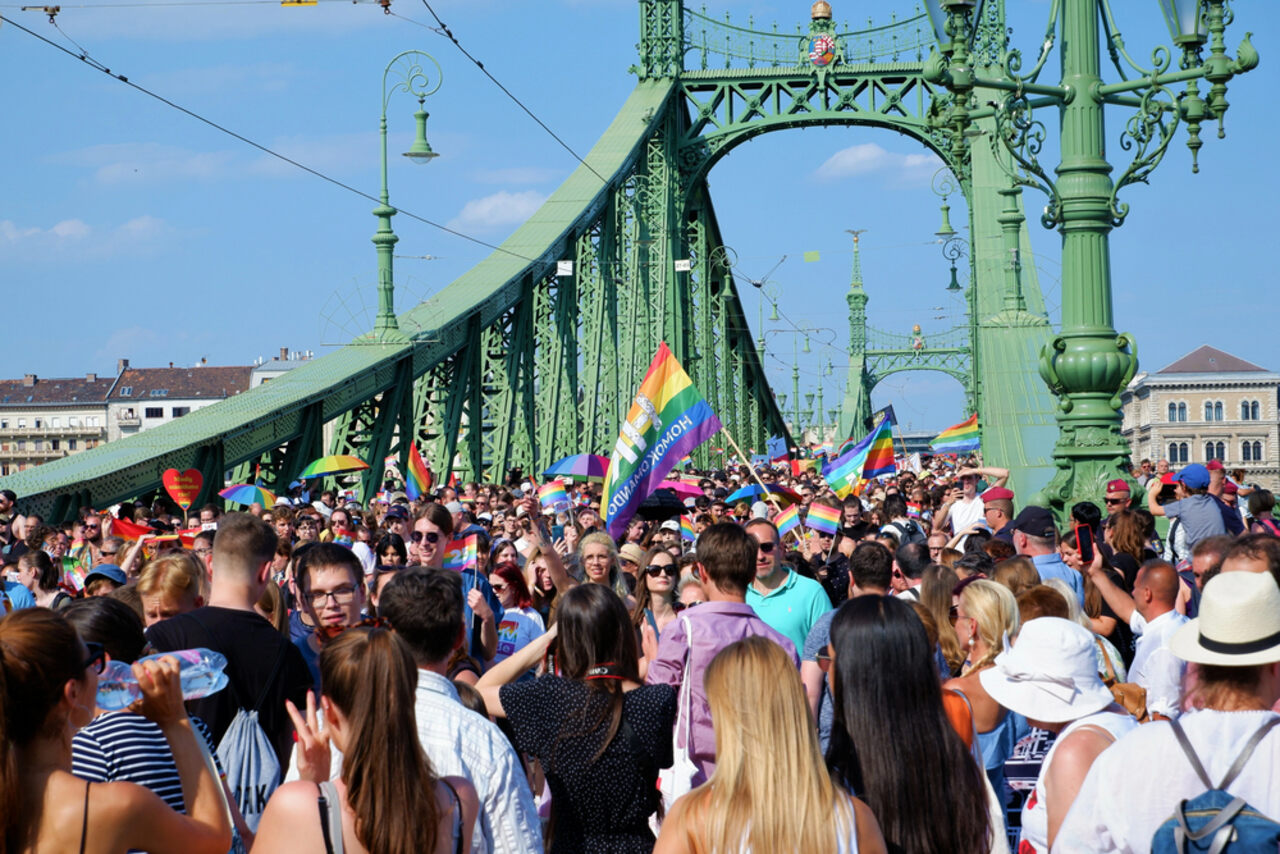
Budapest Police stated that it would be impossible to comply with the law during such an event in the city centre, particularly in terms of preventing minors from witnessing conduct prohibited by the Act. The police cited new child protection measures passed by the Hungarian Parliament, which came into force on 15 April.
- Demonstration held in Budapest in solidarity with queer people; police do not intervene
The Municipal Council organises the event
The law prohibits gatherings that promote homosexuality, with organisers and participants facing fines of up to HUF 200,000 (approximately EUR 500). The police are also authorised to use facial recognition software to identify attendees—a measure originally introduced for counter-terrorism purposes.