Amazing: Satellite imagery uncovers massive Avar-era cemetery in Hungary

Change language:
A story straight out of science fiction has emerged on the outskirts of Tatabánya, Hungary. Using modern technology, including satellite and drone imagery, archaeologists have discovered what could be an Avar-era cemetery containing hundreds, possibly even a thousand, graves. This groundbreaking find not only rewrites local history but could usher in a new era of archaeological research across Hungary.
Patterns in the crops: How it all began
The story dates back to April 2025, when Attila Papp, a researcher at the Hungarian National Museum’s National Archaeological Institute (MNM NRI), spotted unusual patterns in aerial and satellite images of grain fields near Tatabánya. The discolourations—regular, rectangular shapes—suggested the possible presence of subterranean graves.
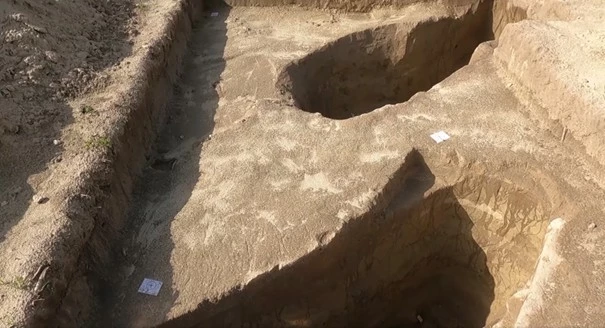
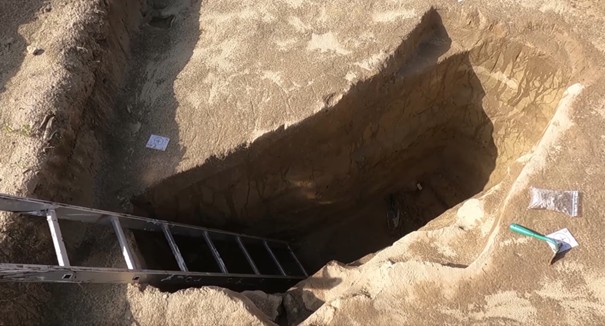
Suspicion quickly turned into action. Researchers contacted the landowner, obtained permission to investigate the area, and a formal dig began. A joint project by the Tatabánya Museum and the MNM started with exploratory excavations of two graves—early findings confirmed the area hosted an Avar-period cemetery dating back to the Migration Period, according to Blikk.
Log coffins, looting, and burial customs
The graves are deep and oriented west to east, and unfortunately, had been looted long ago. Despite this, archaeologists managed to glean valuable insights into ancient burial customs. Remnants of the wooden coffins and evidence of burning and charring revealed that the deceased were buried in log coffins.