Subscribe to our social channels to get the latest news about Hungary!


For many around the world, Santa Claus is one of the most recognisable figures of the festive season. His red suit, white beard and gift-giving spirit are integral to Christmas celebrations everywhere. But behind the modern image lies a rich and fascinating history that stretches back more than 1,700 years. From the life of Saint Nicholas to the evolution of the jolly figure we know today, the story of Santa Claus reveals how traditions reshape themselves as cultures evolve.
The roots of Santa Claus can be traced to Saint Nicholas of Myra, a 4th-century Christian bishop born in what is now Türkiye. Known for his generosity, Nicholas became famous for helping the poor, rescuing sailors and secretly delivering gifts to families in need. One of the most well-known legends tells of Nicholas leaving gold coins in the stockings of three sisters whose family had fallen on hard times. These acts of compassion established him as a protector of children and a symbol of charity.
After his death, Nicholas’s reputation spread across Europe, and he became one of Christianity’s most beloved saints. His feast day, 6 December, remains an important holiday in many countries, where children still receive small gifts or sweets in honour of the saint.
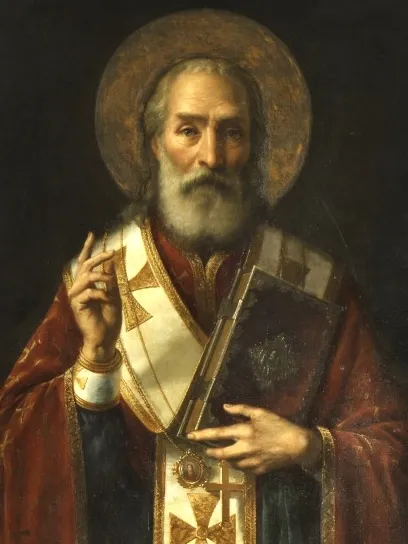
The transformation of Saint Nicholas into Santa Claus is a fascinating journey through cultural exchange, migration and myth-making. In medieval Europe, Nicholas’s legacy remained strong, especially in the Netherlands, where he was known as Sinterklaas. Dutch settlers carried this tradition with them to North America in the 17th century.

It was in the United States that Sinterklaas evolved into the modern Santa Claus. The name “Santa Claus” itself is derived from the Dutch pronunciation of “Saint Nicholas”. Over time, writers, illustrators and commercial influences reshaped his appearance and characteristics.
The 1823 poem “A Visit from St Nicholas”, more commonly known as “The Night Before Christmas”, played a crucial role in forming today’s Santa image, depicting him as a cheerful, plump figure travelling in a sleigh pulled by reindeer. Later, 19th-century illustrations by artists such as Thomas Nast solidified the iconic red-suited Santa familiar today.

Santa Claus grew into a universal symbol of Christmas because he embodies the holiday’s spirit of giving, kindness and joy. As Christmas evolved into a family-centred celebration throughout the 19th and 20th centuries, Santa became a bridge between religious tradition and modern festive culture.
While his origins lie in the life of a Christian saint, today, Santa transcends religious boundaries. He appears in films, festive markets, shopping centres and Christmas cards, bringing communities together regardless of background. His appeal is timeless: children look forward to his arrival each year, and adults embrace the nostalgia associated with the magic of Christmas Eve.
Despite global recognition, Santa Claus traditions vary widely. In Hungary, for instance, Mikulás (a direct reference to Saint Nicholas) visits on 6 December, placing sweets in the polished boots of well-behaved children. On Christmas Eve, many families also receive gifts, often attributed to the Christ Child or other regional figures.
In Scandinavia, Santa merges with ancient folklore, appearing as a winter spirit or gnome-like character. In the United Kingdom, he is known as Father Christmas, a figure who predates the American Santa but now shares many of his attributes. These variations reflect how different cultures adapt the story to match local customs, preserving both old and new traditions.
From a humble 4th-century saint to the global symbol of Christmas, the journey of Santa Claus is a testament to the power of storytelling and tradition. His history continues to inspire celebrations worldwide, reminding us of the enduring value of generosity during the holiday season.
Whether you call him Santa, Father Christmas, Sinterklaas or Mikulás, the spirit he represents remains universal: warming hearts and bringing festive joy year after year.
Read more of our articles about Santa Claus below:

 ZH
ZH IT
IT DE
DE HR
HR NL
NL FR
FR JA
JA RO
RO RU
RU ES
ES TR
TR

