Subscribe to our social channels to get the latest news about Hungary!


Moving to Hungary involves more than finding a flat and setting up utilities. Understanding how the healthcare system works is essential for both short- and long-term residents.
Hungary offers a mix of public and private healthcare, and expats often use a combination of both. Here is what foreigners should know about medical services and insurance before they need treatment.
Hungary operates a state-funded public healthcare system supported by social security contributions. Those who are employed and paying into the system are entitled to public medical care through the National Health Insurance Fund (NEAK).
Public hospitals and clinics provide basic services, specialist care and emergency treatment, although waiting times can sometimes be long.
Private clinics offer faster appointments and English-speaking staff, but at much higher costs.
Eligibility usually depends on employment or legal residency.
You are typically covered if you:
Once registered, you receive a TAJ card (social security card), which must be presented when visiting public healthcare providers.
The TAJ card is your official health insurance identification in Hungary. It proves you are entitled to state-funded medical care.
Without it, you may be charged full private rates, even at public hospitals.
Expats should apply for the card as soon as they obtain residency or employment.
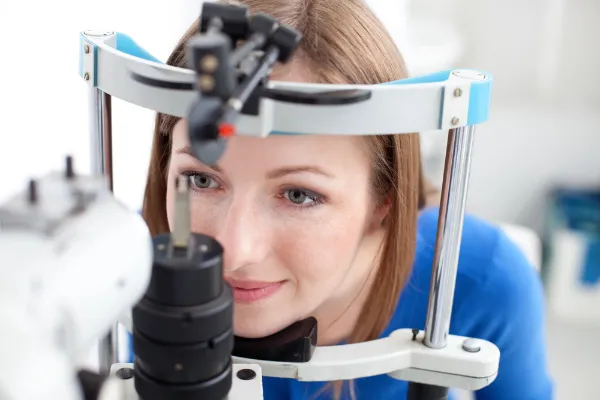
Many foreigners opt for private care for convenience and language reasons. Private clinics often offer:
Prices are generally affordable compared to Western Europe, and many services are available without referral.
A private GP visit may cost between HUF 20,000–35,000 (EUR 53–93), depending on the clinic.

While not legally required for everyone, private insurance is strongly recommended.
It can cover:
Some residency permits or visas may also require proof of insurance.
International insurers and local providers both operate in Hungary.
Pharmacies (gyógyszertár or patika in Hungarian) are widely available and easy to find. Many medicines that require prescriptions elsewhere may be available over the counter in Hungary.
Opening hours vary, but larger cities always have 24-hour pharmacies on rotation (find the lists here; you might need to translate the page as it’s in Hungarian).
Emergency treatment is available to everyone. Dial 112 for ambulance services.
Public emergency care is generally reliable, though waiting times may vary depending on demand.
Hungary’s healthcare system is affordable and mostly functional (unfortunately, less and less so in recent years), but navigating the mix of public and private services can initially feel confusing. With proper insurance and registration, most expats find accessing care straightforward and reasonably priced.
If you missed it:
Public healthcare is free or low-cost if you are legally employed and paying social security contributions. Otherwise, you may need private insurance or pay out of pocket.
A TAJ card is Hungary’s social security health card. It proves you are entitled to state-funded medical treatment and is essential for accessing public healthcare.
Yes. Many expats choose private clinics for shorter waiting times, modern facilities and English-speaking staff. Appointments are usually quick and straightforward to book.
Prices vary, but a private GP consultation typically costs between HUF 20,000–35,000 (EUR 53–93). Specialist visits and tests cost more but are still cheaper than in many Western European countries.
It is not mandatory, but it is strongly recommended. Some residence permits also require proof of insurance coverage.
Dial 112 for emergency services. Operators can usually assist in English.
Yes. Pharmacies are common throughout Hungary, and larger cities have 24-hour options available for urgent needs.

 ZH
ZH IT
IT DE
DE


Been a legal resident for 8 years and every time I tried to sign up I was refused TAJ Card every time I tried to obtain one. No matter that I never expected to get one without being required to contribute to the system. NON E.U Citizens are and have been refused unless they are employed by a Hungarian business, are married to a Hungarian Citizen or a member of another EU nations Healthcare scheme. Whether having Residency or Permanent Residence does not matter or so I have been informed each of the 4 times I made attempts to join the system. Due to this situation my only option to receive healthcare services was the nearest Hospital Emergency Department because my village Dr could not or would not even speak with me about my situation.