Subscribe to our social channels to get the latest news about Hungary!


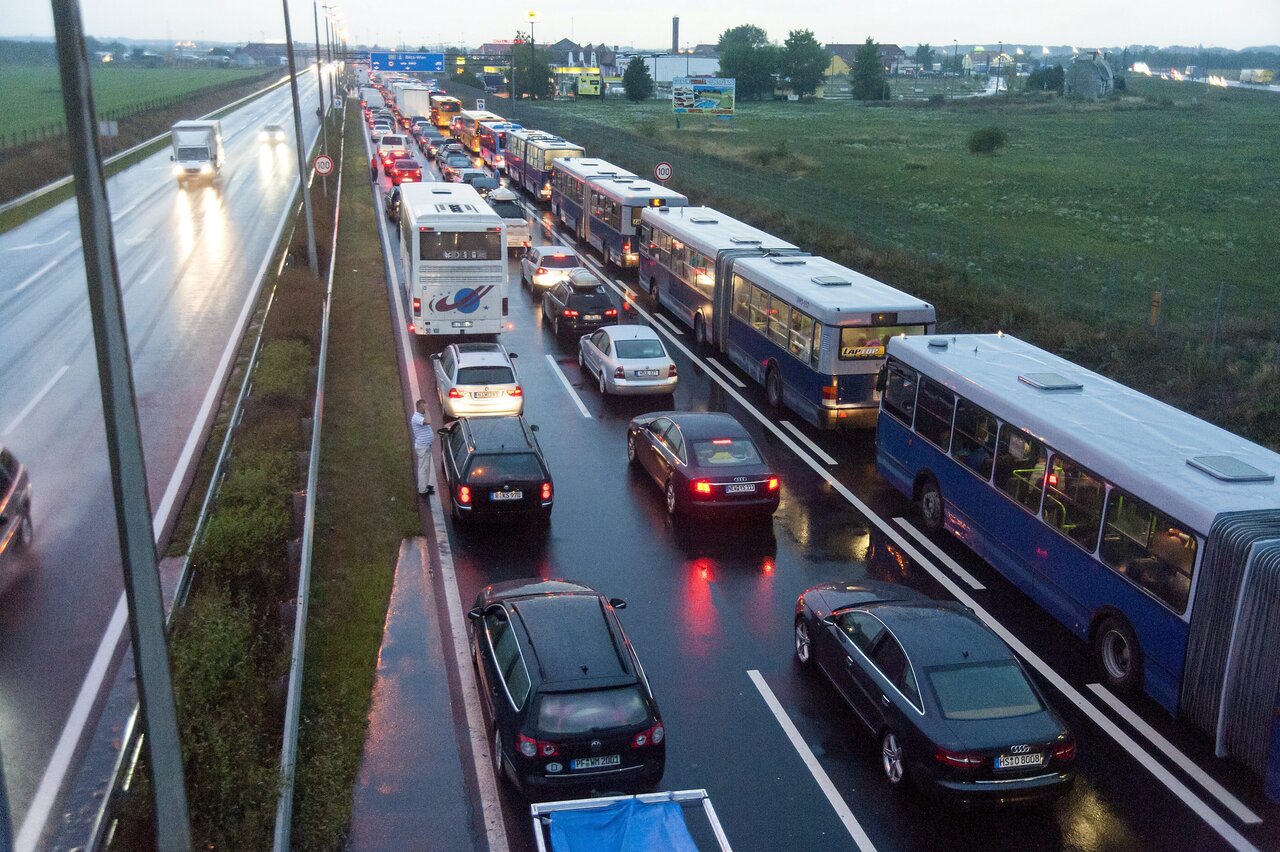
An innovative project worth nearly EUR 2 million—approximately HUF 800 million—has been launched in Croatia to ease the long queues that routinely form at the country’s borders, especially during summer months.
The initiative aims to deploy cutting-edge technology to eliminate the overwhelming congestion at border crossings not part of the Schengen Area, such as those shared with Serbia, Bosnia and Herzegovina, and Montenegro.
While major delays once plagued the borders with Slovenia and Hungary during peak tourist seasons, Croatia’s accession to the Schengen Zone has streamlined those crossings. However, multi-hour wait times remain common at the country’s newer eastern and southern borders, particularly as millions of tourists pass through during the summer.
According to Total Croatia, the project carries a price tag of EUR 1.99 million and attracted two bids during the tender process. Once installation of the hardware is complete, developers will have two years to fully implement the system.
A key feature of the upgrade is the deployment of state-of-the-art video analytics cameras at the busiest crossing points. As Turizmus Online reports, these cameras can read license plates and analyze traffic flows, making it possible to accurately measure each vehicle’s wait time.
In locations where cameras aren’t installed, traffic density will be estimated using mobile network data. The gathered information will then be processed using machine learning to help identify congestion patterns and predict traffic jams in advance.
Another benefit of the system is the integration of real-time data into both the Croatian Roads mobile app and its official website. Travellers will be able to access up-to-the-minute wait times for each border checkpoint, and the system will even suggest alternate routes if congestion becomes too severe.
The system will particularly monitor the region’s busiest crossings to ensure smoother border flow.
The project not only aims to enhance traveller comfort at the borders but also complies with a 2014 European Union regulation requiring member states to inform drivers about delays at non-EU external borders.
The EUR 2 million investment is expected to significantly reduce summer wait times and offer a more comfortable and transparent travel experience for both tourists and commuters.
To read or share this article in Hungarian, click here: Helló Magyar
Read more travel-related news on Daily News Hungary!
Read also:


