


 ZH
ZH IT
IT DE
DE HR
HR NL
NL FR
FR JA
JA RO
RO RU
RU ES
ES TR
TR


New EU entry and exit system launched today at Budapest Airport!
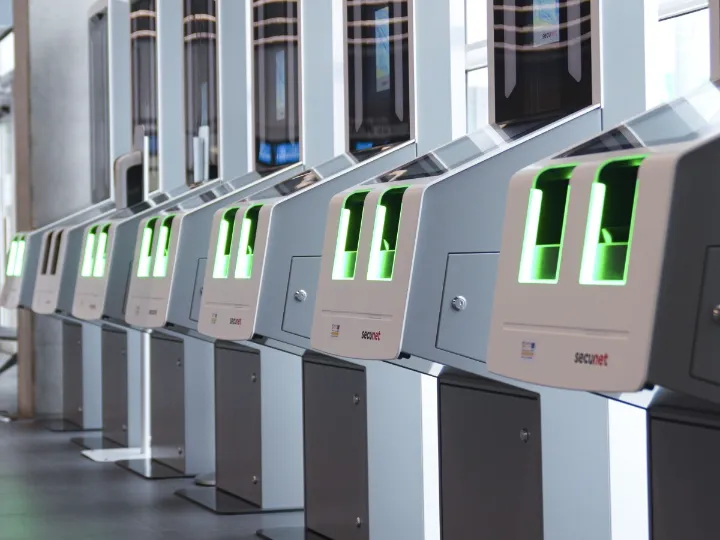
The European Union is introducing a new border control system (Entry/Exit System, EES) for the registration of non-EU citizens travelling for short stays. The measure has been introduced uniformly and mandatorily at all border crossing points in 29 European countries, with the aim of strengthening internal security in the Schengen area.

New EU entry and exit system launched today at Budapest Airport
Implementation at Ferenc Liszt International Airport is taking place gradually, starting on 18 November 2025. The regulation is only for passengers with non-EU passports, who may temporarily have to expect longer waiting times during border checks. Budapest Airport is working with the authorities to ensure the seamless handling of passenger traffic.
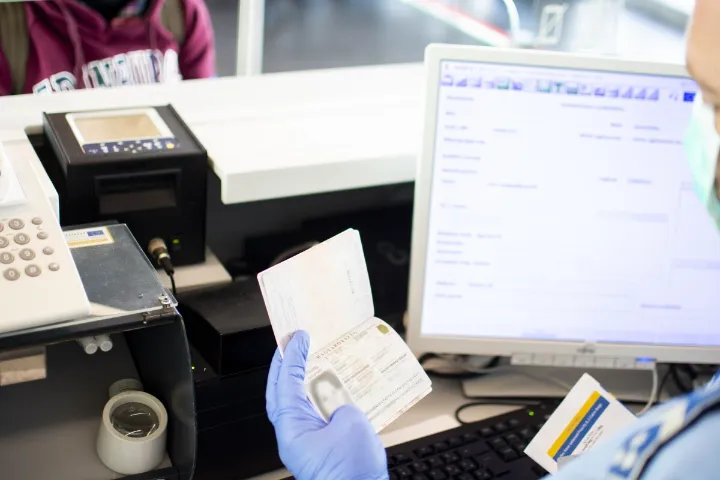
The European Union’s new Entry/Exit System (EES) has already been introduced at all Hungarian border crossing points, and is being introduced at Ferenc Liszt International Airport from 18 November. The EES is used to register non-EU citizens travelling for short stays—that is, for up to 90 days within a 180-day period—each time they cross the external border of one of the 29 European countries using the system.

This needs a disclaimer stating it only applies to the schmucks who seek entry through legal channels.
There’s always the alternative of just turning up at any E.U. country’s border (EXCEPT Hungary’s!) and claiming asylum. You’ll be waved in, no questions asked, and be given endless freebies while having to contribute absolutely nothing. You can even engage in heinous criminal activity without fear of deportation.
Yay, E.U.!!!
By definition this is designed to address entry via regular routes at land borders, ports and airports, not irregular migration or indeed, people claiming asylum on arrival. It’s designed to stop people like you from staying more than 90 in 180 days in the Schengen area without a residency visa as well as ensuring that non-EU nationals have biometrics taken on entry so that they can more easily caught and deported if they overstay or commit a crime.
Well asnwered Steve.
There should be a seperate laws for hate speech and stupidity like idiot Steiner.