


Despite government ban, Budapest Pride draws record crowds — Many see it as a sign of Orbán’s imminent downfall

Change language:
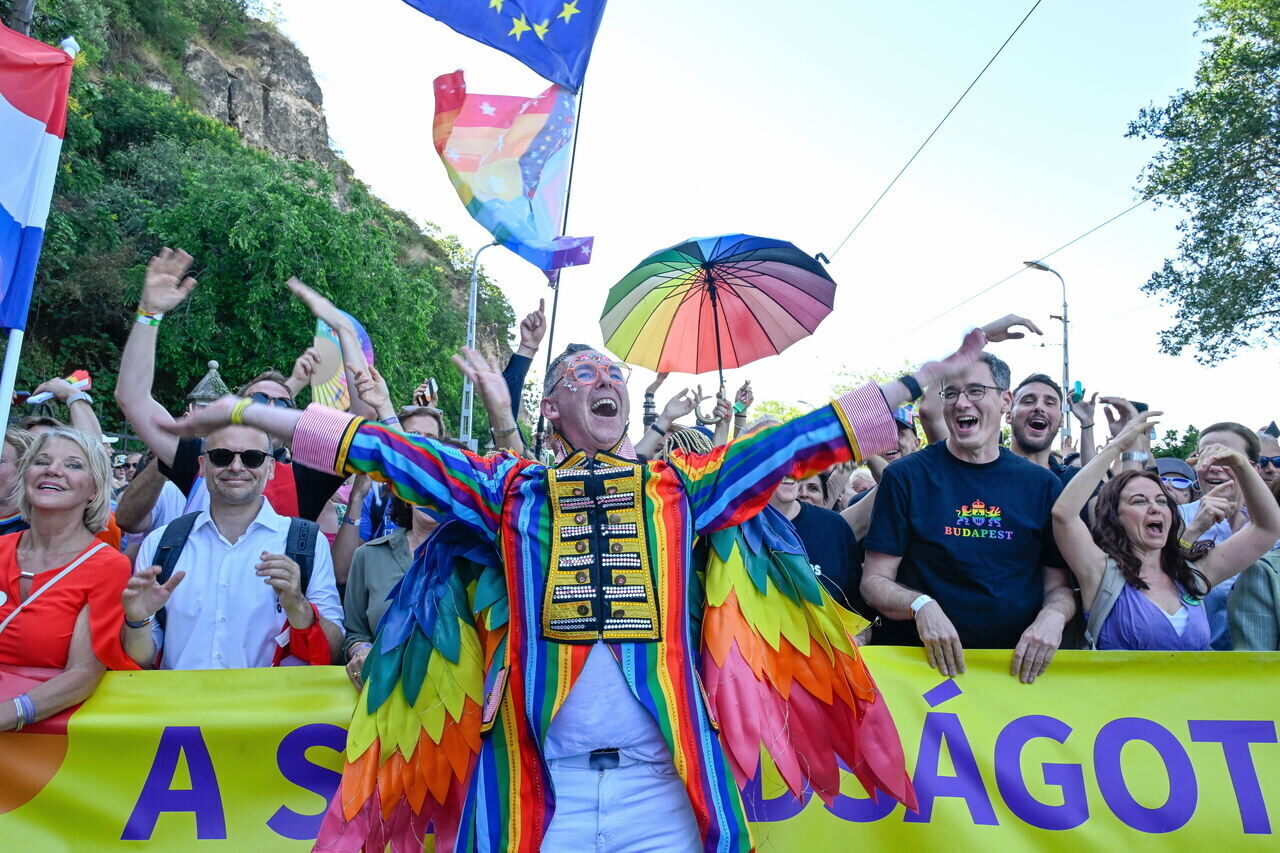
This year’s Budapest Pride sparked unprecedented domestic and international reactions: while tens of thousands marched for LGBTQ+ rights despite a government ban, major global media outlets framed the event as a political demonstration.
International response
As Telex reported, leading international media outlets took notice as thousands participated in Budapest Pride, defying the Hungarian government’s ban. According to Reuters, the parade evolved into a protest against Prime Minister Viktor Orbán, even as Justice Minister Bence Tuzson threatened the organisers with up to one year in prison.
Spanish daily El País and France’s Le Monde both emphasised that Budapest Pride has grown beyond a traditional LGBTQ+ rights march, becoming a symbol of fundamental human rights. Italy’s La Repubblica streamed the event live, while The New York Times and The Guardian highlighted the political undertones—pointing to weakening support for the ruling Fidesz party and mounting tensions ahead of the 2026 elections as possible motives behind the attempted ban. The BBC and CNN also covered the event, underlining Budapest Pride’s increasing international significance.
Viktor Orbán responds to Budapest Pride
According to Index, Prime Minister Viktor Orbán addressed the Pride march the following day. In a post shared in the closed Facebook group Club of Fighters, he claimed the event was held “on Brussels’ orders” and described it as an attack on Hungary’s sovereignty. He alleged that the march represented the political base of the Tisza Party, the Democratic Coalition (DK), and Budapest Mayor Gergely Karácsony.
Despite the large turnout, Orbán argued it paled in comparison to the more than three million who voted in the 2022 “gender referendum.” He called the event “repulsive and shameful,” singling out drag performances, men in high heels, and pamphlets on hormone therapy.
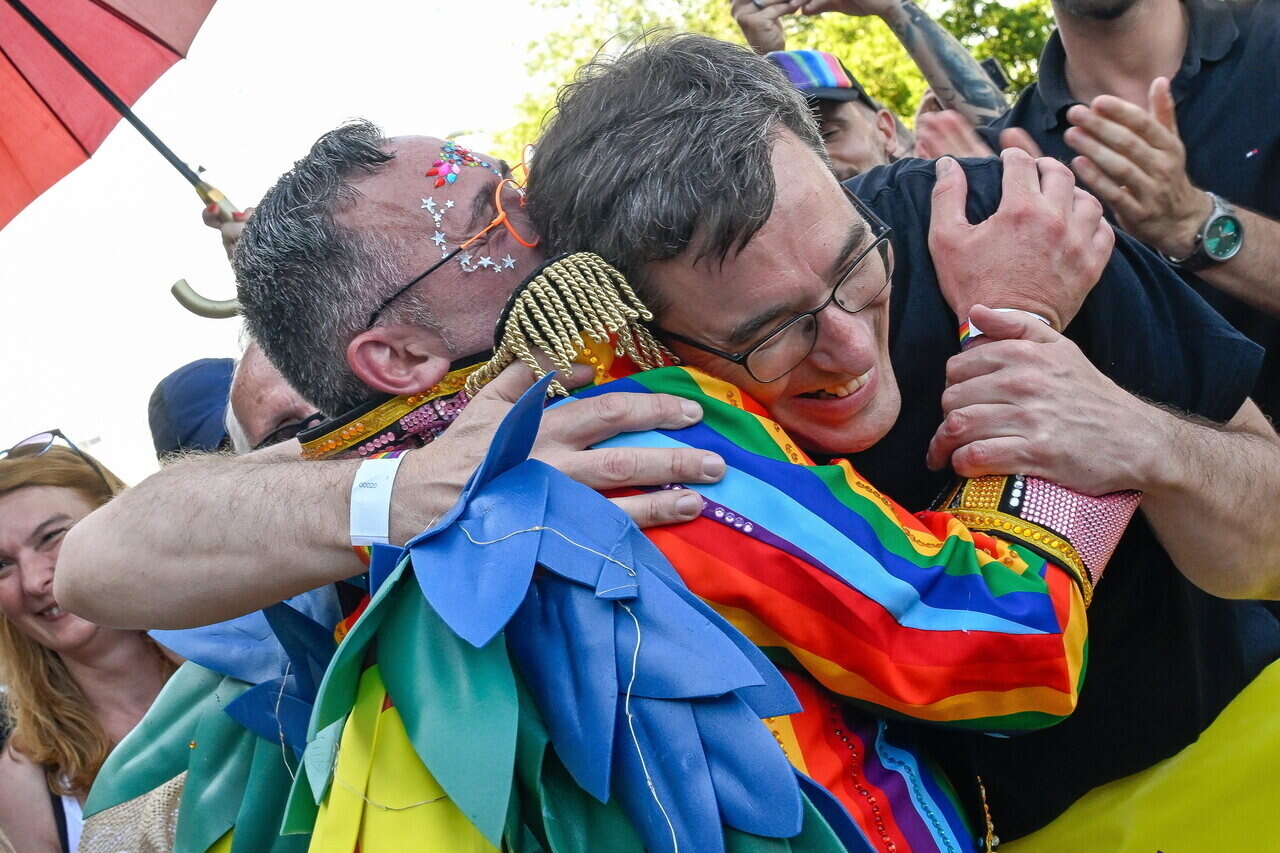
Other government figures echoed Orbán’s tone. Minister Gergely Gulyás claimed the opposition had “merged with the Pride,” while Budapest’s Fidesz chapter criticised Karácsony for politically and financially supporting the event. Amid rising political tensions, Budapest Pride saw a record turnout—organisers estimated up to 200,000 participants—who described the atmosphere as peaceful and celebratory. Analysts noted that the day was not solely about LGBTQ+ visibility but also reflected a reshaping of the political landscape ahead of the 2026 elections.
Péter Magyar weighs in
Péter Magyar also responded with a sharp critique of Orbán in a Facebook post. The Tisza Party leader dubbed the prime minister “Europe’s Pride King,” noting that no other figure had ever mobilised such a large protest, even partially directed at themselves.