Hungarian Gripens intercepted multiple Russian jets in the Baltic airspace

Change language:
With the Baltic states lacking effective air defences and fighter jets, NATO member countries—including Hungary—provide protection on a rotating basis. And while outward appearances suggest a close Orbán-Putin relationship, with Orbán often seen as advocating policies aligned with Moscow’s interests, even Russia has reason to be wary of Hungary’s Gripen fighters. Hungarian pilots have already intercepted Russian Su-35S and Su-27P fighter-bombers, Su-24M strike aircraft, as well as transport and reconnaissance planes.
What Hungary’s Gripens are doing on deployment
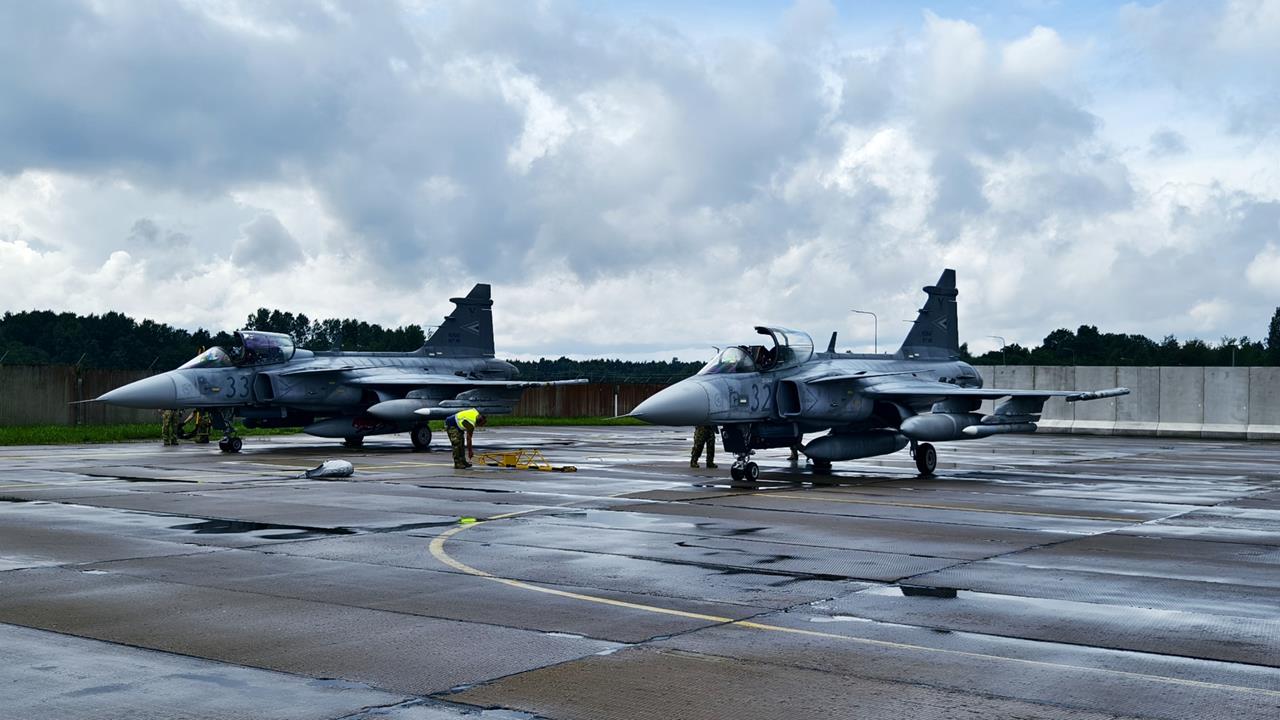
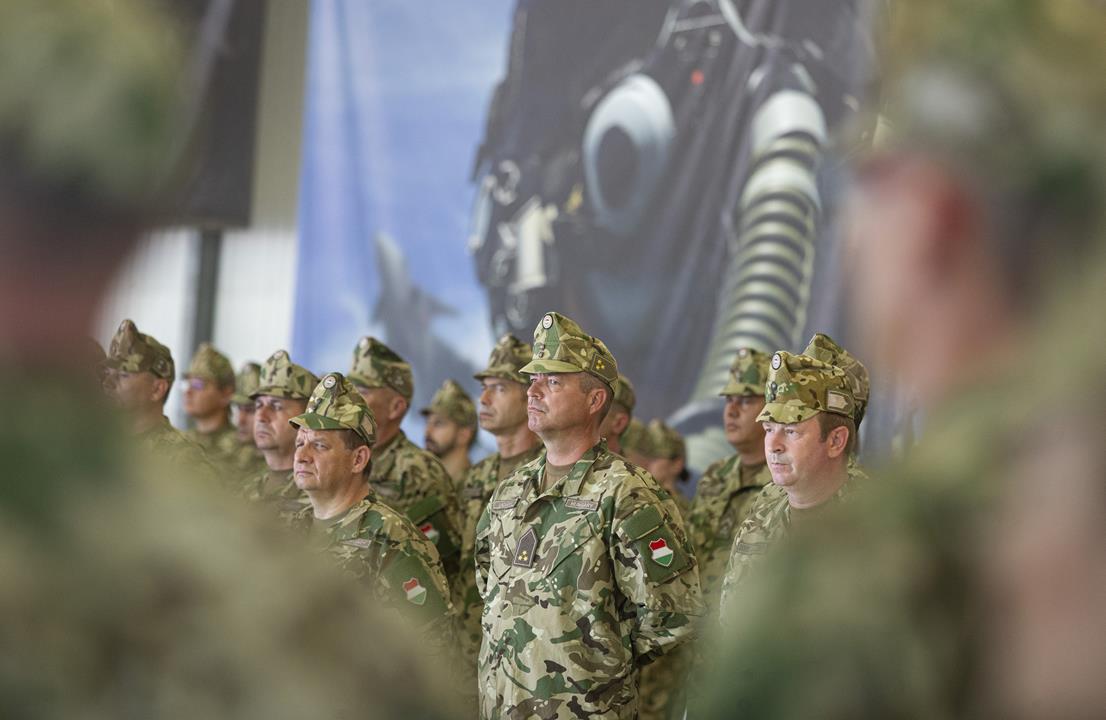
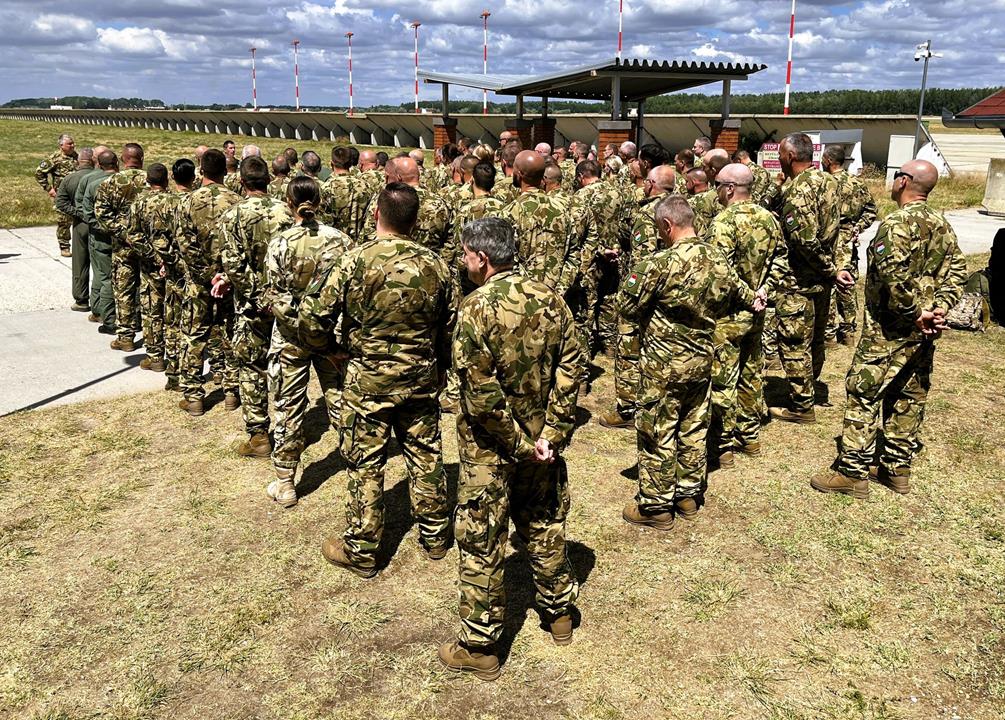
Since 1 August, four Hungarian Gripen fighters have been tasked with securing the airspace of the Baltic states—along with Slovakia, Slovenia, and Croatia—one of Europe’s military flashpoints. Russian military transport and fighter planes frequently fly in the area, ferrying personnel and supplies between St. Petersburg and the Kaliningrad exclave. Some of these flights deliberately approach, and at times violate, NATO airspace as a test. Kaliningrad, formerly the German city of Königsberg and biggest city of East Prussia, became a Soviet exclave after World War II and was later inherited by Russia.
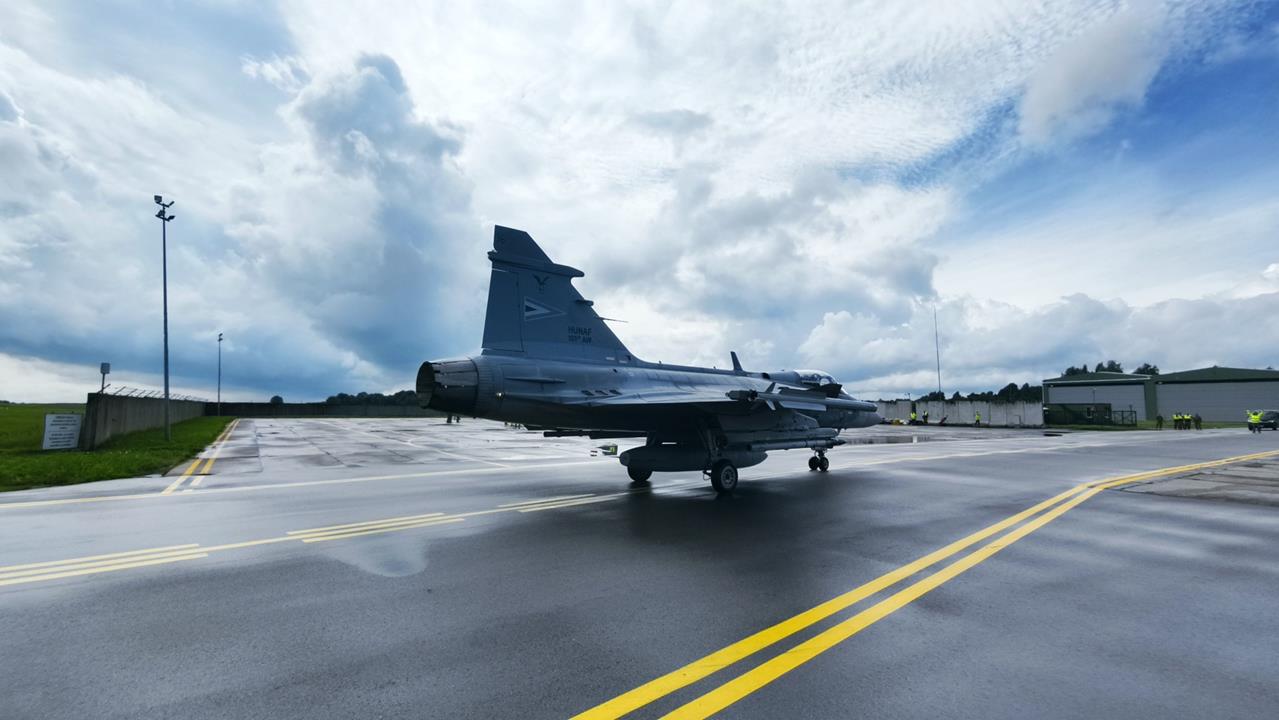
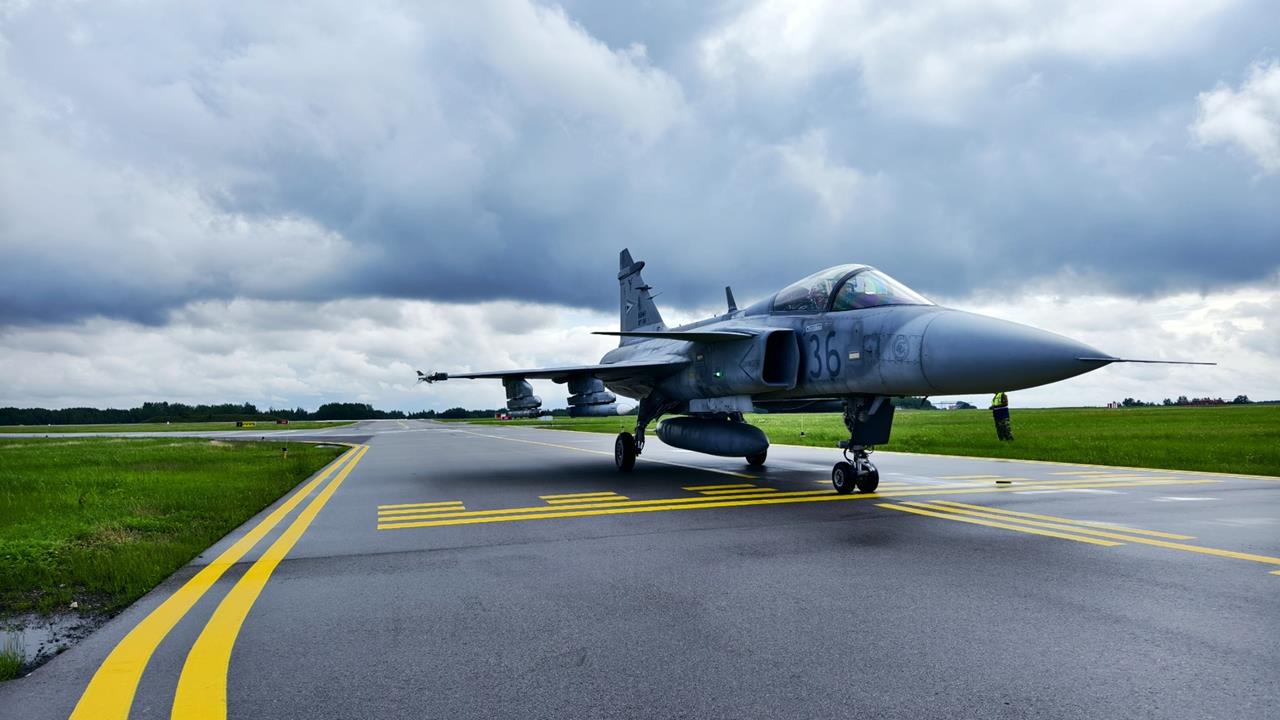
Air policing missions—carried out in part by the Hungarian Gripens—are aimed at identifying any unidentified airborne objects and escorting them out of Baltic or NATO airspace. These operations reinforce the alliance’s strength and offer reassurance to the citizens of the Baltic states, who justifiably fear potential Russian military aggression.
More Russian jets may be intercepted before 30 November
Currently, four Hungarian Gripens are stationed at the Šiauliai Air Base in Lithuania, though the air operations command center is located in Uedem, Germany. That’s where the orders for an 8 August scramble originated, when multiple Russian aircraft were intercepted—identified and escorted out. The Swedish-made JAS-39C Gripens are versatile fighters capable of interception, attack, and reconnaissance, with a top speed of Mach 2. Hungary will continue its mission guarding Baltic airspace through 30 November.