Subscribe to our social channels to get the latest news about Hungary!


Hungary’s Viktor Orbán doubles down on loyalty, defending sanctioned minister Antal Rogán while eyeing alignment with Trump’s “America First” policy. Can Orbán’s strategy withstand regional rivalry and Trump’s unpredictability?
As Telex writes, Orbán Viktor’s political strategy has been notably characterised by his unwavering support for his ministers, even in the face of external challenges. Recently, he defended Antal Rogán, a key minister who was placed on a US sanctions list, asserting that such actions only reinforce Rogán’s position within the government. This approach highlights Orbán’s tendency to protect his officials rather than replace them during crises, a strategy he has employed previously with others in his cabinet. As the Trump administration takes shape, Orbán’s loyalty to his team may be put to the test, particularly as Rogán’s role in fostering US-Hungarian relations comes under scrutiny.
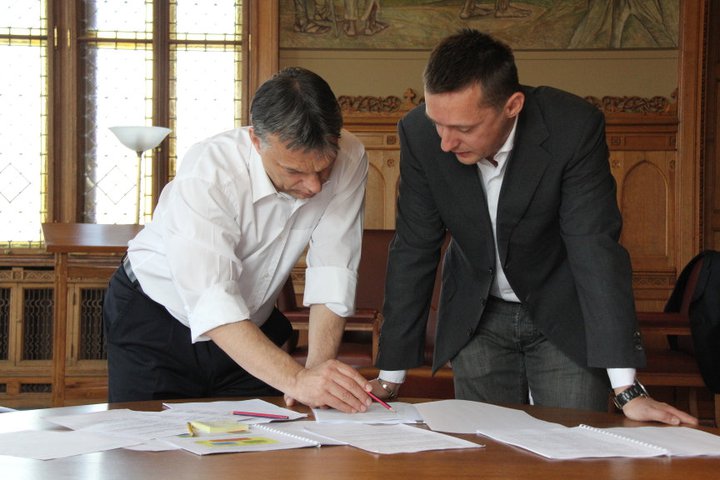
With the anticipated change in US leadership, Orbán’s government is optimistic about a new era in relations with Trump. They believe that Trump’s “America First” policy could align with Hungary’s independent foreign policy aspirations, allowing for a more amicable relationship without provoking US discontent. Orbán‘s administration hopes that the new American administration will accept their desire to maintain equal distance from major powers like Russia and China.
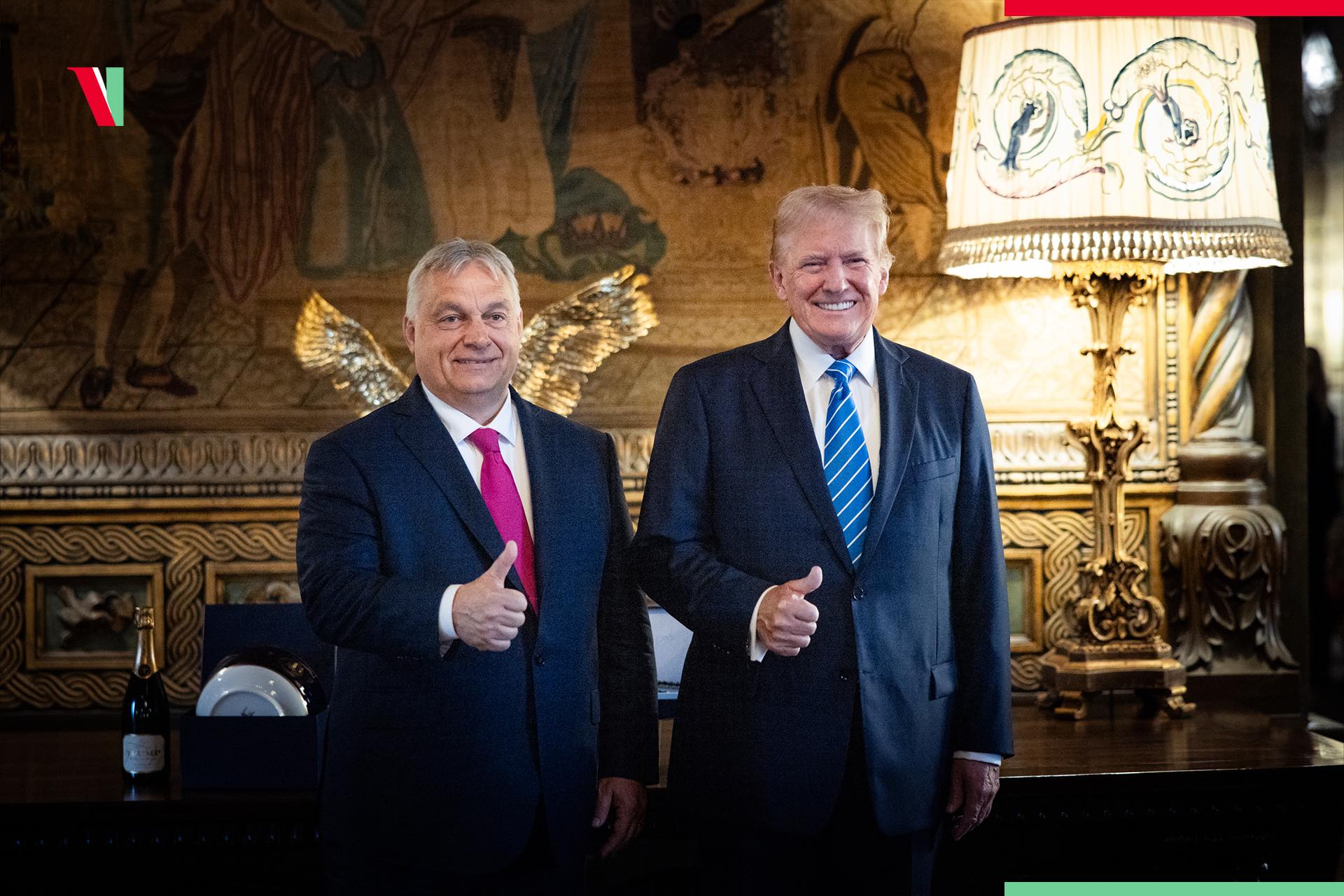
However, there are growing concerns regarding regional dynamics that could undermine Orbán’s position. Countries such as Romania and Poland may interpret the US sanctions against Rogán as an opportunity to challenge Hungary politically. This could lead to increased efforts from these nations to obstruct any rapprochement between Trump and Orbán, potentially using intelligence tactics to their advantage. As Hungary approaches its parliamentary elections, the results of such regional tensions could pose significant challenges for Orbán’s government.
Despite Orbán’s optimistic outlook on US-Hungarian relations under Trump, the unpredictability of Trump’s policies raises questions about the actual outcomes of this partnership. While Orbán envisions a “golden age” for bilateral ties, there is scepticism regarding whether Trump’s administration will prioritise Hungary over other Eastern European states that seek stronger alliances with Washington. The complexities of international relations suggest that Hungary may need to navigate carefully to ensure its interests are aligned with those of the new US administration while managing its existing commitments and relationships within the region.
Read also:


I know! Perhaps our Politicians could persuade the US to send us free money – EUR 3.5 billion+ every year would be nice? You know – so Hungary can be free of “Soros!”, “Brussels Bureacrats” and “Liberal Elites!”.
Not too much to ask, is it?
The problem for Fidesz is that the new US Secretary of State Marco Rubio is the least corrupt and most protective of democratic values of any member of the cabinet. He is not a fan of dictatorships or Orban’s Chinese and Russian friends. Fidesz is not going to get any free pass and is likely to be in for a rude awakening.
I posted this elsewhere – however, reposting since it is notable (and @larry a case-in-point):
The U.S. government said on Monday it would issue a new regulation designed to control access to U.S.-designed artificial intelligence chips and technology by other countries around the world. The rule restricts the export of chips known as graphics processing units (GPUs), needed for the most sophisticated AI applications.
Eighteen destinations are exempt: Australia, Belgium, Britain, Canada, Denmark, Finland, France, Germany, Ireland, Italy, Japan, the Netherlands, New Zealand, Norway, South Korea, Spain, Sweden and Taiwan plus the United States.
https://www.reuters.com/technology/artificial-intelligence/how-new-ai-chip-rule-us-will-work-2025-01-13/