Subscribe to our social channels to get the latest news about Hungary!


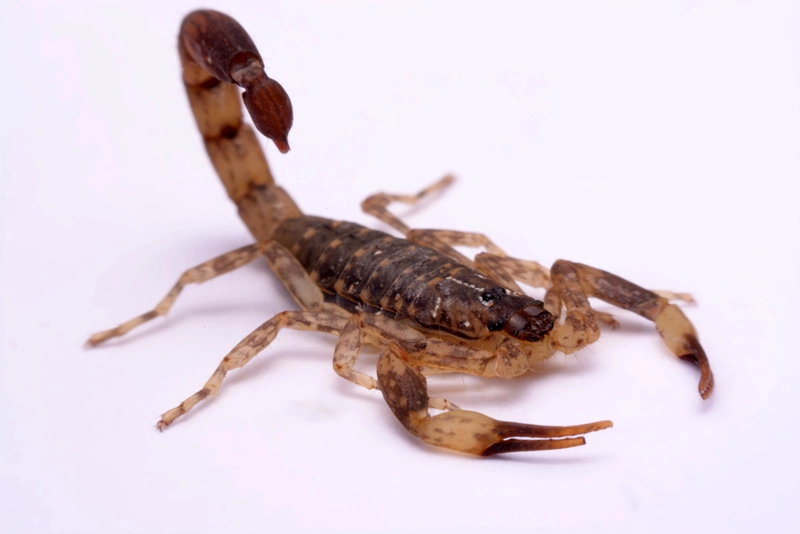
Researchers from Eötvös Loránd University (ELTE) and the Hungarian Natural History Museum have launched a public data collection initiative to investigate the spread of small scorpions belonging to the Euscorpiidae family recently appearing in Hungary.
As Telex writes, these scorpions, typically small and brownish-black, are believed to be introduced largely through tourism and the transportation of goods, such as luggage and imported fruit.
The growing presence of non-native animal and plant species poses a significant ecological threat worldwide, and Hungary is no exception. Scientists are particularly interested in understanding the frequency and distribution of these scorpions throughout the country, some of which may have arrived accidentally in travellers’ belongings or cargo.
Dr Márton Szabó of ELTE and biologist László Czinke have urged anyone who encounters a scorpion in the wild across Hungary to submit photographs along with detailed information, according to 24.hu.
This includes the exact location, time of day, observer’s name and contact details, and any circumstances suggesting how the animal might have arrived. Submissions can be sent via a dedicated Facebook page or by email to szabo.marton.pisces@gmail.com and czinkelaci@gmail.com.
Contributors are advised to ensure the scorpion is clearly visible in the image beside a scale reference like a coin. The researchers recommend using tools such as a brush, stick, or plastic spoon to collect specimens rather than handling them manually, as although the venom is generally mild, allergic reactions can occur.
The most familiar species in Hungary is the Carpathian scorpion (Euscorpius carpathicus), native but not widespread, while the Euscorpiidae family includes over 70 species worldwide, many of which are difficult to identify precisely. This study hopes to map not only the carpathicus species but also the potential spread of non-native ones.


