Subscribe to our social channels to get the latest news about Hungary!


According to the telegraph.co.uk, a Hungarian surgeon working in Britain had to be suspended as he hid his HIV diagnosis, committing forgery to do so as well as putting the health of about 400 patients at risk.
Tamás Nyary, a Hungarian surgeon who has worked for the NHS between 2010 and 2016, has been caught lying about his HIV and continuing to treat patients. It all started when, in order to get a job at the Nottingham University Hospitals in 2013, he changed the date of a 2010 report about him being HIV-free to say 2012 as the year of the examination, making it more up-to-date.
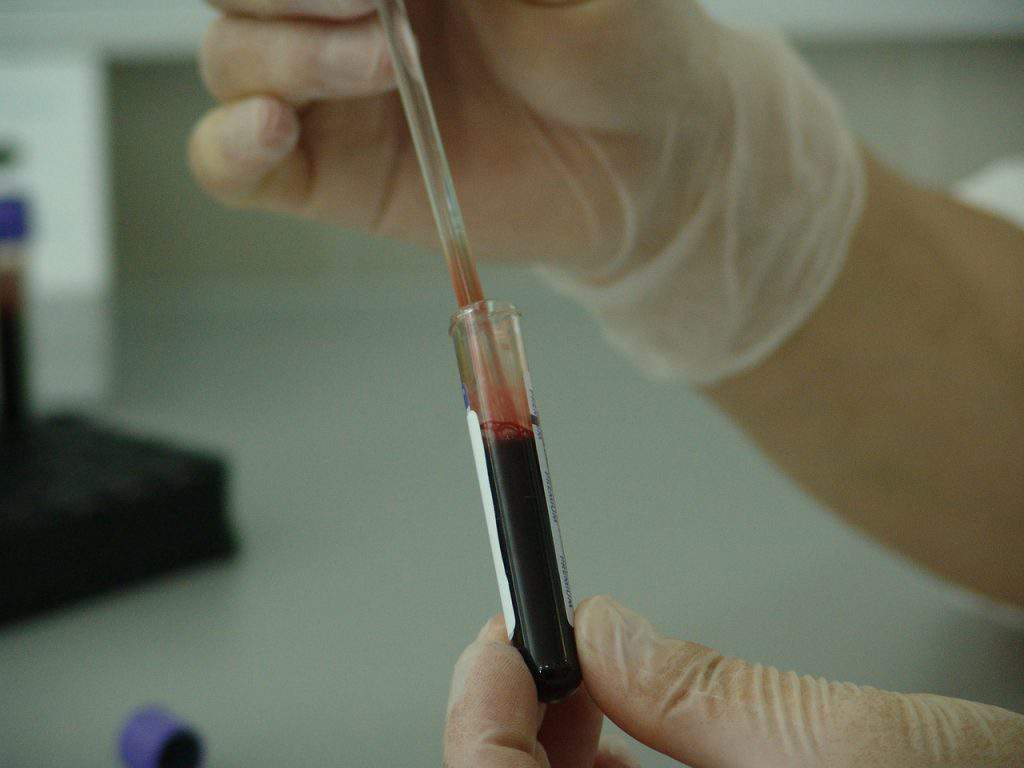
Later, in 2015, when he was working at the Birmingham Heartlands Hospital, he took it a step further. He used a home testing kit to determine whether he had HIV or not. The tests revealed that he was, in fact, HIV-positive.
Nevertheless, he sent his blood sample for full testing using another HIV-positive patient’s name as a disguise to get more conclusive results.
He has admitted committing forgery and making sure he covered his tracks by using a false instrument to gain unauthorised access to a program. In fact, he has committed all this twice. He used an account other than his to check the results, learning that he really had had contrived HIV.
Nyary, the 45-year-old gay orthopaedic and trauma surgeon, became a doctor in Hungary, then decided to leave for the UK to get a job. He had worked at 24 hospitals over a six-year period in different parts of the UK, between 2010 and 2016.
He claims he hid his condition because of fear of being stigmatised for it
and forged the date of his 2010 report only to provide fresher results, ensuring he got the job at the Nottingham hospital.
In 2010, the Equality Act was introduced, allowing people to decide for themselves whether they wanted to reveal infections like HIV to their employers or not. Nevertheless, this is not applicable for people in ‘frontline jobs’ such as doctors and army men.
However, it is unknown when exactly he became infected and it is possible he would have tested negative at the time of the forgery anyways. Also, it is the responsibility of NHS trusts to test their employees for blood-borne viruses, especially those who may perform exposure-prone procedures, like surgery, as that is among the riskiest situations that can cause cross contamination. This does not mean, however, that Nyary was not supposed to report that he may be in need of treatment for such a disease.
In addition, by performing surgery in his condition, he put many patients’ lives at risk.
It is important to note, though, that HIV-positive people who receive the latest drugs do not cause threats for others as the virus in their blood is slowed down so much.
In fact, in 2013, chief medical officer Dame Sally Davies suggested the abolishment of this ban on HIV-positive people working in healthcare, considering how low the likelihood of contamination is.
Moreover, at the time, about 100 NHS employees reported being infected and only 4 cases were known where the medical professional transmitted the disease onto the patient. However, not one of the cases took place in the UK.
This does not exempt Nyary from the blame, though. In England and Wales, it is a GMC-requirement (General Medical Council) that doctors sign a form promising they will report any health issues that pop up so they can be dealt with appropriately.
All HIV-positive medical professionals have to report their condition to their bosses so they can make sure they receive proper treatment and so they can be monitored to ensure the virus is undetectable in them.
Anybody who fails to abide by these rules should expect to be suspended or expunged.
Nyary claims he withheld the information for fear of being judged and stigmatised for his condition.
However, he was found out when people in the laboratory noticed some inconsistencies with the data of the patient under whose name he submitted his sample and the data of the actual sample.
The signs soon led to Nyary, evoking grave consequences for him and about 400 patients who had to face the possibility that they may have been infected during surgeries performed by Nyary.
The exactly 397 patients from Nottingham, Chesterfield and Cornwall have been tested and within days received the good news that none of them had been contaminated. Although the results came back quickly, some of the patients experienced serious stress over the possibility of having contracted the disease and the situation could have been much worse.
As for Nyary, he admitted he knew withholding the information was wrong, saying that
“Well, in theory, I probably was aware, it’s just because of all the stigma.”
He is now suspended by the GMC until the investigation closes. He has also been sentenced to a year in prison (suspended now for two years), after having admitted the crimes he had committed in order to conceal his condition.
For more health-related news, check out this article about the sad state of Hungarians’ teeth.
Source: telegraph.co.uk


