Subscribe to our social channels to get the latest news about Hungary!


Romania’s accession to the Schengen Area has given fresh impetus to the real estate market in Eastern Hungary. The facilitation of free movement between border settlements has made properties in previously less attractive Hungarian villages and small towns increasingly popular with Romanian buyers. This growing demand is now extending even to villages that had previously been completely left out of Hungary’s domestic property boom.
Although Hungarian real estate is generally more expensive, the low prices in villages near the border are creating new opportunities for Romanian buyers, who often see these settlements as a chance to purchase affordable homes.

According to G7, house prices in Romania remain favourable in relation to income levels—among the best in the EU. However, this is not the case everywhere. Cities such as Cluj-Napoca have become significantly more expensive in recent years, even surpassing property prices in Bucharest. A similar trend can be observed in Oradea and Timișoara, where prices per square metre have increased 2.5 to 3 times since 2015.
As these cities lie close to the Hungarian border, the sharp rise in prices is drawing greater attention to more affordable Hungarian properties just across the border.
On the Hungarian side—particularly in Hajdú-Bihar, Békés and Csongrád-Csanád counties—several settlements offer almost unbelievably low prices per square metre. Nagykereki, for example, is less than half an hour from Oradea and offers properties at around €70 per square metre, an almost absurdly low figure compared to Romanian cities.
Similar price levels can be found in Magyarcsanád and other nearby villages, where prices range between 30,000 and 40,000 forints per square metre. These locations are considered ‘white spots’ on Hungary’s housing market map: they missed out on the national property boom, even as prices in nearby towns have risen four- to fivefold.
The key attraction is the price. In major Romanian cities like Cluj-Napoca or Oradea, housing is unaffordable for many, while nearby Hungarian villages offer homes at a fraction of the cost. Additionally, many buyers are drawn to the peaceful, rural setting, ideal for weekend getaways or even longer-term stays. The removal of border checks and the freedom of movement have only strengthened this trend.

Another important factor is the high number of vacant properties for sale in Hungarian villages, mainly due to the ageing population and migration trends. As a result, Romanian buyers are not necessarily pushing out local residents—in many cases, they are simply occupying homes that would otherwise remain empty.
Debrecen holds a unique position in the region. Economic developments—most notably the BMW plant and the CATL battery factory—are having a significant impact on the local property market. Prices in the city have tripled since 2015, with the average cost per square metre reaching HUF 890,000 (around €2,200) in 2024.
However, this urban boom has not automatically spread to surrounding villages. While demand in Debrecen is soaring, homes in nearby rural areas remain comparatively inexpensive. This stark contrast is making smaller settlements increasingly attractive to Romanian buyers priced out of larger urban centres.
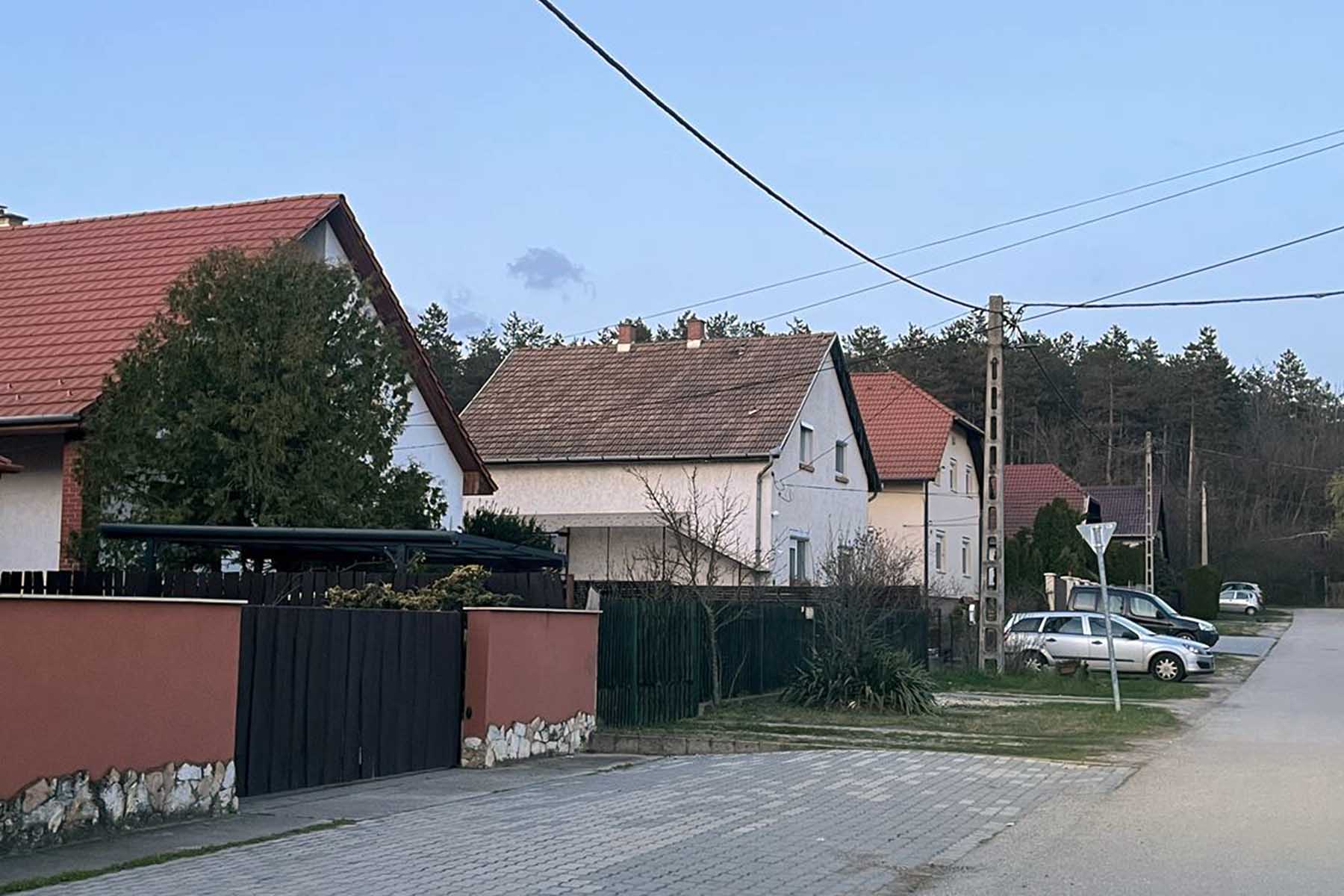
This is not the first time such a phenomenon has occurred. A similar trend was observed in the Slovak-Hungarian border region: after property prices rose sharply in Košice, many Slovak buyers turned their attention to villages in Hungary’s Borsod-Abaúj-Zemplén County. Initially, they purchased weekend homes, but many later chose to relocate permanently—ultimately influencing the local housing market.
According to Infostart, the Hungarian Government is not standing idly by as interest from cross-border buyers grows. A proposed “local identity protection” bill would allow municipalities to influence the sale of properties to non-locals through various measures, such as the right of first refusal or imposing special taxes.
Although an outright ban is unlikely, these policies may help to slow the pace of foreign purchases—particularly in areas around Debrecen and Szeged, where the number of Romanian buyers is rapidly increasing.
House prices in Hungary continue to rise steeply, with an annual increase of 15.1% recorded at the end of 2024, and an even higher rate of 19.2% in Budapest during the first quarter of 2025.
At the same time, purchasing property with a mortgage is becoming increasingly difficult—especially for those who are ineligible for subsidised loans. While home loan amounts are on the rise and market-based interest rates remain stable, rising prices are making credit-financed purchases less accessible.
Nonetheless, rural areas where demand is growing—particularly from cross-border buyers—still offer affordable options, especially for those seeking refuge from the high prices of urban housing markets.
Stay informed! Read more about housing in Hungary HERE!
Read also:


