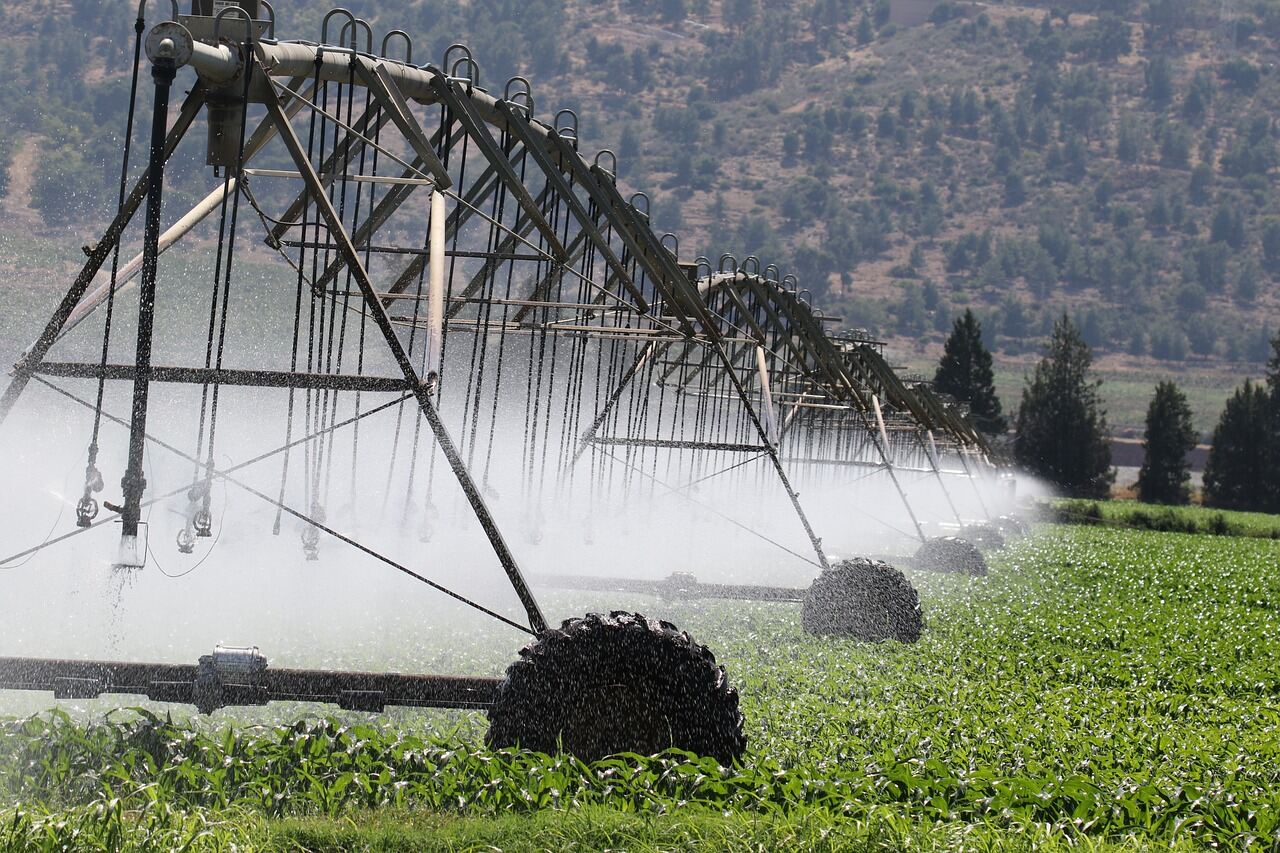
As drought devastates crops, Hungary fails to tap its lifesaving water reserves

Change language:
As climate change continues to dry out Hungary, the country’s agriculture sector has largely failed to embrace the potential of irrigation. Over the past decades, periods of drought have become more frequent and intense, yet the proportion of irrigated land has remained nearly unchanged.
This is particularly striking given Hungary’s natural conditions, which are generally suitable for water retention and utilisation. In practice, however, only a fraction of this potential is used.
This situation is especially worrisome because the lack of water is already causing serious damage to agricultural output, and experts warn that severe drought years will become even more common in the future. The question is clear: why isn’t Hungary irrigating, especially when the need is more pressing than ever?
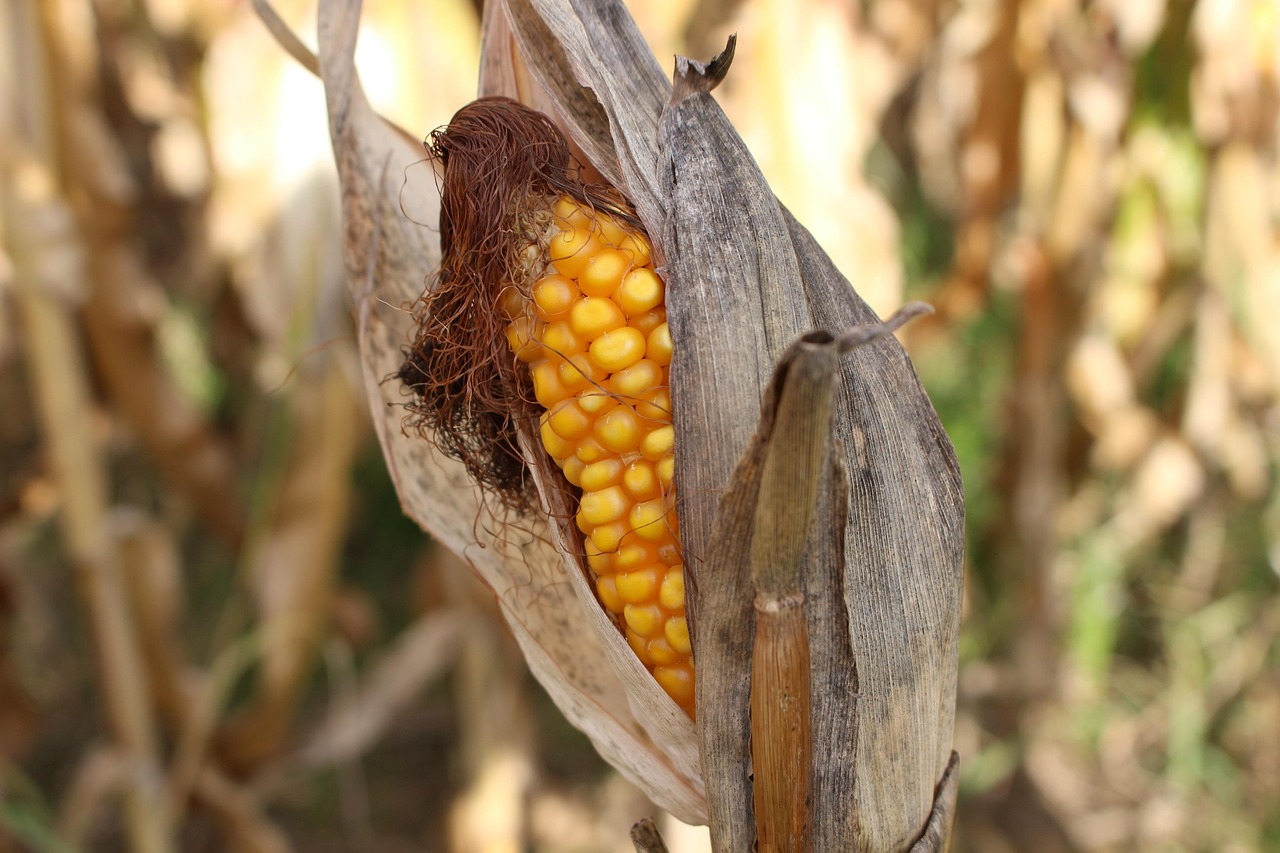
Drought is no longer just a summer issue
The effects of climate change in Hungary have become increasingly dramatic in recent years. Drought is no longer just a seasonal summer problem—it often extends to other parts of the year. In recent years, a lack of precipitation during the winter months, along with reduced snow and meltwater, has resulted in extended dry periods.
These trends align precisely with the warnings climate researchers have been making for decades. Hungary’s climate is gradually shifting toward drier, more drought-prone conditions. On top of that, more frequent heatwaves are further depleting soil moisture.
Ironically, even as the country suffers from water scarcity, there are recurring periods when large quantities of water enter Hungary, whether from upstream flood peaks or heavy spring rains. However, much of this water simply drains away instead of being retained and put to use locally.
The state of agricultural irrigation in Hungary
According to Agrárszektor.hu, despite more than a decade passing, the size of irrigated farmland in Hungary has essentially stagnated. Between 2011 and 2023, irrigated acreage hovered steadily between 100,000 and 120,000 hectares, with only minor fluctuations.
The sole outlier was the exceptionally dry year of 2022, when more than 133,000 hectares received at least one round of irrigation. Even then, it was a reactive measure to extreme drought.
It’s important to note that this figure includes all land that was irrigated at least once within the year. The proportion of land that is irrigated consistently is even lower. Altogether, only about 2-3% of Hungary’s total agricultural land receives irrigation: a figure that has long drawn criticism from both domestic and international experts.