Hungary’s most popular lakes at risk due to severe water shortage – Lake Balaton also under threat

Change language:
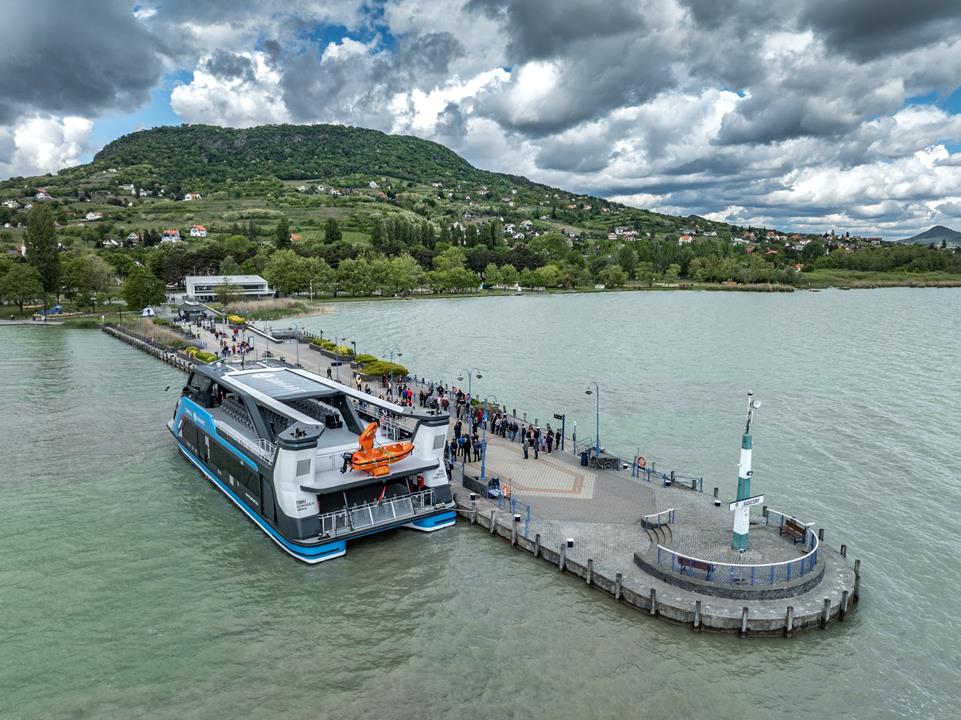
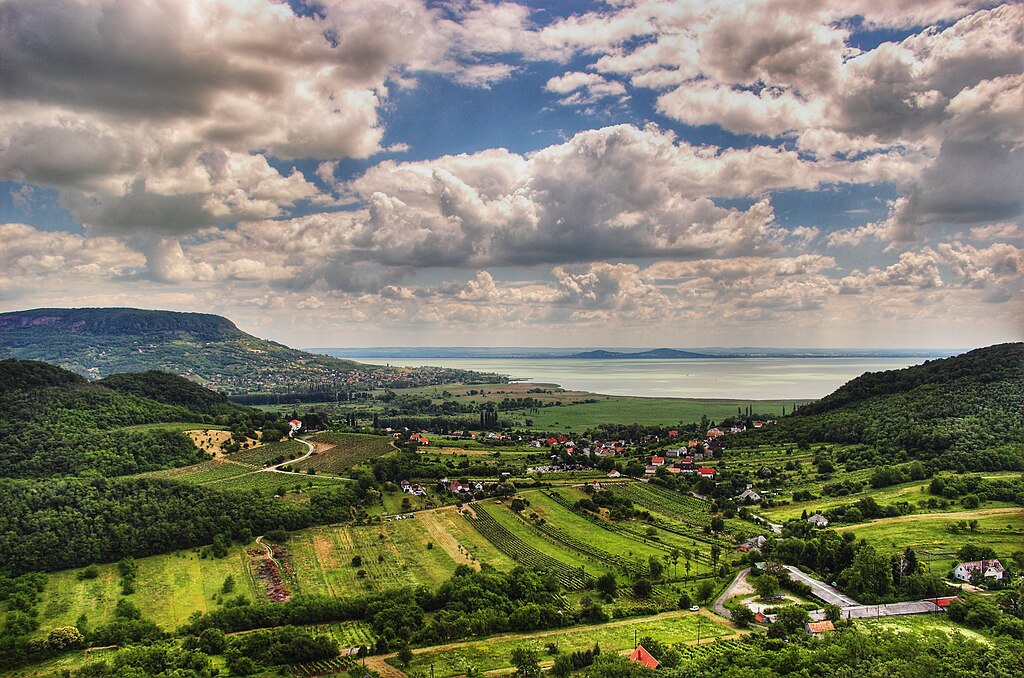
Hungary’s most popular lakes may be drained due to a severe water shortage, and Lake Balaton is also in trouble. Recently, Hungarian media suggested that anyone looking to purchase a holiday home offering good value for money might want to consider the Lake Tisza area instead of the ever-popular Balaton or Lake Velence. However, with severe drought, insufficient water replenishment, and high agricultural water demand, Lake Tisza as we know it could change significantly—or even disappear. Lake Balaton is also facing major issues.
One of Hungary’s beloved lakes could be drained
The Great Hungarian Plain, vital for the country’s agricultural output, is facing serious trouble: June brought almost no rainfall, leaving the soil dangerously dry and threatening crop production. Combined with dramatically reduced water flow in Hungarian rivers and soaring evaporation caused by recent heatwaves, the demand for irrigation water has sharply increased around Lake Tisza—and practically across the nation. Notably, a portion of the city of Szolnok’s water supply also comes from this lake.
- Lake Tisza region emerges as a budget-friendly alternative for property buyers in Hungary

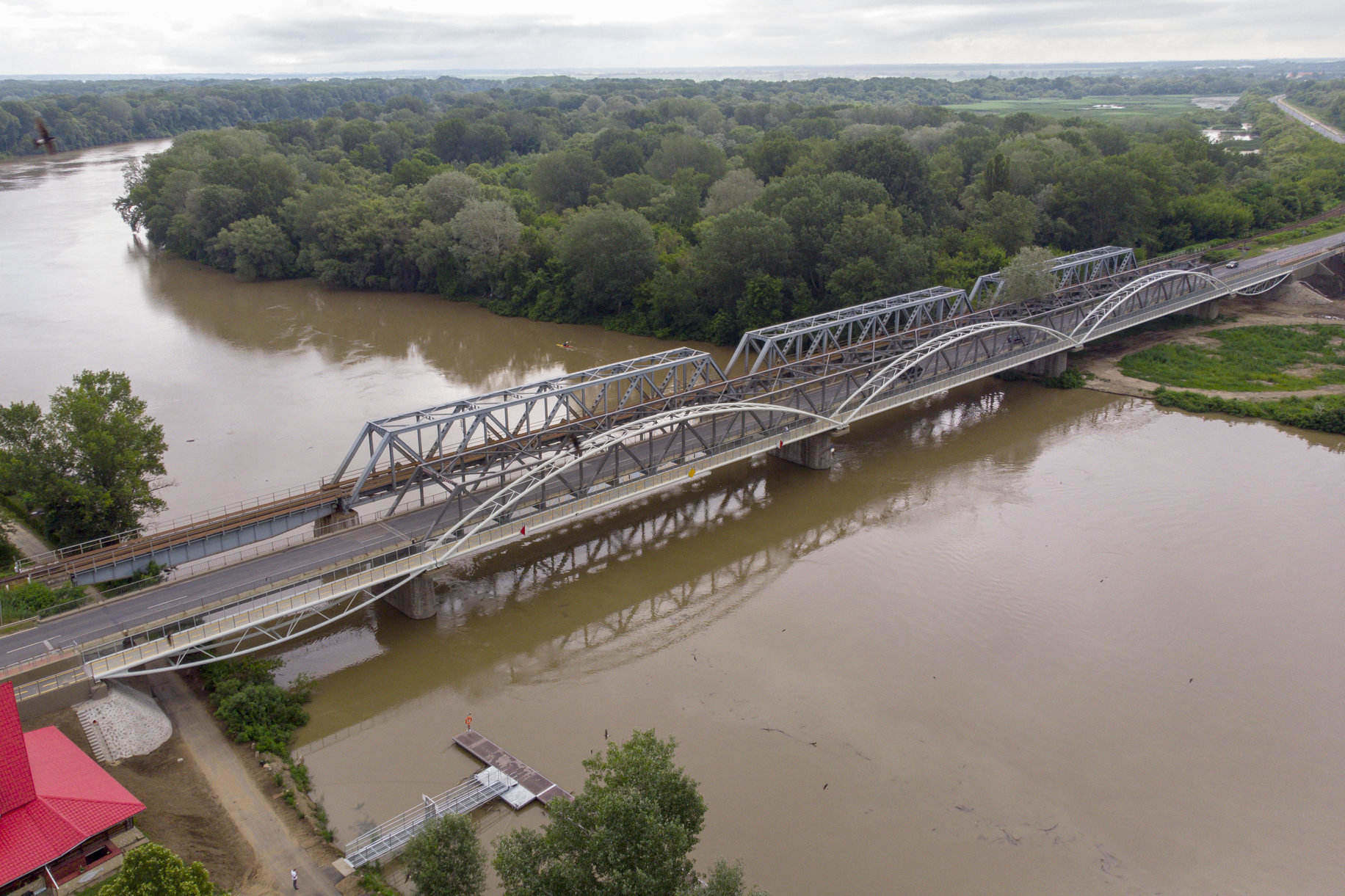
Originally a patchwork of farmland, pastures, and cut-off meanders of the River Tisza, the area now known as Lake Tisza was created in the 1970s when the river was dammed at Kisköre. Over the years, the area underwent several tourism development projects, transforming it into a popular destination for swimming and recreation. Yet, its primary function remains to support agricultural irrigation. In dry years, tourism could quickly take a back seat.
- A unique village was built in Hungary – PHOTOS
It is no surprise that Attila Lovas, head of the Middle Tisza District Water Directorate (Kötivizig), recently announced that if there is no improvement in hydro-meteorological conditions soon, Lake Tisza’s reserve water may need to be utilised to meet demand. “In that case, we must prepare for a gradual drop in water levels in the lake,” he added.
Fortunately, before the onset of this dry period, extra water was stored in the lake, meaning the ecosystem will not be immediately disrupted. Still, in extreme scenarios, visible consequences from falling water levels could follow. The good news: a cold front has arrived in the country today, and forecasts predict substantial rainfall for the parched plains.