


Hungarian researchers uncover DNA link between steppe Sarmatians and Carpathian Basin populations

Change language:
Genetic comparisons of remains from burial sites in the Hungarian Plain and the steppes have revealed a link between the Sarmatians who migrated into the Carpathian Basin and those who once lived near the Ural Mountains, according to researchers from the University of Szeged (SZTE).
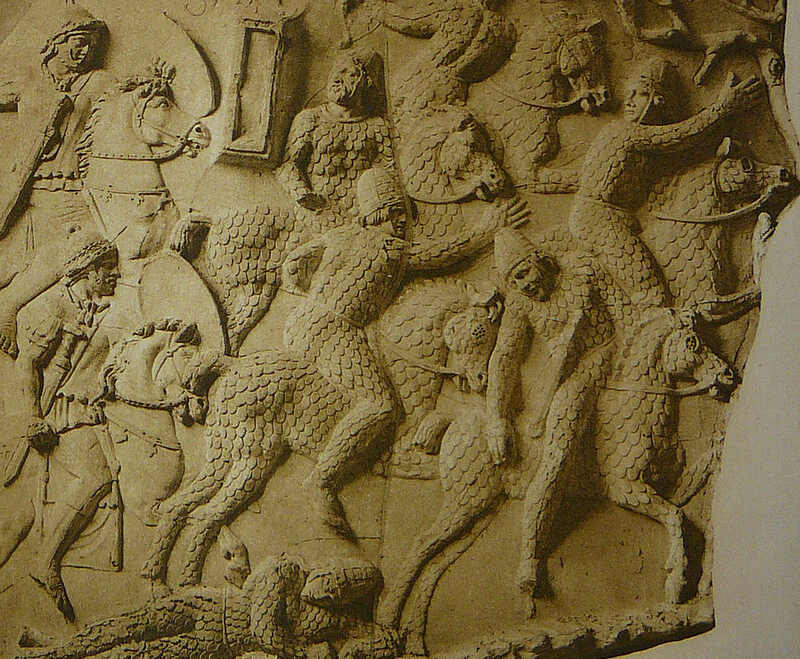
As reported, the name “Sarmatian” in historical sources refers to tribes on the steppes who lived a nomadic, horseback lifestyle. While these nomads shared cultural traits—such as military tactics, religious practices, and clothing—it’s likely they belonged to distinct groups.
Who were the Sarmatians?
The Sarmatians are thought to have originated in Central Asia near the Urals, gradually taking control of lands formerly occupied by the Scythians between the 3rd and 1st centuries BC. By the Roman era, they dominated the steppe regions.
The SZTE team’s research, published in the journal Cell, focused on Sarmatians who had settled in the Carpathian Basin. Historical records indicate that branches of the Sarmatians—namely, the Iazyges and Roxolani—moved into the Hungarian Plain in the 1st century AD.
These groups transitioned from full nomadism, establishing dominance over the entire region. Livestock remained key to their economy, but they also adopted agriculture. During this time, the region saw the development of a robust settlement network with industry and commerce.
What did they find?
The study’s lead author, Oszkár Schütz, a PhD student and member of the archaeogenetics group led by Tibor Török at SZTE’s Department of Genetics, explained that genetic material from 135 Sarmatian graves excavated in the Hungarian Plain was analyzed.