Subscribe to our social channels to get the latest news about Hungary!


At first glance, it seemed like a reasonable decision when the Budapest City Council chose not to renew its two-year contract with Bábolna Bio Ltd. last year, opting instead to take rodent control into its own hands. However, rat sightings have jumped by a staggering 22%, even as the city shells out around 100 million forints more than last year.
What’s unusual this time is that the criticism isn’t coming from a government official or a member of the Budapest Fidesz faction, like Alexandra Szentkirályi, known for her inflammatory comments, but from within the city’s own orbit, via Népszava. The city, under the leadership of Gergely Karácsony, decided last year to terminate its agreement with Bábolna Bio Ltd. and manage rat extermination operations internally.
The responsibility was handed over to Budapest Public Utilities (BKM), with an allocated budget of 527.5 million forints. That amount is significantly higher than the 439.7 million forints paid to Bábolna in 2024. However, the municipality expected additional services for the extra cost.
These include installing so-called “poison zones” at high-traffic intersections, construction sites, and illegal dumping areas, doubling the number of targeted locations from 20 to 40 in 2024. So far, only 15 such installations have been completed. The city also expects BKM to create protective perimeters along urban streambeds.

Despite the higher technical standards outlined in the public service contract and the hiring of 30 new staff, including gas technicians, public health pest controllers, warehouse workers, trained exterminators, and administrative personnel, the public company has proven less effective than its private predecessor. In previous years, summer rat sightings were under 1,500 per month; in June of this year, the figure climbed to nearly 1,800: a 22% increase, one that’s clearly visible to residents.
BKM has pointed the finger at Bábolna, claiming that the company, aware it was being phased out, didn’t carry out its responsibilities effectively this spring. Adding to the challenge was the hot and dry weather, although such conditions have become predictable in recent years. One peculiar twist: According to Népszava, the city’s rat-reporting tool was not accessible on the municipal website. We found that it is, in fact, active.
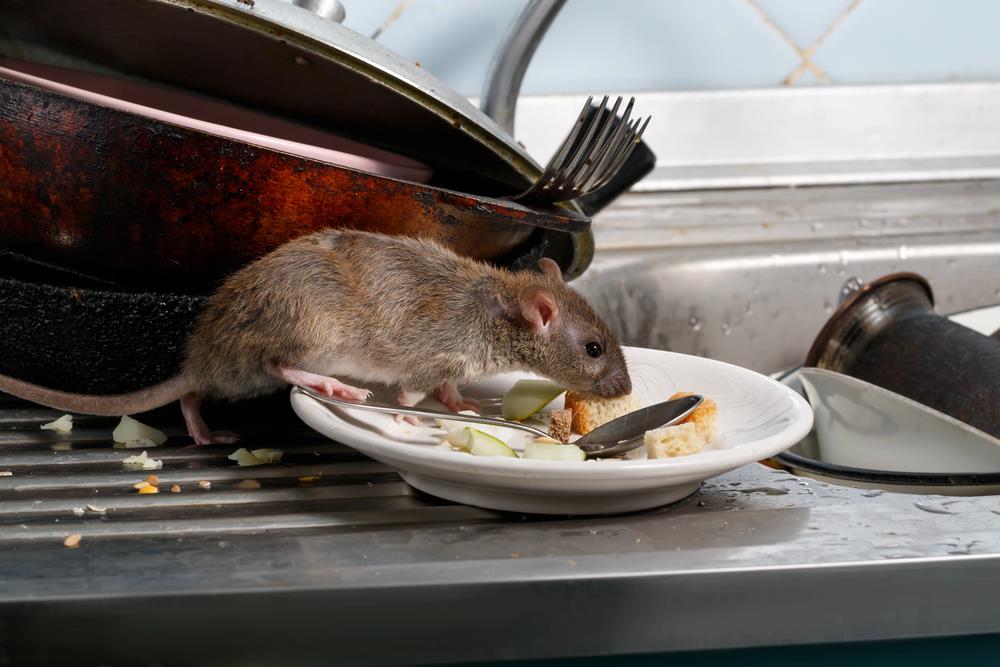
According to Népszava, the rat population in Budapest began surging back in 2018, ending the city’s previously rat-free status. This coincided with the handover of rodent control services by the ruling Fidesz administration to a consortium named RNBH, which, according to some, was unprepared for the task. RNBH, for its part, argued that the problem was already well underway before they took over.
Budapest residents are understandably hopeful that the situation will improve, as rats can spread alarmingly dangerous diseases such as Lyme disease, typhoid fever, dysentery, plague, and hantavirus, which can cause severe respiratory and kidney issues. The threat isn’t limited to bites and scratches: the rodents’ droppings, urine, contaminated food, and even the dust from dried excrement pose serious health risks.
For more news about Budapest, click here.
To read or share this article in Hungarian, click here: Helló Magyar
Read also:


