Subscribe to our social channels to get the latest news about Hungary!


Romania saw a sharp rise in fuel prices and a VAT increase on Friday as the first wave of the government’s deficit-cutting measures took effect.
The coalition government, led by liberal party president Ilie Bolojan, announced on 7 July its intention to slash the country’s ballooning budget deficit, which exceeds 9% of GDP. The primary focus of the measures is to boost state revenues. Despite attempts by the opposition to block the initiative through a no-confidence motion and a constitutional appeal, the legislation was signed into law last week by President Nicușor Dan and came into force on 1 August.
As part of the new legislation, Romania’s standard VAT rate increased from 19% to 21% on 1 August. Several previously lower-taxed goods and services also saw increases. The VAT on food, medicines, firewood, thermal energy, books, newspapers, cultural services, drinking water, sanitation, and hospitality services rose from 5% or 9% to 11%.
Excise duties on alcoholic beverages, sugary soft drinks, and tobacco products were raised by 10%, leading to several percentage points’ increase in retail prices.
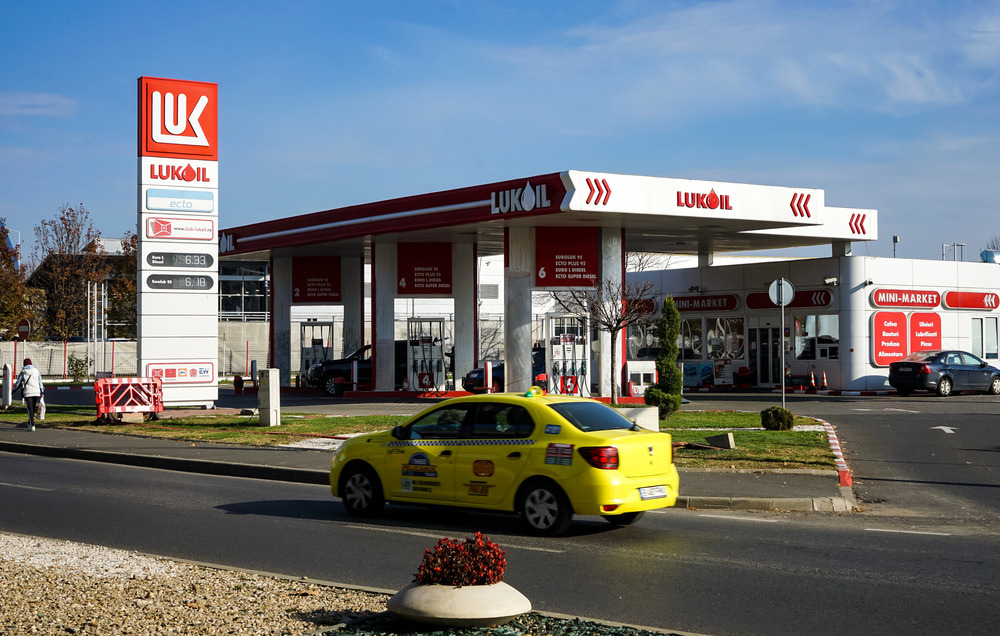
Fuel was also affected: the excise duty on gasoline and diesel increased by 10%, resulting in a price hike of around 40 bani (HUF 31.5) per litre. At a Petrom gas station in Bucharest’s Sector 6, the price of standard diesel rose from 7.37 lei to 7.81 lei per litre, according to Economica.net.
From 1 August, a 10% health insurance contribution (CASS) is now deducted from pensions exceeding RON 3,000 (approx. EUR 591). This includes all pension payouts, such as one-off withdrawals of private retirement savings—a common practice in Romania. On top of that, a 10% income tax is applied to the portion exceeding the RON 3,000 threshold, or to profits from private pension yields.
Sick leave payments have also been reduced by 10 percentage points. Additionally, free health insurance coverage for unemployed family members—spouses or parents previously covered through an insured relative—has been eliminated. These individuals must now pay into the system to access public healthcare services.
This first round of fiscal reforms also includes tax hikes that won’t kick in until 2026. The dividend tax on company profits will rise from 10% to 16%, and new levies will be imposed on banking profits and gambling revenues.
According to a report by ING, in 2024, Romania recorded the worst budget deficit in the European Union at 9.3% of GDP, which is 3 times the deficit the EU allows. Thus, these measures have been deemed necessary. Romanian residents are bracing for more economic tightening, as the government seeks to rein in its deficit through a combination of tax hikes and benefit cuts.
Read more Romania-related news on Daily News Hungary.
Read also:


