


Cargo transport in Hungary in grave danger: authorities may close key Danube bridge because it threatens lives

Change language:
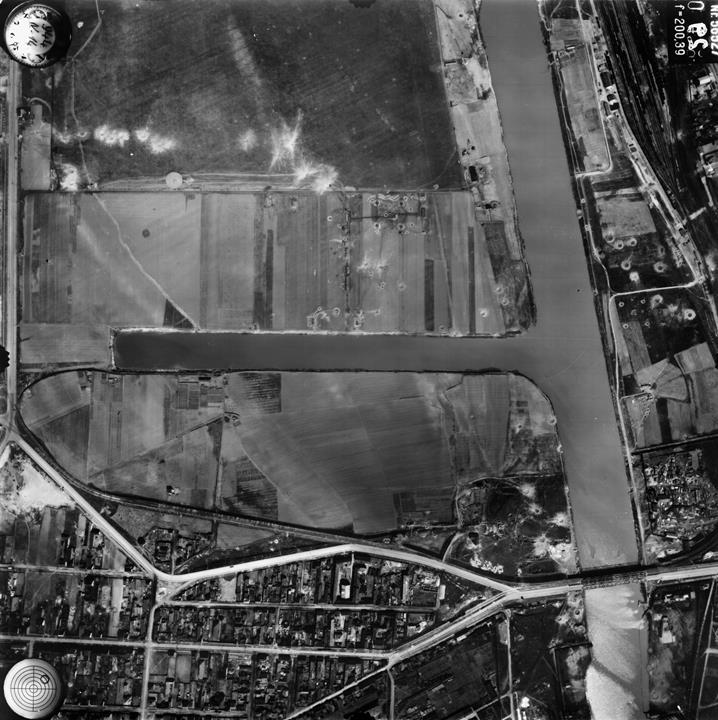
The freeport on the Northern tip of Csepel Island is the beating heart of the Hungarian economy. Without it, one cannot imagine an operable automotive industry (either German or Chinese) in Hungary or even buying new Lego figures produced in Nyíregyháza. The freeport is connected by a skinny railway Danube bridge to the other parts of Hungary (and the world), but authorities may close it due to its life-threatening condition. The closure is not far in the future: it may happen in just months. This may bring Hungary’s ‘Suez crisis’.
Danube Bridge is key for Hungary’s industry
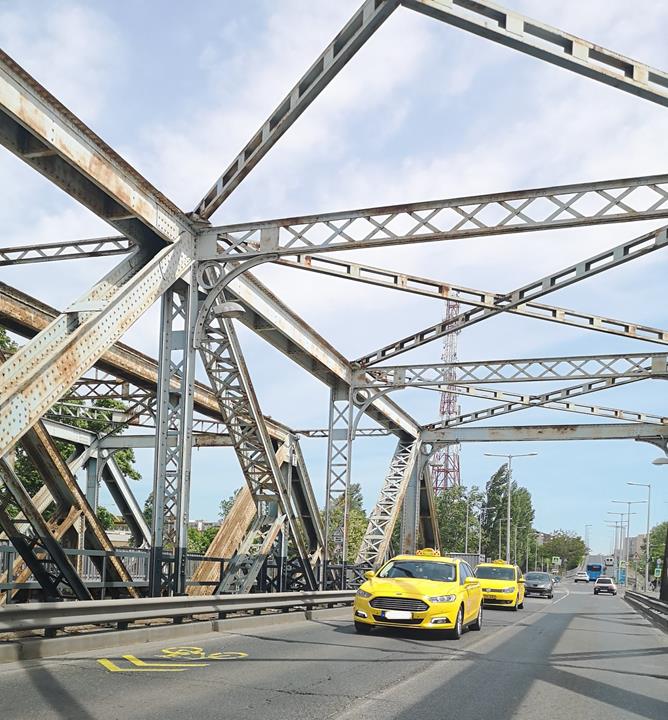
Válasz Online collected all the relevant information in the article and compared the Gubacsi railway bridge (there is another bridge centimetres South for pedestrians and cars) to the Suez Canal. If Hungary loses the Gubacsi Bridge, the results could be similar for our national economy to when a container ship ran aground in the canal in 2021.
Based on estimates, 30-40% of Hungary’s industry depends on the Gubacsi Danube Railway Bridge. That is because Hungary has only one container port, the so-called freeport at the northern edge of Csepel Island.
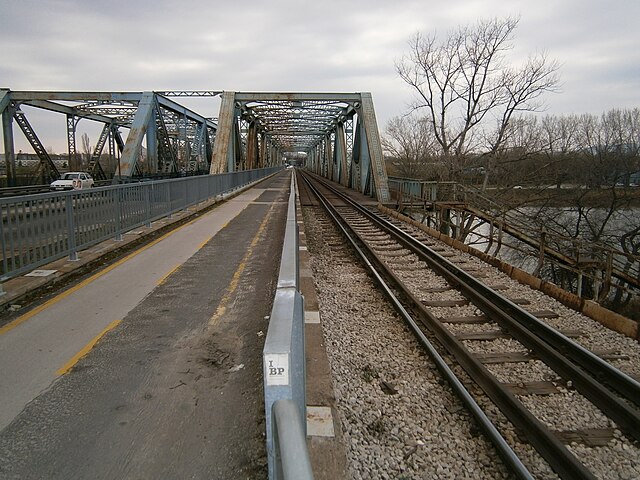
At least 20 cargo trains pass on the 145-meter-long bridge daily. That means cargo volume has increased four times in the last 12 years.
The Hungarian State Railways mentioned a three-month-long closure in January, but logistics companies were outraged. They said such a closure would bankrupt them. Furthermore, they envisaged a court trial since the Hungarian state’s contractual obligation is to allow cargo transport on the bridge at least until 2080.
Reconstruction starts in September
As a result, MÁV will start reconstruction work in September, but they will close the bridge for only 4 days after 10 days of transport. Based on the plans, they will finish by December. However, a MÁV official said that would only be temporary: it could prolong the bridge’s lifespan by 2 years.
Hungary cannot substitute the bridge. That would require 500 trucks each day.
Don’t worry about choking off 30-40% of Hungary’s industrial production due to failing to fix one bridge. Fidesz has borrowed billions of euros to instead soon give you a faster trip the next time you want to go to Belgrade.
This is a metaphor for the whole country. A failure to carry out essential repairs in good time that has devastating consequences for the nation. Hungarian railways are in a shambolic state. Both Poland and Czechia have had high speed trains for a decade or more whereas in Hungary they’re having to lower the already low speed limits on many lines due to the poor condition of the tracks. Not to mention the state of the rolling stock. In most cases the trains were in a better condition during Communism which has to be de facto correct as so much of the rolling stock hails from then but is now 35 years older. Bulgaria recently acquired a huge rake of used but modern, serviceable (air conditioned) IC coaches from DB in Germany. In fact, they’re so good even the Austrians decided to buy some. Hungarians can but dream about such luxury. I had a Country Pass but MAV is in such a poor state I don’t think I’ll bother buying another one.