Intolerable drought in Hungary: Even drought-tolerant grasses are dying – what does the future hold?

Change language:
Even Hungary’s most drought-resistant native grasses are failing to survive in the face of increasingly extreme dry spells, according to alarming new research by the HUN-REN Centre for Ecological Research.
The findings, recently published in Global Ecology and Conservation, are based on field studies in the sandy grasslands near Fülöpháza in the Kiskunság region, where researchers have been monitoring native vegetation for years. In 2022, Hungary experienced one of the most severe droughts in recent memory. A year later, scientists surveyed the aftermath, only to find catastrophic levels of die-off, even among grass species adapted to dry conditions.
Even the toughest grasses didn’t survive
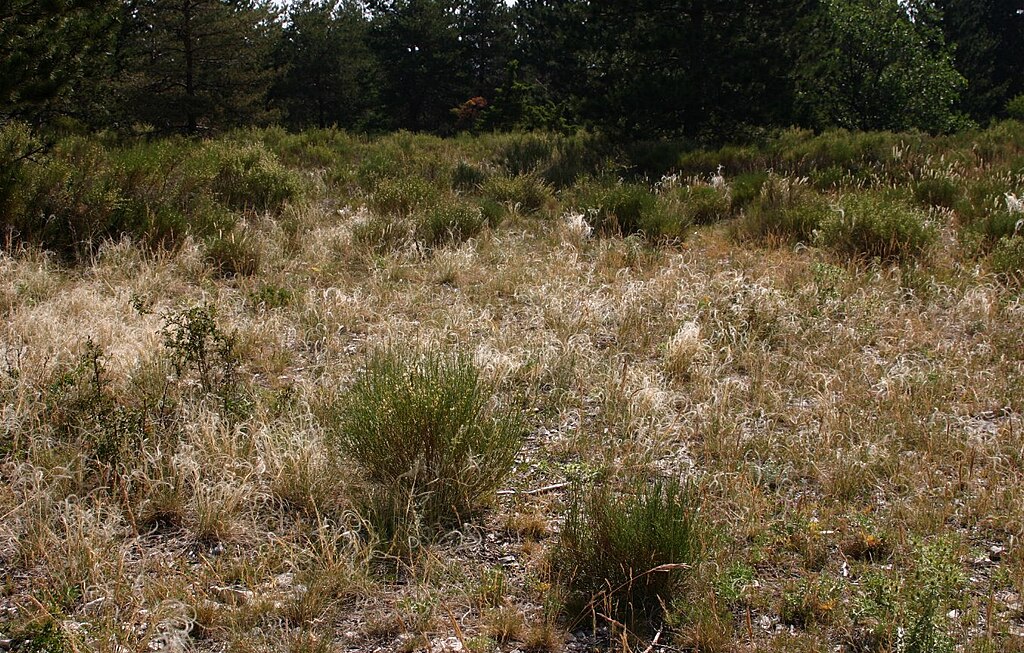
The research focused on two native perennial species known for their drought tolerance: Festuca vaginata (Hungarian fescue) and Stipa borysthenica (steppe feathergrass). Ecologists assessed 200 randomly placed 4×4 meter plots to record how many grass individuals had survived.
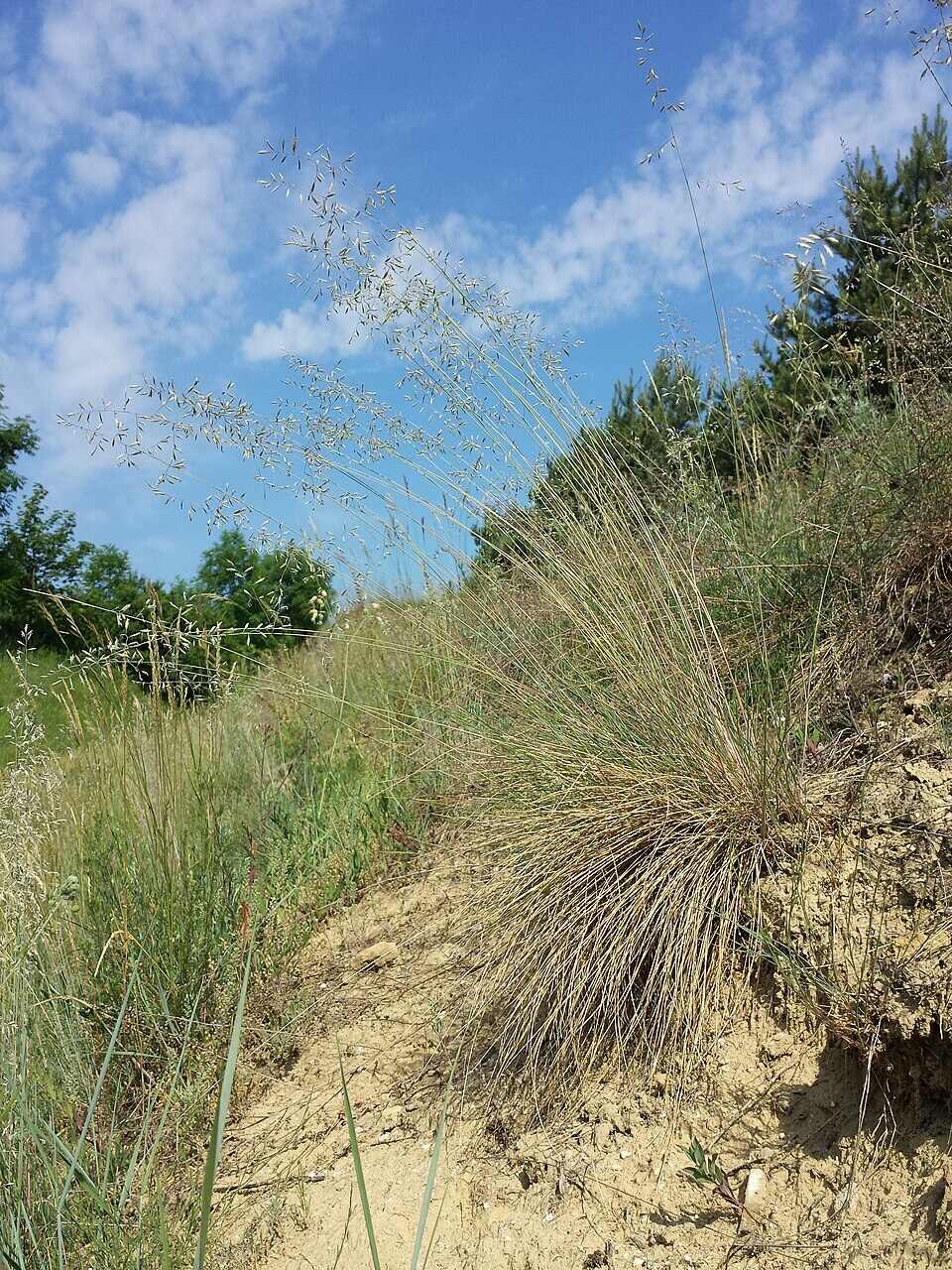
The results were staggering: in 85 of the plots, over 95% of the grasses had died. In 167 plots, at least half of the vegetation was lost. “These are supposed to be drought-resistant species, yet the 2022 drought clearly exceeded even their tolerance,” said Dr. Anikó Csecserits, lead researcher of the project.