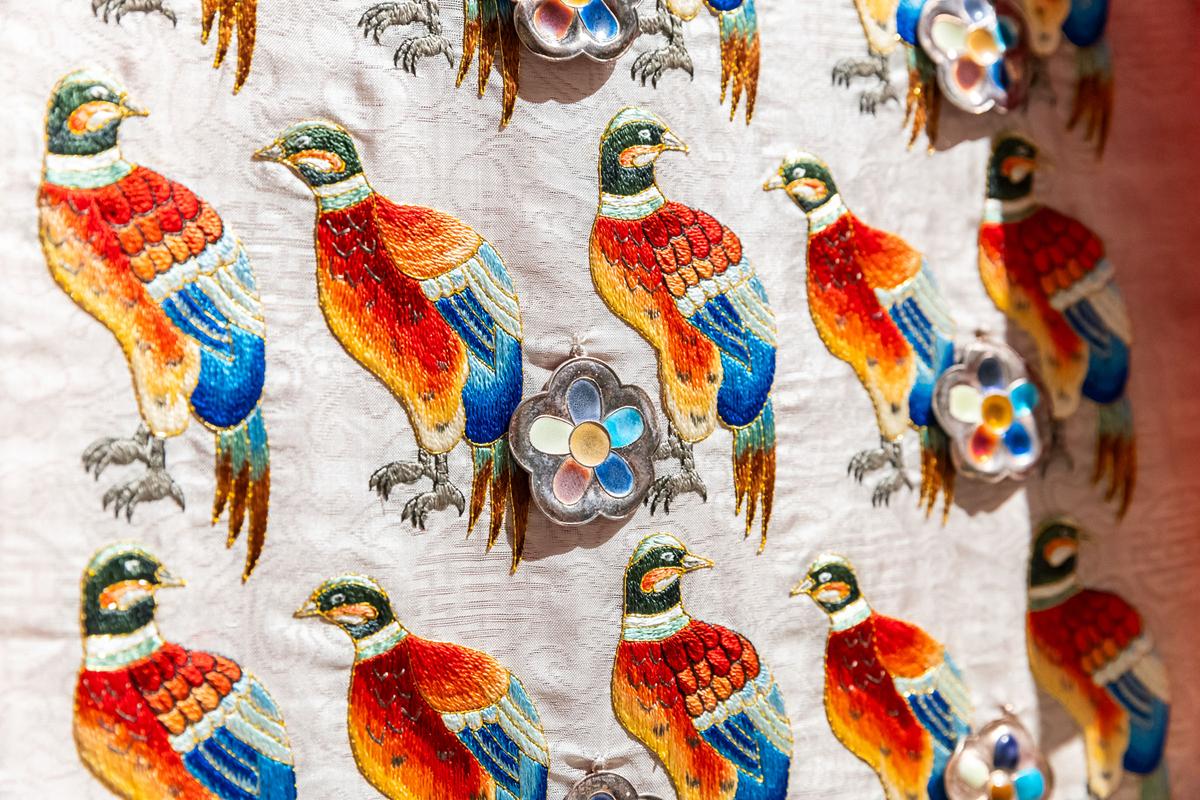
Traditional Korean embroidery exhibition opened in Budapest

Change language:
Visitors can learn about the art of traditional Korean embroidery at a new exhibition that opened at the Korean Cultural Centre in Budapest on 4 April. A solo exhibition by South Korean textile artist Lee Jeongsuk will highlight this unique craft and provide insight into the social structure of the Joseon era.
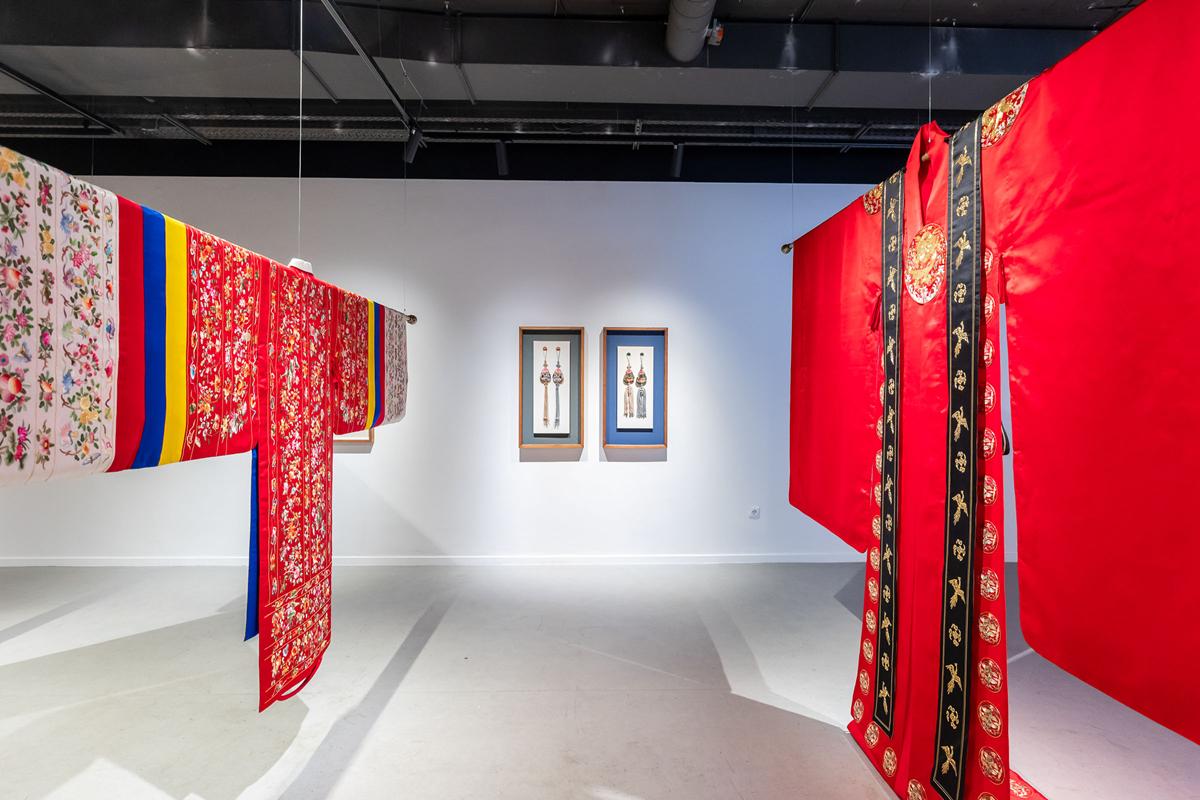
The latest exhibition at the Korean Cultural Center in Budapest brings to life the elegance of Korea’s royal court and its traditional embroidery art. Running for three months, starting 4 April, the showcase features works by textile artist Lee Jeongsuk, who has blended the refined art of Korean embroidery with modern aesthetics over her 40-year career.
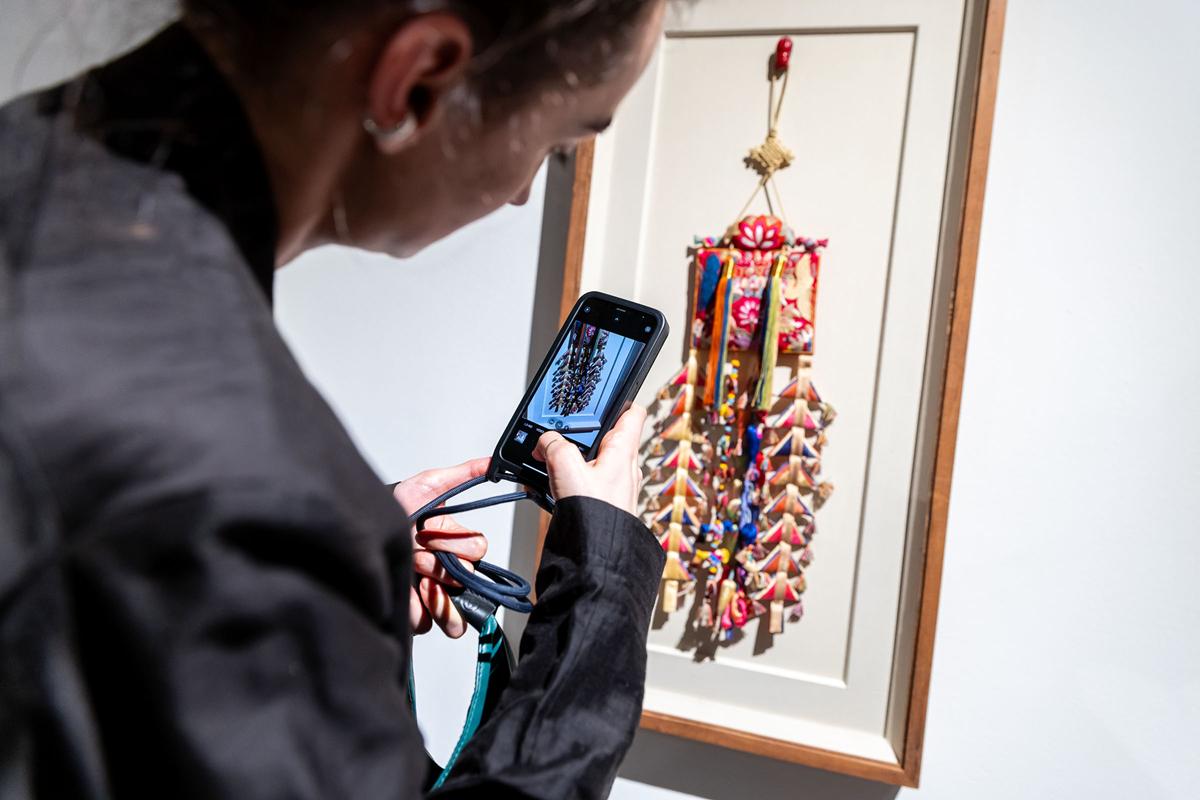
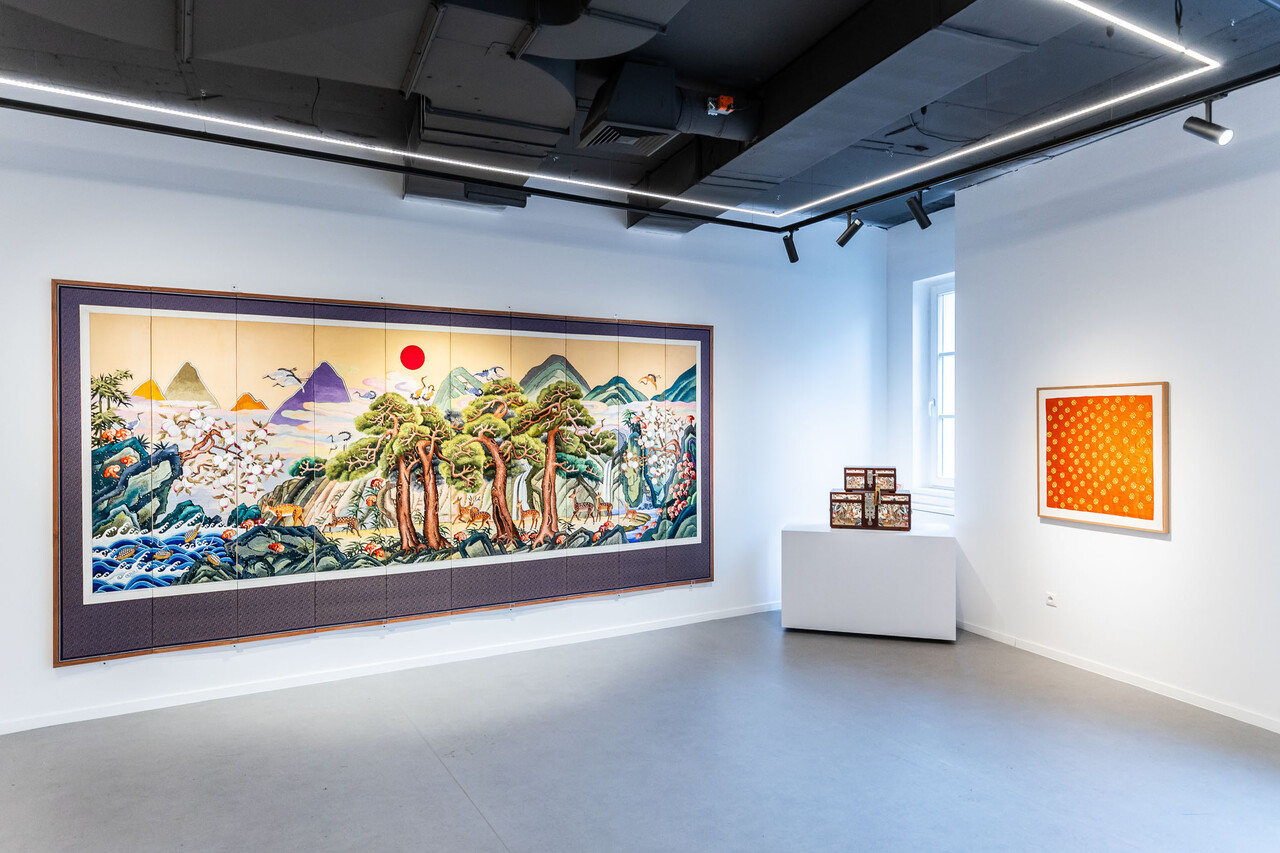
More than thirty original pieces are on display, including royal garments, folding screens, wrapping cloths (bojagi), traditional ornaments (norigae), and Buddhist-themed embroideries. With their intricate stitching and vivid colors, these artworks offer a glimpse into the court culture of the Joseon Dynasty (1392–1897) and Korean folk beliefs.
Joseon – An era that defined Korean culture
The Joseon Dynasty shaped Korea’s social, political, and cultural development for over 500 years. It marked the spread of Confucianism and a flourishing of the arts, including embroidery. These embroidered decorations on royal attire and traditional objects transport visitors into the world of Joseon. The exhibit also deepens understanding of East Asian perspectives on objects and craftsmanship. During this period, court embroidery became a symbol of power and social status, while increasingly playing a role in everyday life. The aesthetic values and traditions of the Joseon era continue to influence Korean visual culture and artisan crafts today.
Past exhibitions at the Korean Cultural Centre have introduced Hungarian audiences to various traditional Korean crafts. Recent showcases included dancheong—the colorful decorative painting on Buddhist temples and royal palaces—and hanji, the traditional Korean paper-making technique. This newest exhibition puts the spotlight on Joseon-era embroidery, which played a key role in Korea’s cultural heritage.
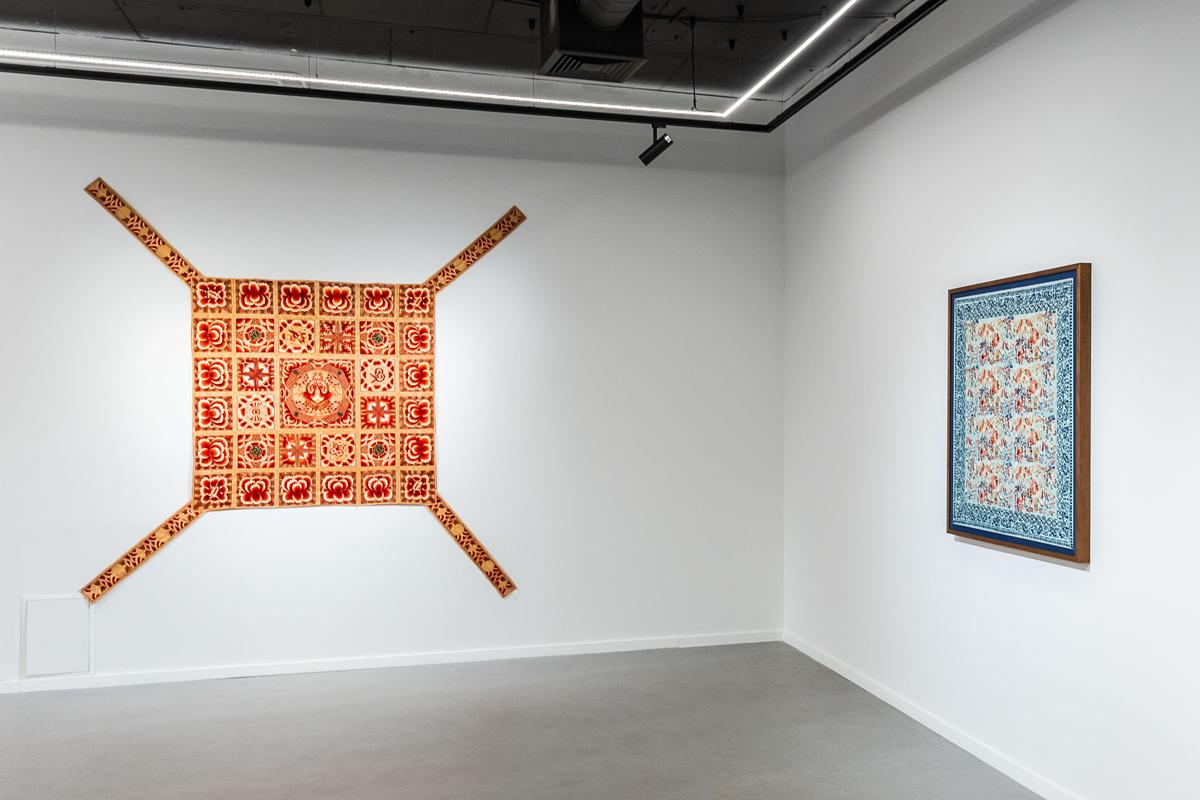
Embroidery as a symbol of power
During the Joseon period, Korean embroidery served as a primary visual indicator of social rank and authority. Royal family members and court officials wore garments adorned with embroidered dragons, phoenixes, peonies, and other symbolic motifs that denoted status and emphasised royal stature.
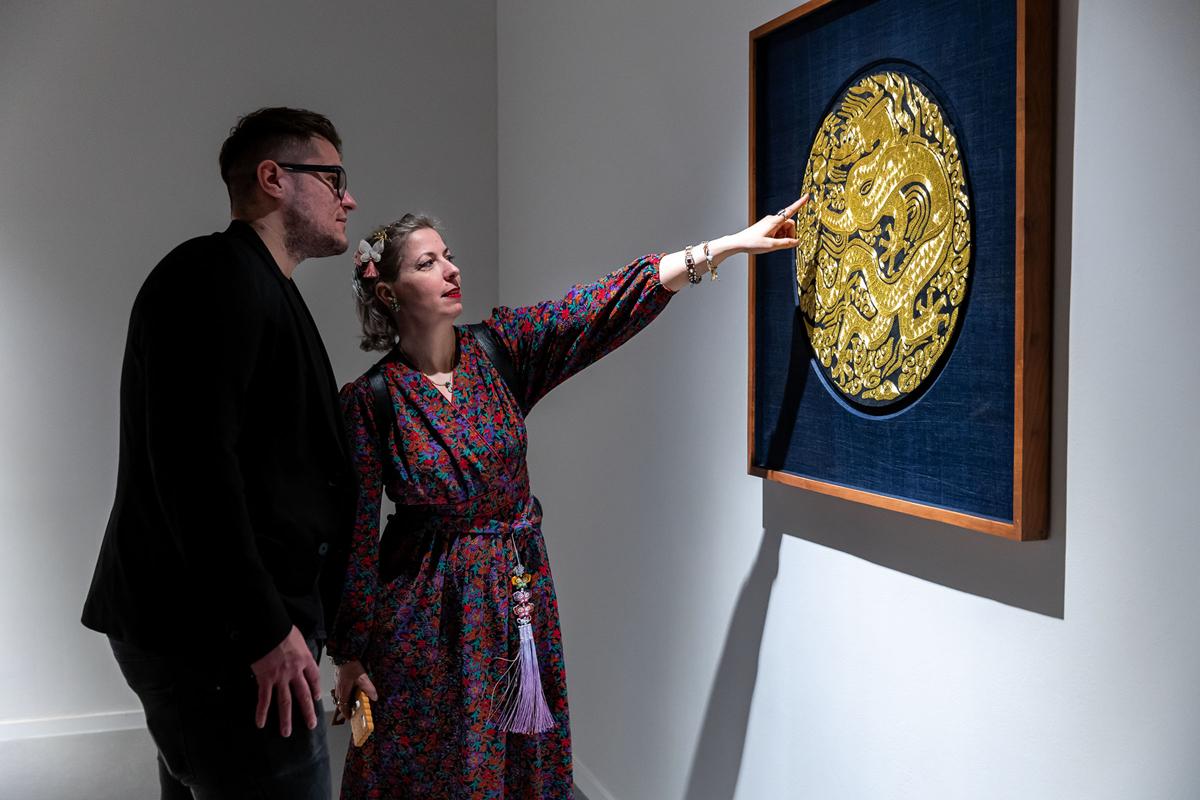
Visitors to the exhibition can admire the five-clawed dragon embroidery of Yi Seong-gye, founder of the Joseon Dynasty, which symbolised the dynasty’s protective and authoritative role. The phoenix motif, seen on the queen’s attire, represented nobility and dignity. Military officials displayed rank badges (hyungbae) embroidered with tigers and other mythical creatures, while civilian officials had cranes and clouds on their garments. Wedding attire, like the hwarot bridal dress worn by royal brides, also featured intricate embroidery and held significant ceremonial meaning in the Joseon court.