Subscribe to our social channels to get the latest news about Hungary!


The Hungarian government’s desired reduction in petrol prices, ranging from HUF 40 to 60 per (EUR 0.10 to 0.15) litre presents a considerable challenge. While measures such as shorter opening hours and layoffs may help mitigate costs, achieving such substantial reductions solely through these methods appears unlikely.
According to vezess.hu, the government is criticised for overtaxing fuel and then shifting blame onto other factors when attempting to address high prices. László Gépész from the Association of Independent Petrol Stations likens this approach to oversalting soup and blaming carrots for not making it less salty.
Economy Minister Márton Nagy recently met with industry leaders, urging them to lower fuel prices to regional averages. However, questions remain regarding how this will impact consumers at the pumps.
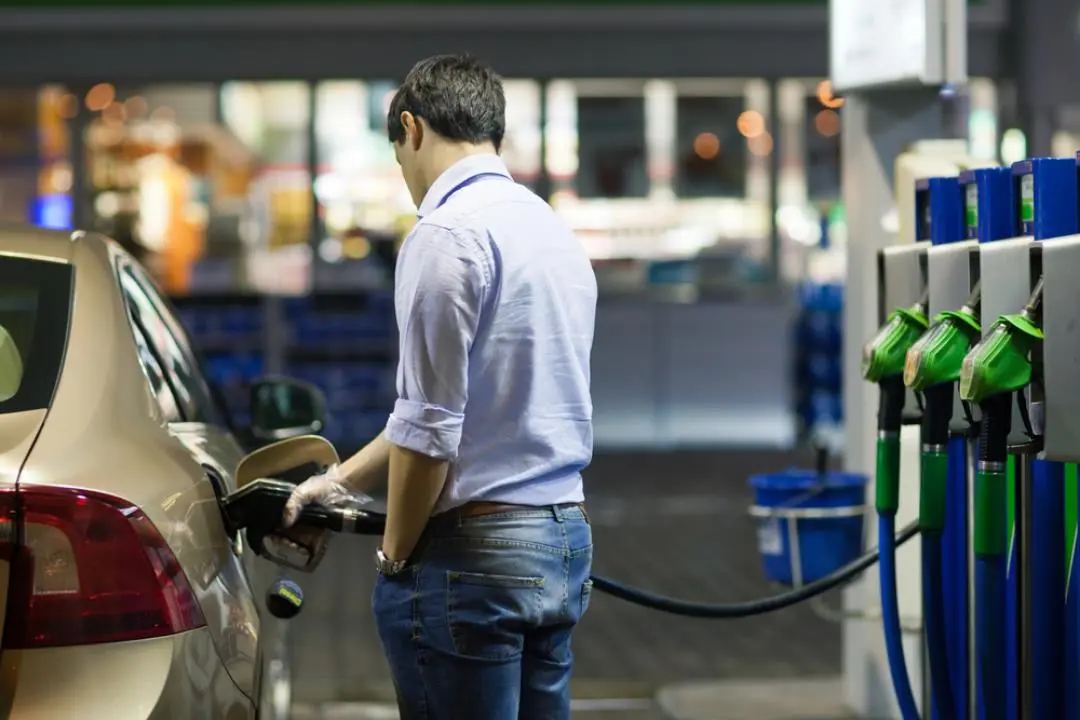
Ottó Grád, the secretary general of the Hungarian Petroleum Association (MÁSZ), expressed reservations about reducing fuel prices despite requests to do so. He highlighted that the current prices were adjusted earlier in the year due to changes in tax elements. These changes included an increase in excise duty and an additional 3% retail tax for petrol station operators. Grád emphasised that there is only a minimal profit margin in fuel retailing, contrary to claims of extra profits. As such, any reduction in prices may impact service quality due to the already narrow profit margins.
Grád highlights the challenges faced by petrol stations in implementing price reductions. He emphasises that even a slight price reduction necessitates significant cost-saving measures, such as reducing service quality through shorter opening hours and layoffs to lower labour and electricity expenses. However, these measures result in diminished service standards, as exemplified by early closure times. The secretary general advocates for increasing wages rather than laying off workers to maintain service quality. Despite these efforts, achieving the desired fuel price reduction of HUF 40 to 60 per litre remains unfeasible.
The general secretary of MÁSZ asserts that the petrol station operators are unaffected by factors such as the number of employees, raw material prices, exchange rates, taxes and energy prices. He emphasised the development of a world-class network of service stations in Hungary over the past decades. However, he expressed concern that the high quality of service is now jeopardised due to current challenges.
There is a perception of discord within the government regarding fuel prices, with Finance Minister Mihály Varga suggesting that Hungarian fuel prices are relatively average in Europe when taxes are excluded. However, another government member implies that not everyone shares this view. The vice president of the Association of Independent Petrol Stations highlighted that a significant portion of fuel prices are allocated to taxes, indicating a desire for motorists to understand where reductions could occur. Despite this, achieving cheaper fuel remains a priority for car owners.
Hungary’s taxes are not to blame for high fuel prices, the finance minister said on Monday, adding that taxes on fuels were among the lowest in the European Union. Mihály Varga said on Facebook that the price of regular petrol contained 46 percent tax in Hungary, while in Austria that ratio was 52 percent, in Germany 55 percent, and in Slovakia and Czechia 49 percent. Citing figures from the European Commission, Varga said the highest taxes on fuels were levied in Finland, Greece, Ireland, Malta and Italy, with a uniform 56 percent.
Read also:


What happened to the Fidesz triumph of carving out an exemption from EU sanctions giving Hungary the ability to purchase all the Russian oil and gas it wants. Why hasn’t that given Hungarians lower prices? As an aside have a look at the long-term share price of MOL. It’s one of the worst oil company stocks you can own but huge amounts of share ownership are held by two universities connected to the party that were given special status by Fidesz. Where are the profits going that MOL should be making on these special Russian deals that no one in the rest of the EU has? I wouldn’t trust anything in their financial statements.
He forgot to mention that on the 46% tax on fuel there is another 27% VAT, which is the highest in Europe.
Exactly! Both of you are right! Fidesz is scamming the Hungarian people again!