Subscribe to our social channels to get the latest news about Hungary!


Historians, folklore researchers, and linguists have been studying Hungarian mythology and pre-Christian religious beliefs for centuries. Mythological ideas can be reconstructed based on folk beliefs, folk tales, legends, archaic folk prayers, and folk customs. We have already offered a glimpse into this world through several mythological creatures, legendary heroes, and sacred animals. Now, we will introduce the most important elements of ancient Hungarian paganism and its worldview.
Similarly to other European nations (e.g. the Slavs), there are no surviving Hungarian mythological texts (like the Norse sagas), but the ancient belief system can be restored to some degree with the help of the available fragmentary data. Such a reconstruction is methodologically substantiated, and the Baltic and Slavic mythologies exemplify that it is not merely a theoretical solution. The three mythologies show many similarities typologically and in terms of the level of social development since the mythological ideas were preserved in the folklore of the peasantry.
An interesting feature of the Hungarian folk belief is the extent to which the individual mythical figures or elements are connected to certain fields or genres. For example, the stratification of the underground world is only indicated by certain incantations, witch trials and folk tales serve as the main sources of Hungarian beliefs connected to witches, and the custom of equestrian burial from the period of the Hungarian conquest of the Carpathian Basin suggests that the practice of horse sacrifice was an important element of Hungarian culture. The ancient mythology and religion of our nation were linguistically, ethnically, and regionally fragmented. Hungarians’ pre-Christian religion was not institutionalised, but they worshipped certain higher beings, sought their help, and offered sacrifices to them.
According to Magyar Elektronikus Könyvtár, Hungarian shamanism divided the world into three realms: the upper, the middle, and the lower or other realm. The upper realm belongs to the gods, the personified planets (Sun and Moon), and the stars. Humans populate the middle realm, but supernatural creatures (various spirits, forest and water creatures) and people with supernatural abilities (shamans, witches) can also be found here.
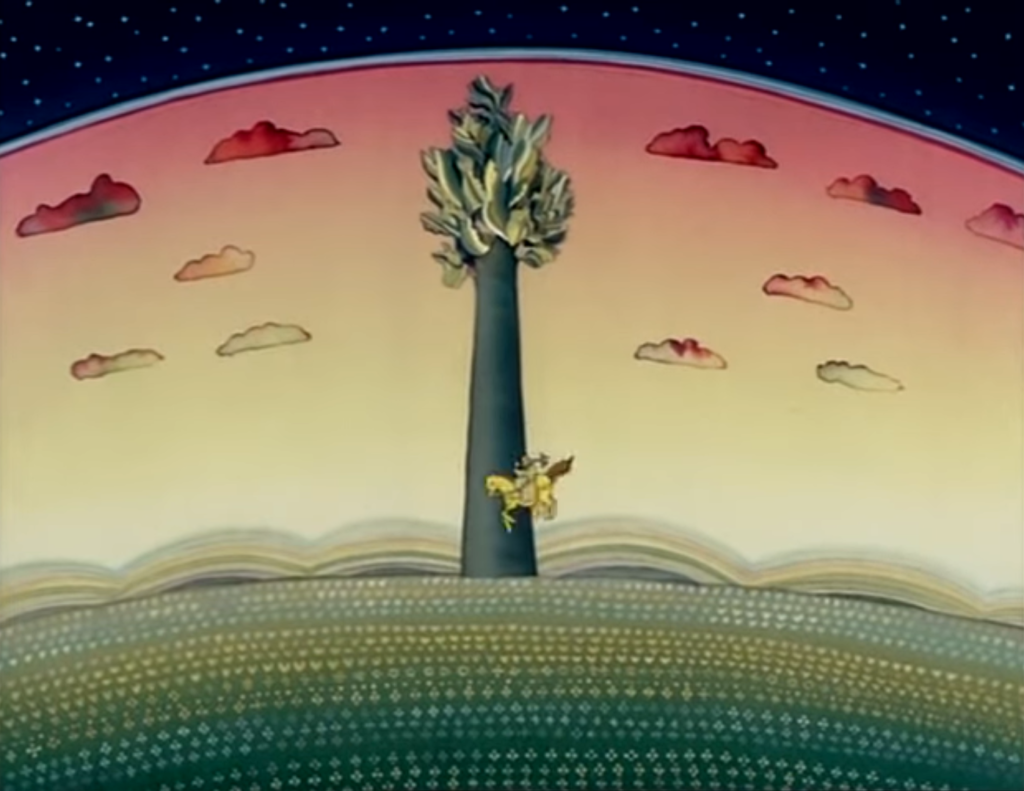
A central element of the Hungarian mythological worldview is the ‘sky-high tree’ or ‘tree of life’ (‘égig érő fa’ [eːgɪg eːrɜː fɑ] or ‘életfa’ [eːlɛtfɑ] in Hungarian). The image of a tree reaching up to the sky and connecting the three realms frequently appears in folk tales. Only a hero with shamanic abilities can climb this huge tree and reach the silver and gold castles of the Moon and the Sun.


Very interesting, Informative! Well Done!
Interesting!
How is this so interesting to ne, I geniuely do not know at all