Subscribe to our social channels to get the latest news about Hungary!


Budapest, nicknamed the „Spice of Europe”, tends to amaze foreigners with its irresistible gastronomic specialties. This time; however, we would like to show you some peculiarities of Hungarian cuisine. Hereby, we list the TOP10 weirdest Hungarian dishes that may shock foreigners at first sight! Which one would you dare to try?
Previously, you could learn about the most famous Hungarian gastronomic specialties, as well as the TOP 5 Hungarian dishes named after famous people. Still, there are quite a few dishes that do not even seem edible at first glance. This peculiarity inspired us to collect the TOP10 weirdest Hungarian dishes. No need to worry, their mouthwateringly delicious taste makes up for their odd look. Just be brave and give them a shot!
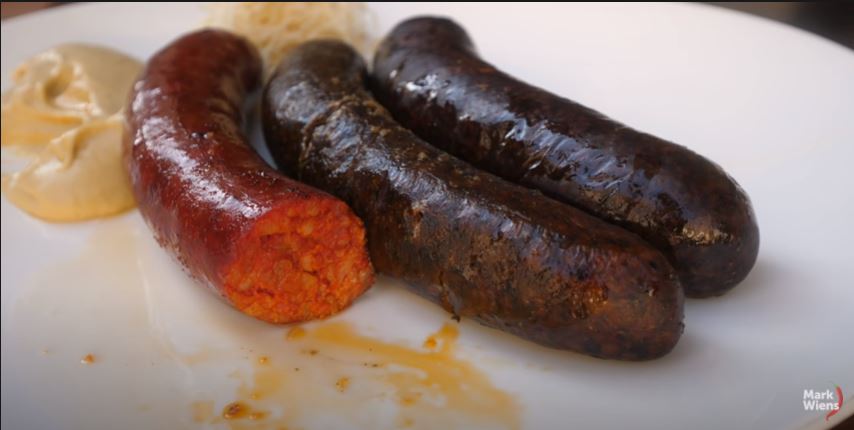
Bloody food may sound barbarian at first. However, blood sausage and pan-fried pig’s blood are common winter dishes in the country. Hungarians usually start their day with a big plate packed with these delicacies on the days of the traditional pig slaughter. These two dishes are usually consumed with bacon, pork, rice, onion, salt, and various herbs and spices. In addition, a few rounds of homemade pálinka are also a must on these occasions.
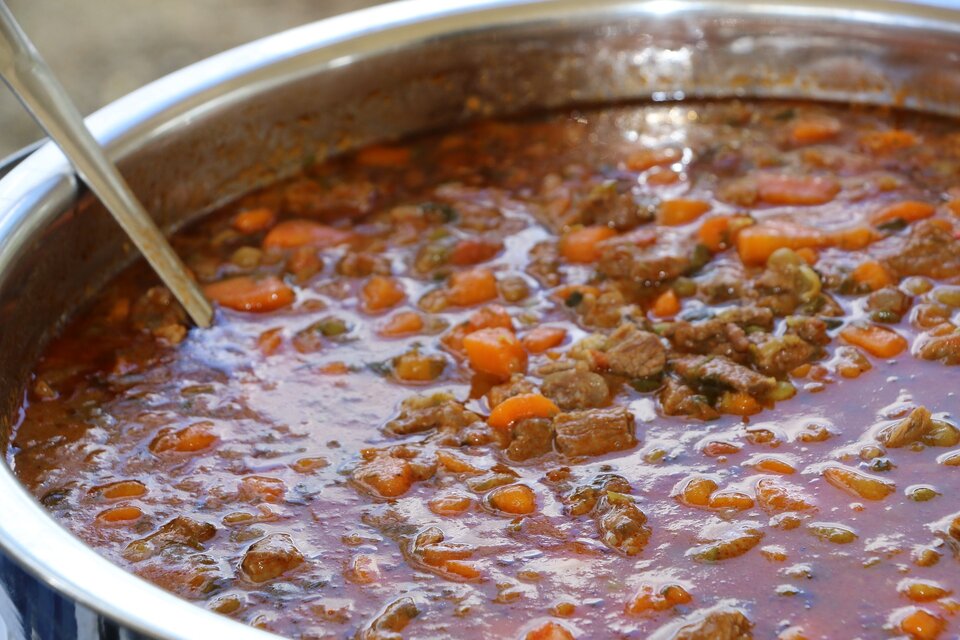
Besides blood, kidney and brains are also present in Hungarian cuisine. As Melodin reports, we can conclude that most of the weirdest dishes can be linked to pork intestines in Hungarian gastronomy. These organs are usually prepared in the form of special stews. Despite their unpleasant texture and smell, their taste is really appetizing. That is the reason why they are so popular among Hungarians. However; as a foreigner, the look may put you off at first sight.
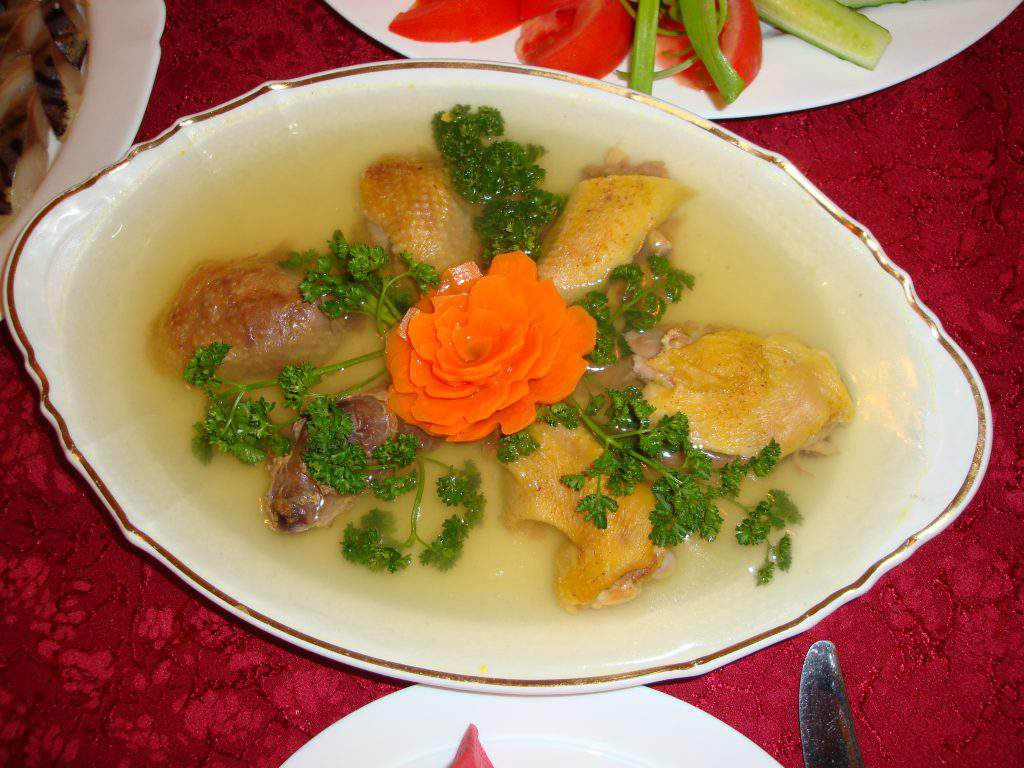
The savoury aspic is a gelatinous version of the traditional Hungarian soups that are made of meat stock or broth. The dish is very popular among Hungarians who usually prepare it as pork jelly and serve it as an appetizer. This dish is usually made with pork meat and pig leftovers. In addition, celery, beets, onions, and garlic are also added occasionally. Besides Hungary, the aspic jelly is widely consumed in Croatia, Serbia, Poland, the Czech Republic, Romania, Greece, and Ukraine.

Although it sounds a bit bizarre, the rooster testicle stew is a popular dish in Hungary. It is usually served with cottage cheese chutney. Its most important ingredients are rooster testicles, onion, pepper, and tomato. The dish is seasoned with salt, pepper, cumin, paprika, bay leaf, marjoram, and garlic cream. It is often present on the menus in Hungarian restaurants, so this stew is definitely worth a try when you are in Hungary.
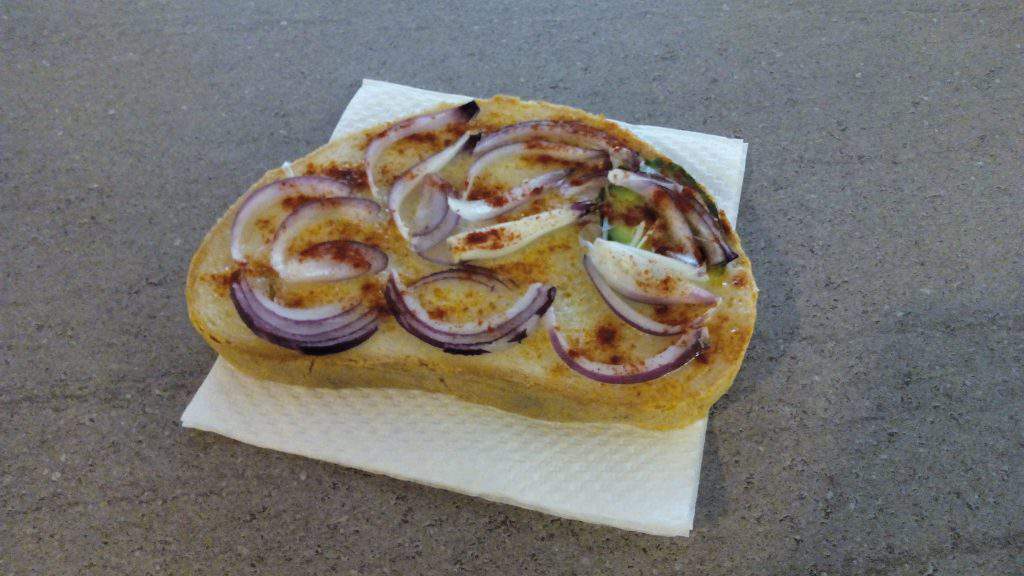
Although it is not common to spread fat on bread in other countries, in Hungary the bread with fat (zsíros deszka) is a popular specialty that has been consumed for centuries. This weird Hungarian dish can be easily made at home as well. All you need is white bread, fat, red onion, and some salt on top. To prepare your „zsíros deszka” (fatty board in English), you can choose from several types of fat: pork, mangalitsa, goose, or duck. Although this dish cannot be called low-calorie at all, you should definitely try it for its irresistible taste.




More nonsense. Aspic is widely used elsewhere, especially in France. Adding chocolate powder or jam to semolina is also common elsewhere. Túro is not the same thing as cottage cheese, the taste and texture is very different and in any case, Chocolate Cheesecake is quite popular in Western Europe and the US so the combination is not unusual. Pottage is widely eaten as a main course in African countries and to some extent in the Middle East and was staple peasant food in the West since Roman times, blood sausage is known as Black Pudding in the UK and is also widely consumed in France where it is called Boudin Noir…. need I go on? A bit of research would not go amiss before claiming everything is Hungarian.
Dear Kati,
We do some research, but we are a news website with occasional cultural content, writing articles daily, and not an academic gastronomy site.
However, the article did not claim that these dishes originate from or can exclusively be found in Hungary.
And while it is true, that ‘túró’ is not the same as ‘cheese’, it is a realia, and foreign websites, such as Michelinguide for example, use the word ‘cheese’ to describe ‘túró’. It is a matter of consistency.
Dear Peter, I wrote cottage cheese. I did not suggest that Túro is not cheese. The sub headline says cottage cheese. Likewise, the main headline says ‘weirdest Hungarian’ which quite clearly implies that these dishes are Hungarian. Anyway, it’s not important.
Sorry, I left out ‘cottage’ in my previous answer, but the point still stands.
Yes, the title says Hungarian, but by meaning, it also describes things Hungarians eat, be it a cultural or gastronomic phenomenon. The term Hungarian does not exclude the idea of it being eaten or present in any other culture on the planet. It merely suggests that these dishes are prevalent in Hungarian culture, which they are. The article claims nothing you just commented before.
Dear Peter, since you seem to acknowledge that these dishes are widely eaten elsewhere, why would these dishes “shock foreigners” as the headline purports? By your own admission they are “eaten or present in …other culture(s)” and thus would not “shock foreigners” since they already eat them or are familiar with them. Ergo, my point stands.
Why am I not surprised reading only two Hungarians disputing in the comments? It is a real Hungaricum.
I agree with the first couple of dishes, however none of the desserts should be on this list. They are not at all shocking to a Hungarian or a foreigner, e. g Greeks, Russians also have Turo Rudi like desserts, so called cheese cake bars.