Subscribe to our social channels to get the latest news about Hungary!


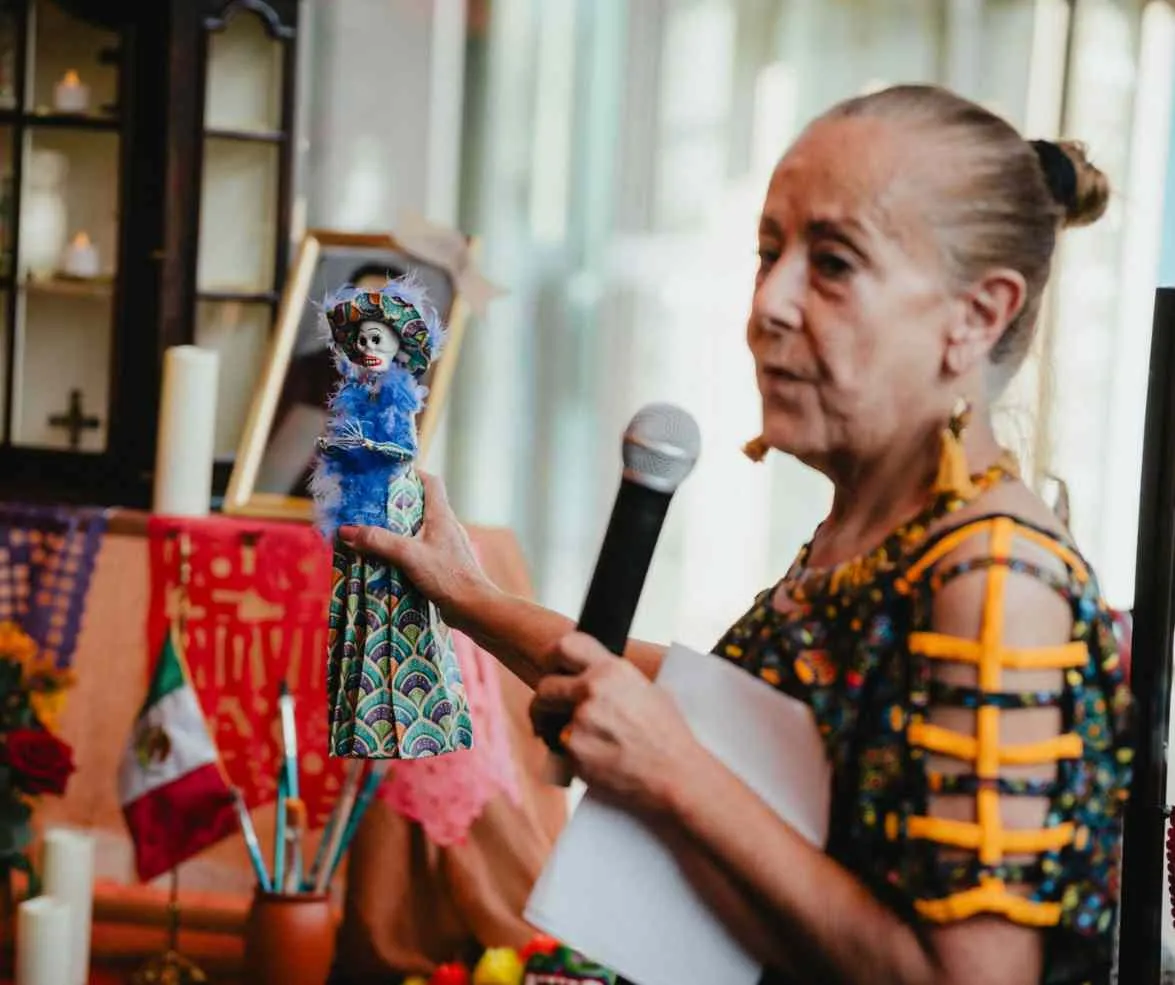
In a city more familiar with mist and mourning at this time of year, Budapest was recently steeped in marigolds, copal smoke and the earthy tang of Mexican spice, as Día de Muertos – Mexico’s most soulful celebration of life and death – made its vivid debut at TODO, an authentic Mexican restaurant in the heart of the Hungarian capital.
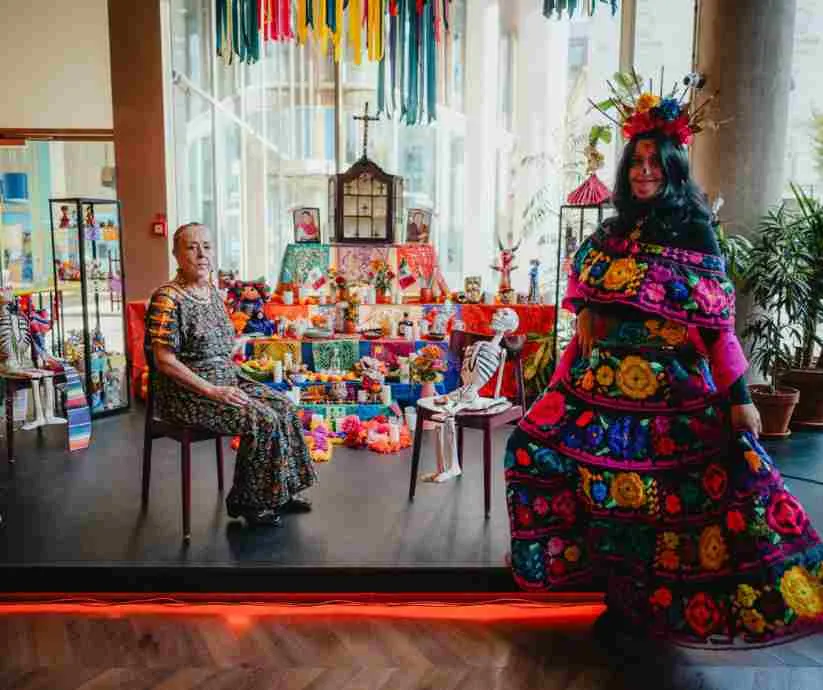
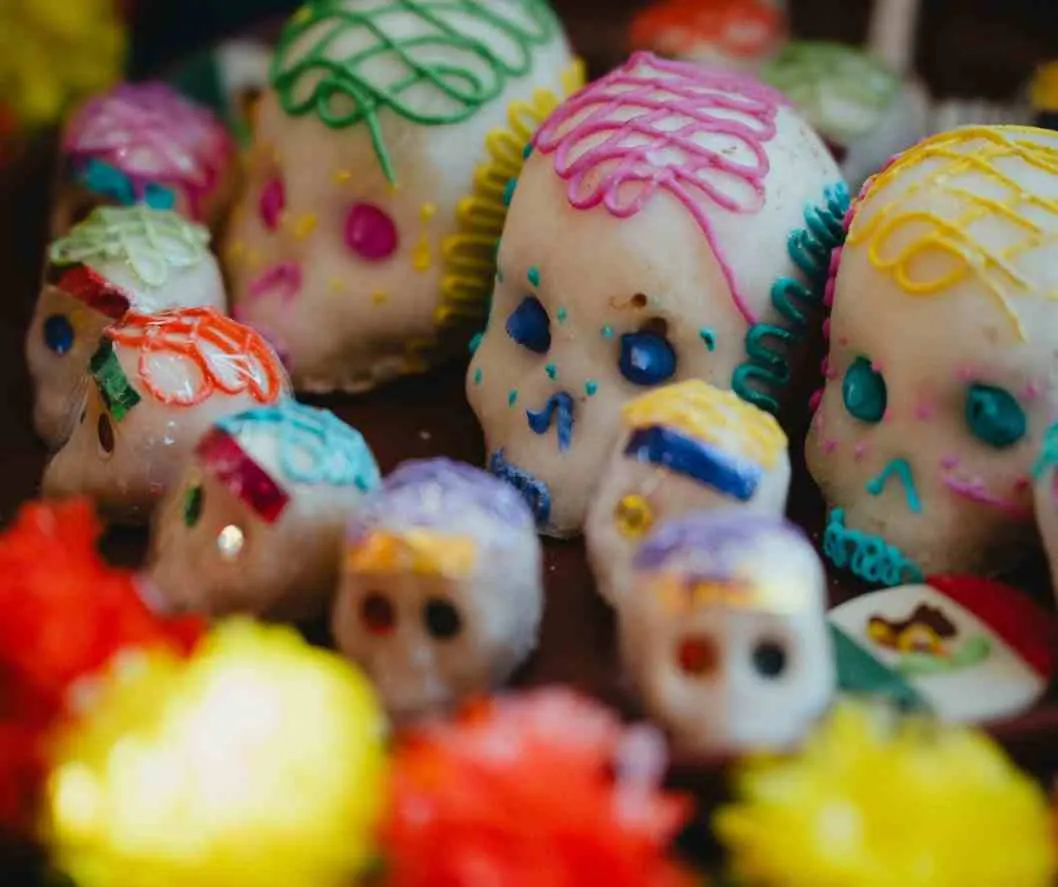
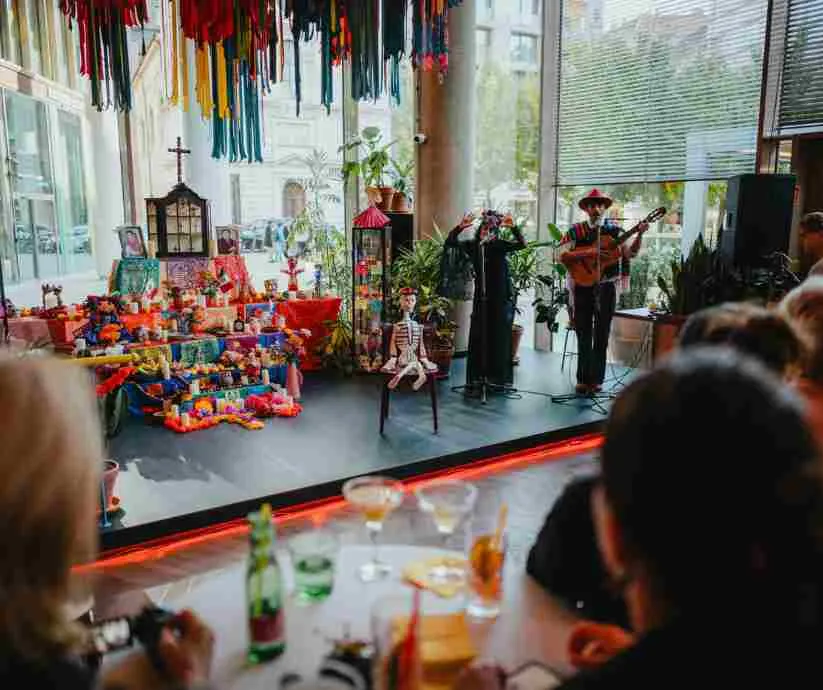
The Día de Muertos celebrations began with Mexico’s Ambassador to Hungary, Rosario Asela Molinero, unveiling a richly decorated ofrenda, the traditional altar to honour the dead, at TODO Mexican Kitchen in central Budapest. Dedicated to Frida Kahlo and Diego Rivera, the shrine featured portraits of the artists set above a table crowded with marigolds, sugar skulls, various sacred items and tiny clay figurines all closely related to Día de Muertos – an elaborate balance of memory, ritual and colour.
“Día de Muertos is a weeklong journey through our history, our families, our emotions,” said Ambassador Molinero. “Back home, remembering the dead isn’t such a quiet or sombre thing like it is in Hungary – we do it with food, music and dancing, sometimes right there at the cemetery. We honour everyone – the loved, the forgotten, and the good and the bad in all of them.”
Unlike the commercially driven Halloween, Mexico’s Día de Muertos is a profound, layered celebration. Its roots stretch back to pre-Hispanic civilisations, where the line between the living and the dead was believed to blur once a year. Recognised by UNESCO as part of humanity’s intangible cultural heritage, Día de Muertos is both deeply spiritual and richly communal.
The ambassador walked guests through the days of remembrance during Día de Muertos, each dedicated to a different group of souls: from those who died in accidents (28 October), to forgotten spirits in purgatory (29), unbaptised children (30–31), christened children (1 November), and finally, all our departed loved ones (2 November). “We celebrate all,” she said, “because one day we’ll join them.”
The ofrenda itself was a stunning mix of tradition and personal touches. Beyond candles, water, salt and the ever-present pan de muerto – a sweet bread shaped with bone-like adornments – Molinero included more intimate artefacts: the tiny skull of her beloved late dog, and bones wrapped in memory. “I couldn’t bring my monkey though,” she bittersweetly added.
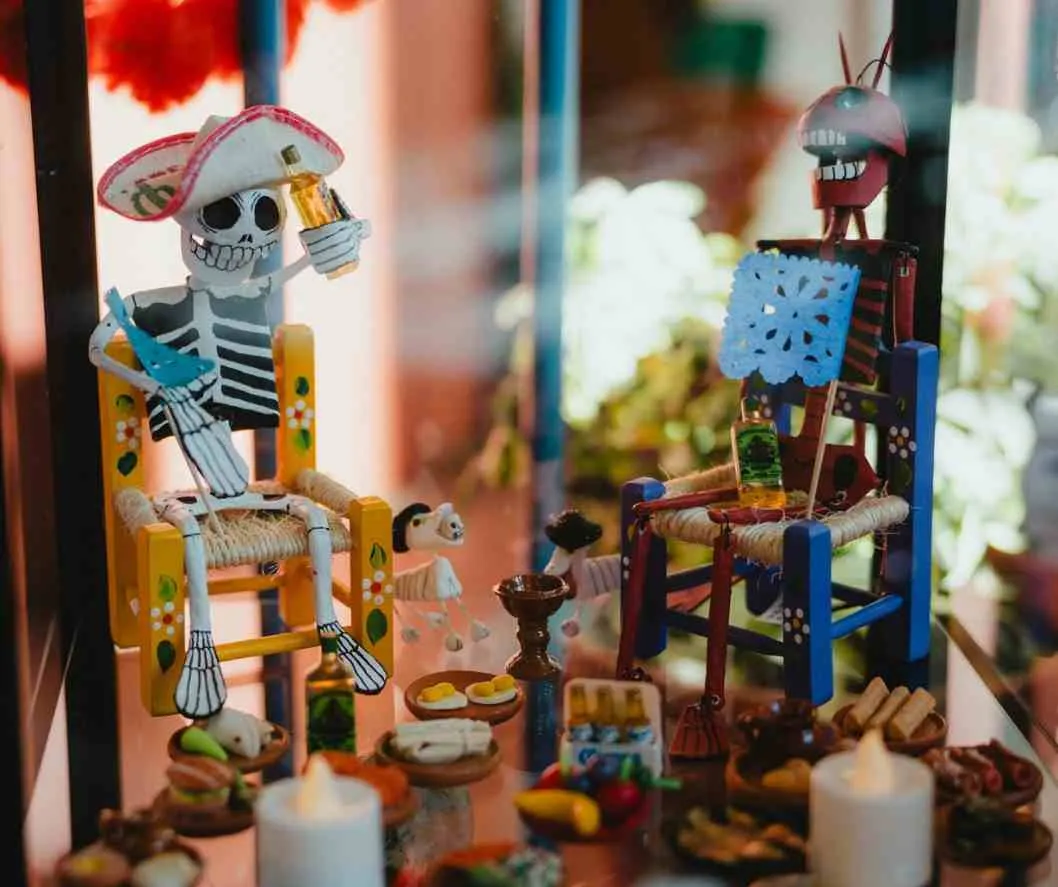
There were also two ‘guests of honour’ at the altar. One, a skeletal figure seated proudly in a chair, was introduced as Pacheco, a journalist who died during the Mexican uprising. The other, unmistakable in her feathered hat and painted grin, was La Calavera Catrina – the elegant lady death born from José Guadalupe Posada’s satirical print, later immortalised by Diego Rivera. Once a critique of vanity, she now reigns as the queen of the holiday.
Each level of the ofrenda carries meaning. The lower ones reflect indigenous beliefs: copal incense to cleanse, salt for purification, and water to quench the thirst of returning souls who, according to tradition, arrive parched from their long journey. Further up, offerings of food and drink – often including tequila or Coronita beer – reflect the pleasures of those who’ve passed. After all, if Uncle Jorge loved his mezcal in life, it does belong on the ofrenda. Why should the afterlife be dry?

The experience wasn’t only spiritual. It was also culinary. TODO’s head chef, Keve Márton, spoke of his admiration for Mexican cuisine and its striking parallels with Hungarian food: the love of spice, the use of corn, the slow-cooked stews. “We’ve even got a dish called pozole rojo that’s not far from goulash,” he said, before moving on to mole negro, a rich, chocolate-chilli sauce that can take days to perfect. The TODO team even prepared a version of the dish for the ofrenda, adding a personal touch to the Día de Muertos tribute.
As the celebration unfolded, guests were invited to get close to the altar, to explore the tiny skulls and skeleton figurines representing various professions – from fishermen to lawyers – all crafted in markets back home this time of year. “We gift sugar skulls to our close friends,” the ambassador added, “as a way of saying: our bond is eternal, stronger than death.”
As the early afternoon wore on, a band struck up and soulful Mexican music filled the room – voices rising, glasses clinking, feet beginning to move. It was, as Molinero described, “a celebration of life through the lens of death.” And while she reminded attendees that Mexico’s most important holiday is Independence Day (16 September), closely followed by the Virgin of Guadalupe (12 December), and, charmingly, Mother’s Day (“you literally can’t move in the streets”), Día de Muertos remains one of the country’s most beloved cultural expressions.
The day wound down with lively chatter, shared food, and the lingering scent of copal in the air. Budapest may not share Mexico’s cemeteries bursting with music and colour, but for a moment, the capital felt vividly alive with the spirit of the dead.
Curious for more? Click through to explore TODO’s restaurant offerings and see how its culinary side complements the story.


 IT
IT HR
HR NL
NL FR
FR JA
JA RO
RO RU
RU ES
ES TR
TR

