Subscribe to our social channels to get the latest news about Hungary!


A group of Hungarian neurosurgeons are working currently in Malawi, Africa. Globoport tells the story of their first week, which was filled with difficult, yet, successful surgeries, teaching, and getting to know – and adjust to – life in Africa.
The participants of the 17th medical and 3rd surgical mission of the African Hungarian Union (AHU) all came from the Hungarian National Institute of Neurosurgery, namely Dr József Árpád Kelemen (anaesthetist and intensive therapist), Dr Balázs Markia (head physician of paediatric neurosurgery), Dr Gábor Nagy (head physician of neurosurgery), Dr Adrien Dorina Rácz and Dr László Szegedi (both of them are neurosurgeon registrars).
[button link=”https://dailynewshungary.com/four-hungarian-ladies-curing-uganda/” color=”pink” newwindow=”yes”] Four missionaries returned from Uganda recently and wrote about their experiences there[/button]
The surgeons were prepared to meet with cases in Africa that they would not see in Hungary, and so it happened.
They had really serious cases in Blantyre, the second biggest city of Malawi. The surgery series began with children in severe health states, who are now on their way to a fast recovery, thanks to the Hungarian surgeons.
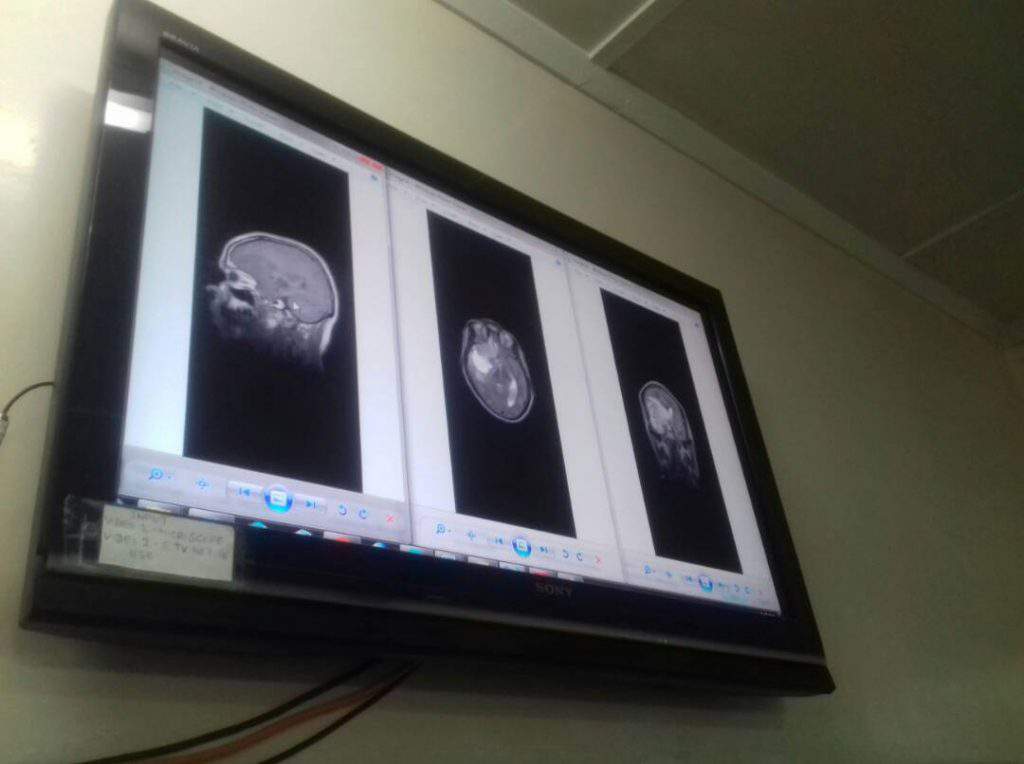
On this Tuesday, they were about to remove a tumour from the brain of a 57-year-old man. However, it turned out that they may be faced with a tuberculoma – which is a tumour-like lump intergrowth following tuberculosis. This is a frequent case in South East Africa, but not in Hungary: the surgeons have never actually seen such a thing before. It is yet unknown what the lump really is, the histology will be ready by Monday.
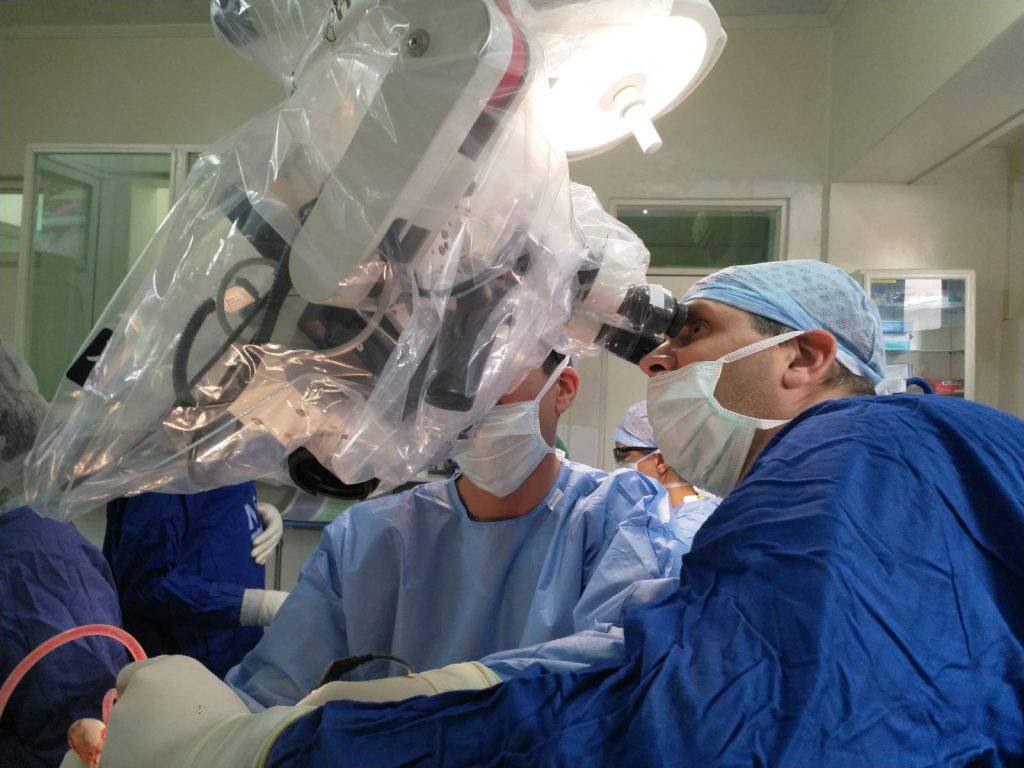
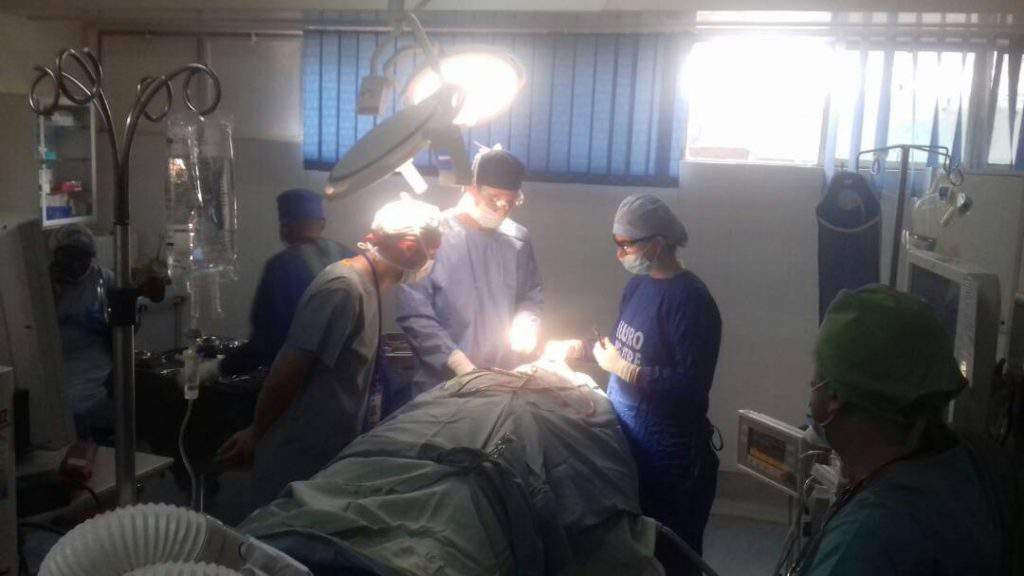
On average, there are two complicated surgeries per day, performed by the Hungarian neurosurgeons. The surgeries are performed by two split teams. These are mostly cases that the local neurosurgeons are unable to treat.
So far, all the operations were successful, the condition of the patients is improving.
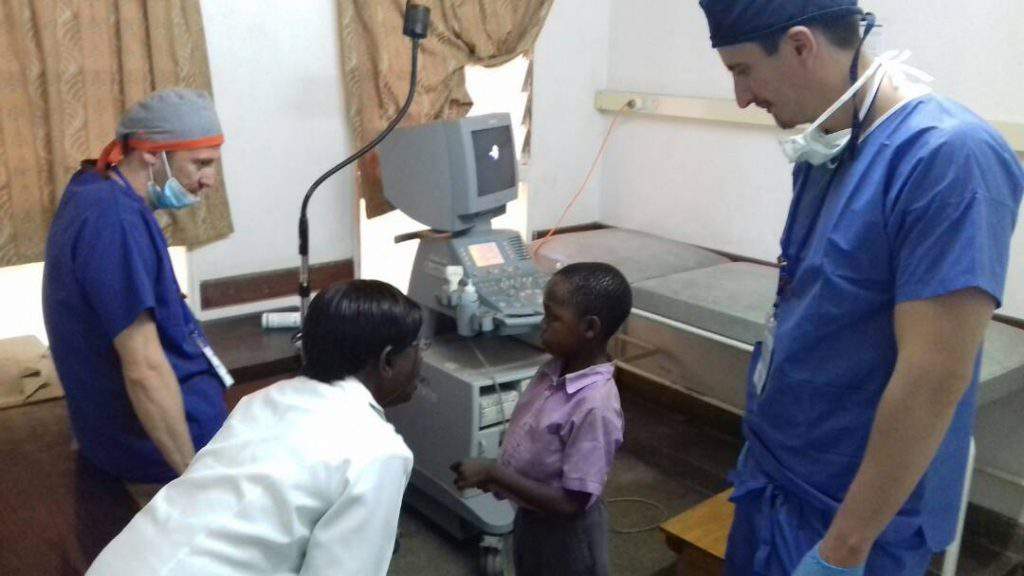
On Thursday, the first operation was the removal of an acoustic neuroma. Even though this was a complex, 4-5 hours long surgery, the team still had time to examine five children at the Jacaranda school (the school receives funds from the African Hungarian Union).
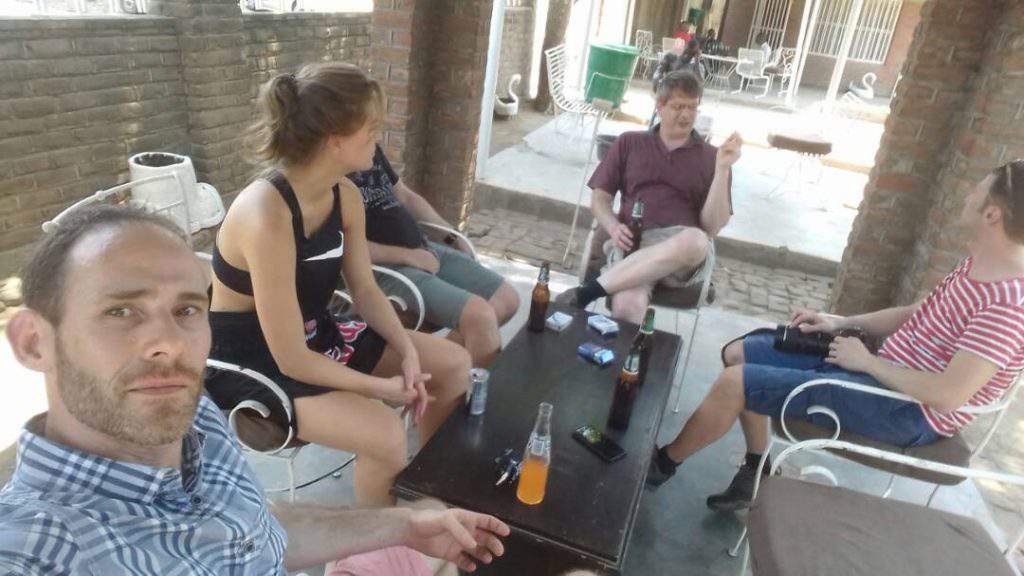
As we can read in the report published on Globoport, the doctors decided to let off the steam at the local medical university’s sports facility. However, their expectations were let down, as the squash fields are under renovation for two weeks now, and are not finished yet, despite the promises. So, the team split in half (as they mostly do during operating days) – reports Csaba Szeremley, leader of the Hungarian Trade & Cultural Center’s (HTCC) Malawi section.
“The lazy ones picked jogging and hitting the gym, while the sportier ones grabbed a beer at the bar.”
In the evening, the neurosurgeons participated at the Diwali light celebration, which is the biggest celebration of the local Indian community. It was around this time last year when the latest AHU mission took place. On that occasion, ear, nose and throat specialists were helping out the local doctors. Only vegetarian meals were served, yet everyone felt full after having such delicious, spicy meals. In the meantime, traditional Indian dances were performed both by children and by adults on a stage. Later on, after the usual scorpion scavenger hunt, the doctors hugged their pillows happily, longing for a good night’s sleep.
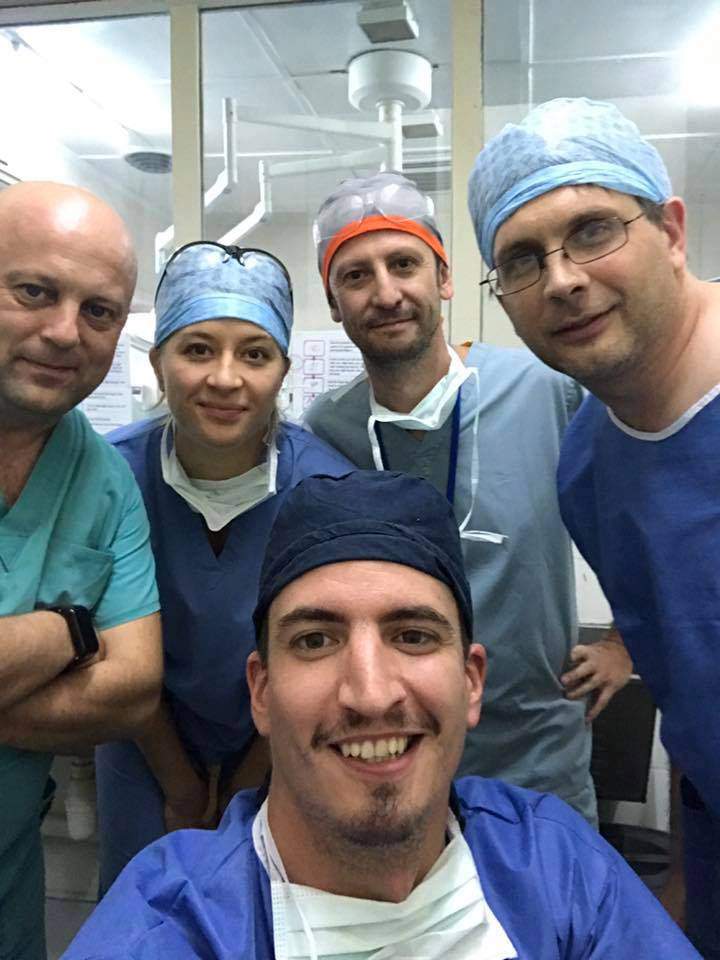
Friday morning arrived, with 3 operations, and the training of a third-year surgeon resident. Dinner was prepared for them at the HTCC house – not even the short black-out could stop the cooking process.
Dinner was a tasty mixture of the Hungarian and the African cuisine.
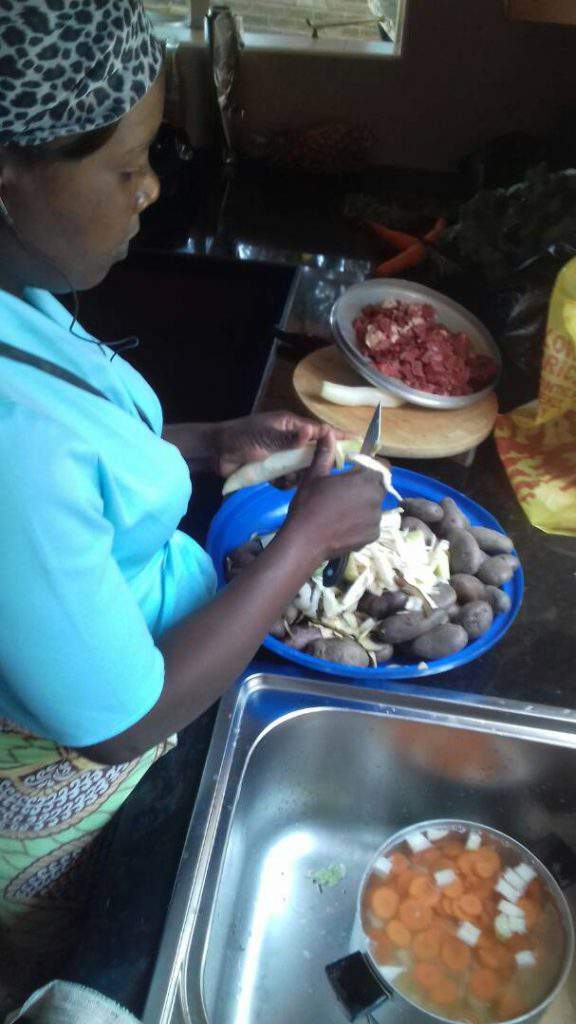
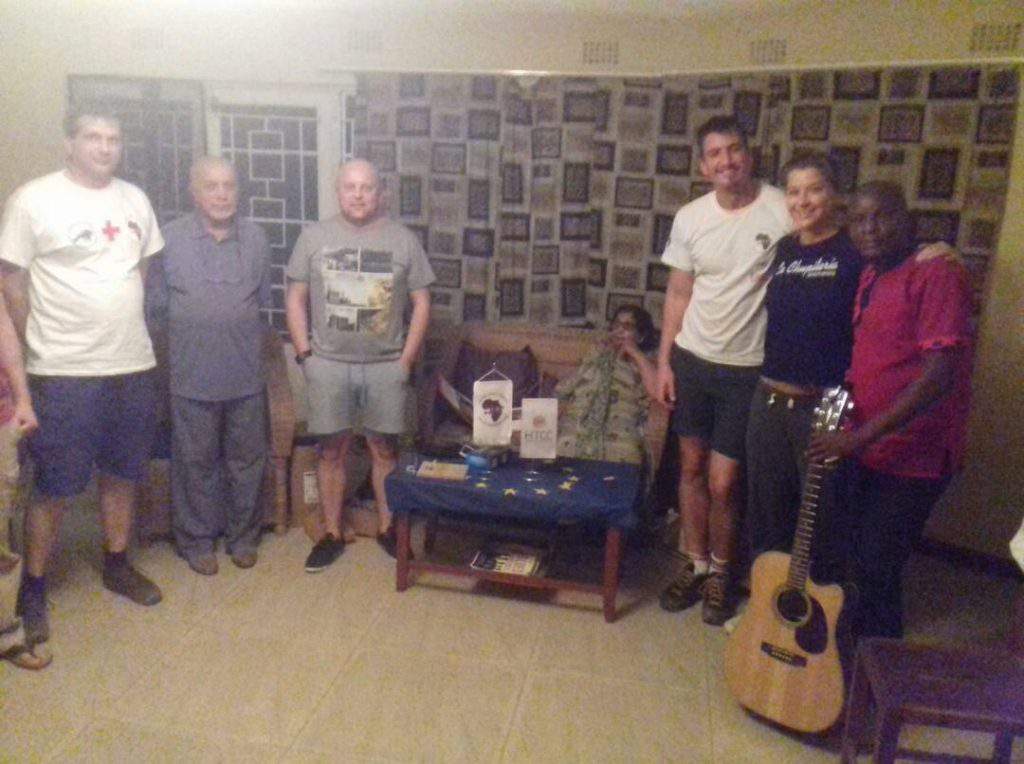
The Hungarian cuisine was represented by the goulash soup, but there was grilled chicken too, and fruit salad, prepared with mango. The group invited over a local musician, Agorosso, who performed in Budapest on several occasions, last time this summer.
Weekends are for fun and relaxation in Malawi, too: the Hungarian neurosurgeons went hiking.
photos: globoport.hu
Source: globoport.hu


