St. Martin’s Day in Hungary: A guide to traditions and superstitions

St. Martin’s Day (Márton-nap) in Hungary, celebrated on 11 November, marks the end of the agricultural year with lively festivities, indulgent feasts, and a tapestry of age-old superstitions. This day is a vibrant blend of gastronomic traditions—roast goose and new wine are musts—and folk beliefs.
Goose feast
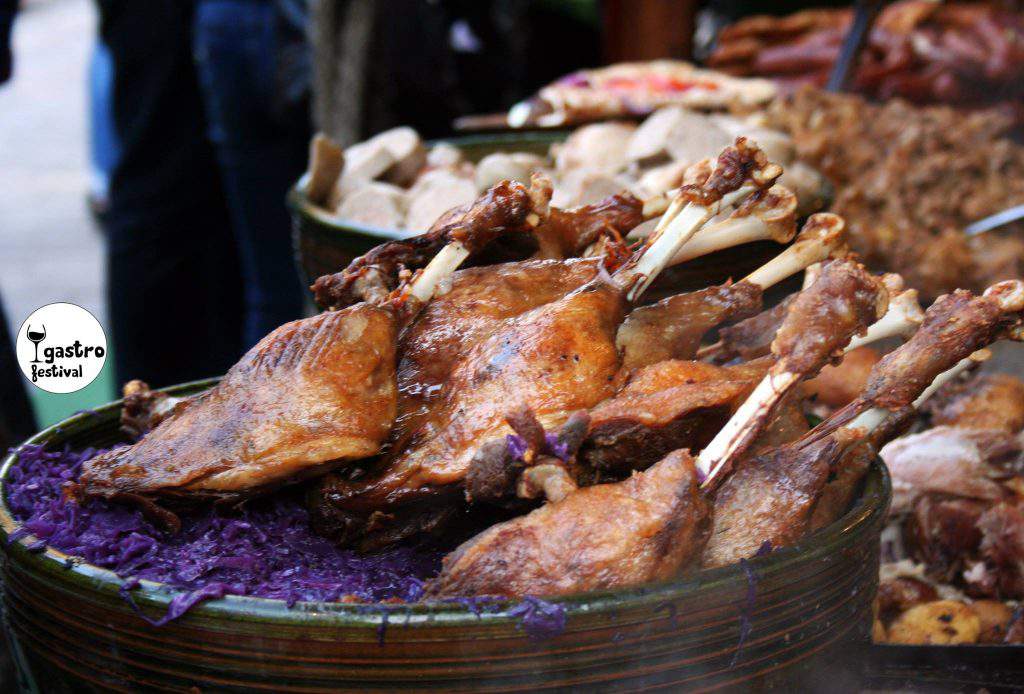
Central to the celebrations is the feasting on roasted goose, a dish that has become synonymous with St. Martin’s Day. The tradition stems from a popular saying: “He who does not eat goose on St. Martin’s Day will be hungry all year.” Families prepare various goose dishes, including goose soup and roasted goose legs, often served with red cabbage. This meal not only signifies abundance but also serves as a farewell to the harvest season. Many restaurants have this special delicacy on the menu on St. Martin’s Day.
New wine
In addition to the culinary delights, St. Martin’s Day is also celebrated as the feast of new wine. This occasion marks the first tasting of the year’s wine harvest, with many families gathering to sample and bless their new wines. The act of tasting new wine is deeply embedded in Hungarian culture, symbolising both celebration and gratitude for the fruitful year.
Festivities
St. Martin’s Day also serves as a time for community gatherings. Families come together to share meals, enjoy each other’s company, and partake in local festivities that often include folk dances and music. Many towns host public events where people can celebrate with traditional foods and drinks, reinforcing community bonds.
In Hungary, St. Martin’s Day torch-lit processions, inspired by German traditions, symbolise the light of good deeds. Organised by German-speaking communities, schools, and churches, children and families walk the streets with handmade lanterns, singing songs dedicated to St. Martin. Often led by a rider dressed as St. Martin in a Roman soldier’s red cloak, the procession culminates in a short play about St. Martin’s kindness to a beggar, followed by lighting a bonfire and sharing goose-shaped pastries and warm drinks.