9 facts about Széchenyi Bath you may not know

Change language:
Széchenyi Bath is the most popular bathing place in Budapest and also one of the most attractive sights of the capital among tourists – it has even become the international bath of the year in 2016. However, “Szecska” holds many secrets that most of its visitors might not be aware of. Here are some of the most interesting facts regarding the famous bath, collected by Termalfurdo.hu.
The idea of searching for thermal water under Budapest came up in 1867, at the time of the Austro-Hungarian Compromise. Mine engineer Vilmos Zsigmondy was entrusted to mark the optimal site of the well, and he placed it at the end of Andrássy Street. The construction of the bath began in 1909 in Városliget, as the newly built Heroes’ Square hindered digging under the spot Zsigmondy marked earlier.
Széchenyi Bath opened its gates in 1913 after four years of construction.
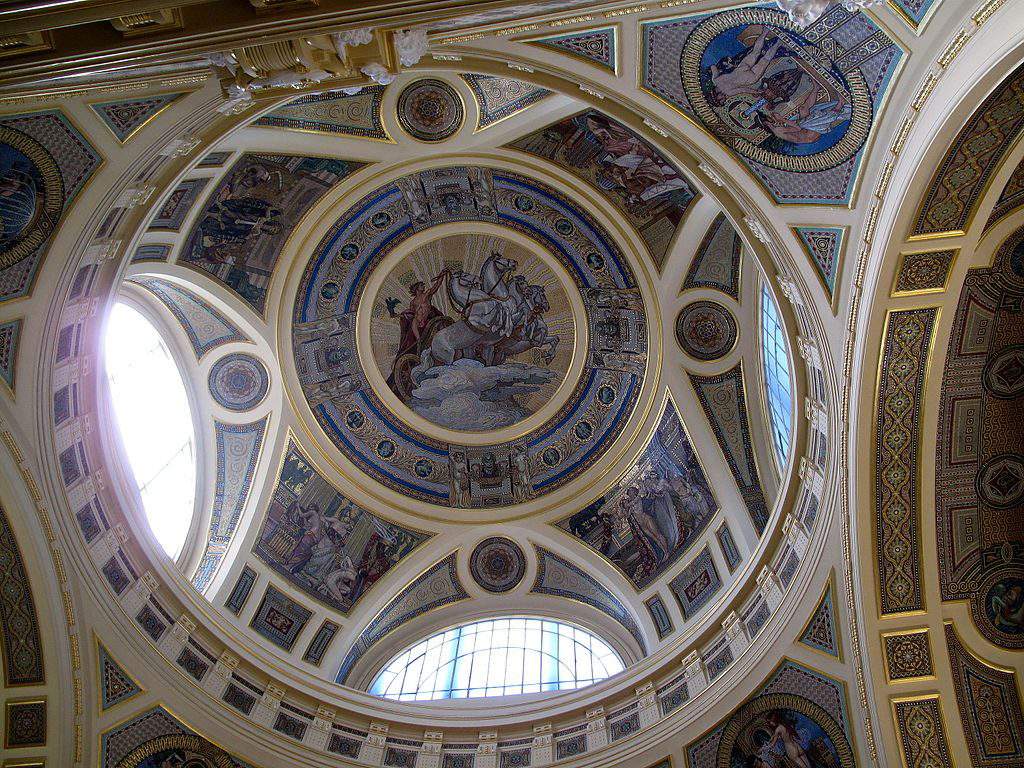
The bath is often referred to as a “palace”. This name comes from the fascinating decoration inside the building, which is full of motives and symbols related to water and bathing, including shells, fish, mermaids and sea monsters. These and the enormous pillars and arcs of the bath may make visitors feel that they are in the palace of a marine kingdom.
The siege of Budapest during the end of World War II did not spare the bath, either: the bombings and armoured assaults severely damaged the building. The restoration has begun right after the end of the war, and the process was quite successful: the bath was opened next spring already. The building was divided into two, as the right wing was for Soviet soldiers, while the Hungarian population used the left one.
But let us talk about the water itself: the bath is supported by the second deepest well of Budapest, which is 1,246 meters deep. The 76 degrees Celsius hot water contains lots of useful minerals and materials, including sodium, calcium magnesium hydrogen carbonate, sulfates, fluoride and meta-boric acid.