Subscribe to our social channels to get the latest news about Hungary!


As former US President Donald Trump hosts Ukrainian President Volodymyr Zelensky and European leaders in Washington this evening, Lithuania has announced its readiness to deploy troops to Ukraine. According to media reports, President Vladimir Putin told Trump during talks in Alaska that there would be no peace without Russian control of the Donbas. For now, however, the region remains under Ukrainian control.
According to the Turkish news agency Anadolu, Lithuania has expressed its willingness to send troops to Ukraine. The Baltic state is a member of NATO. The report noted that an exact number of troops has yet to be disclosed, and discussions are ongoing. Dainius Zikevičius, a senior adviser to Lithuania’s president, said Lithuanian troops would also assist in training Ukrainian forces.
On Sunday, Lithuanian President Gitanas Nausėda wrote on X that military aid for Ukraine is “vital” to ensure Kyiv holds a strong position at the negotiating table. He also underlined the need for Ukraine to receive firm security guarantees, including from the United States, and called on the international community to increase pressure on Russia.
Some thoughts after the CoW meeting:
– International pressure must intensify in light of Russia’s refusal to halt the killings.
– Military support is vital for Ukraine to gain leverage in negotiations.
– 🇺🇦 requires genuine security guarantees, including reassurance forces with US backing &…pic.twitter.com/DwcRbgPyzG— Gitanas Nausėda (@GitanasNauseda) August 17, 2025
The president’s statement followed a virtual meeting of the so-called “coalition of the willing”, which included President Zelensky, French President Emmanuel Macron, and British Prime Minister Keir Starmer. Participants agreed on the need for a just and lasting peace.
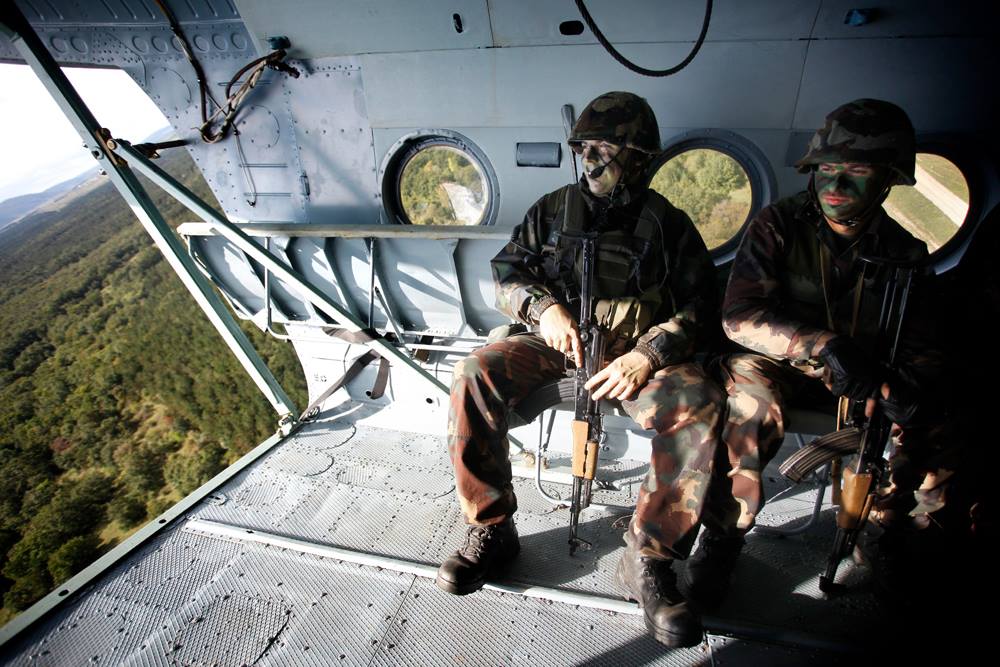
The New York Times, citing senior European officials, earlier reported that Trump may be willing to cede Ukrainian territory to Russia—potentially including parts of the Donbas still under Ukrainian control. President Zelensky has rejected the proposal, warning that such an arrangement would invite a renewed Russian offensive by dismantling Ukraine’s hardened defences and forcing troops to abandon fortified positions.
In return, Putin would reportedly offer written assurances to halt further attacks, refrain from targeting other European states, and agree to a system of security guarantees for Kyiv akin to NATO’s Article 5, though implemented outside the NATO framework.
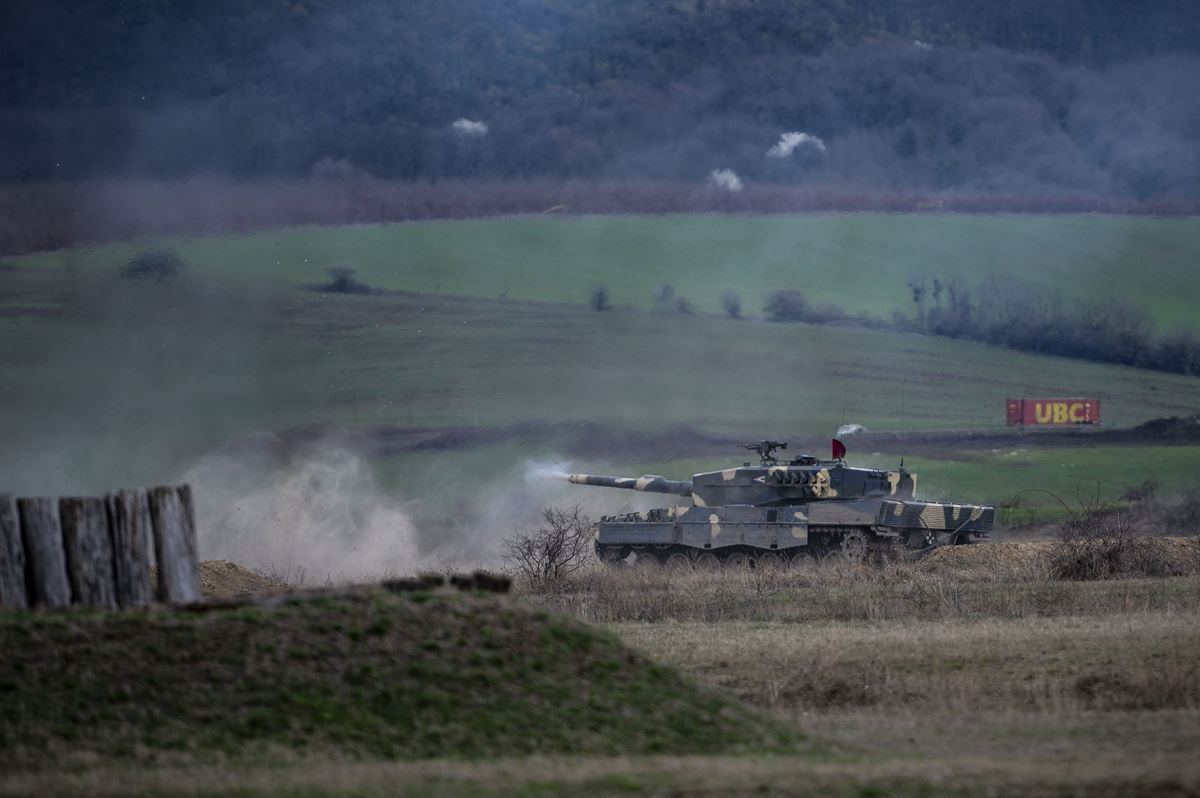
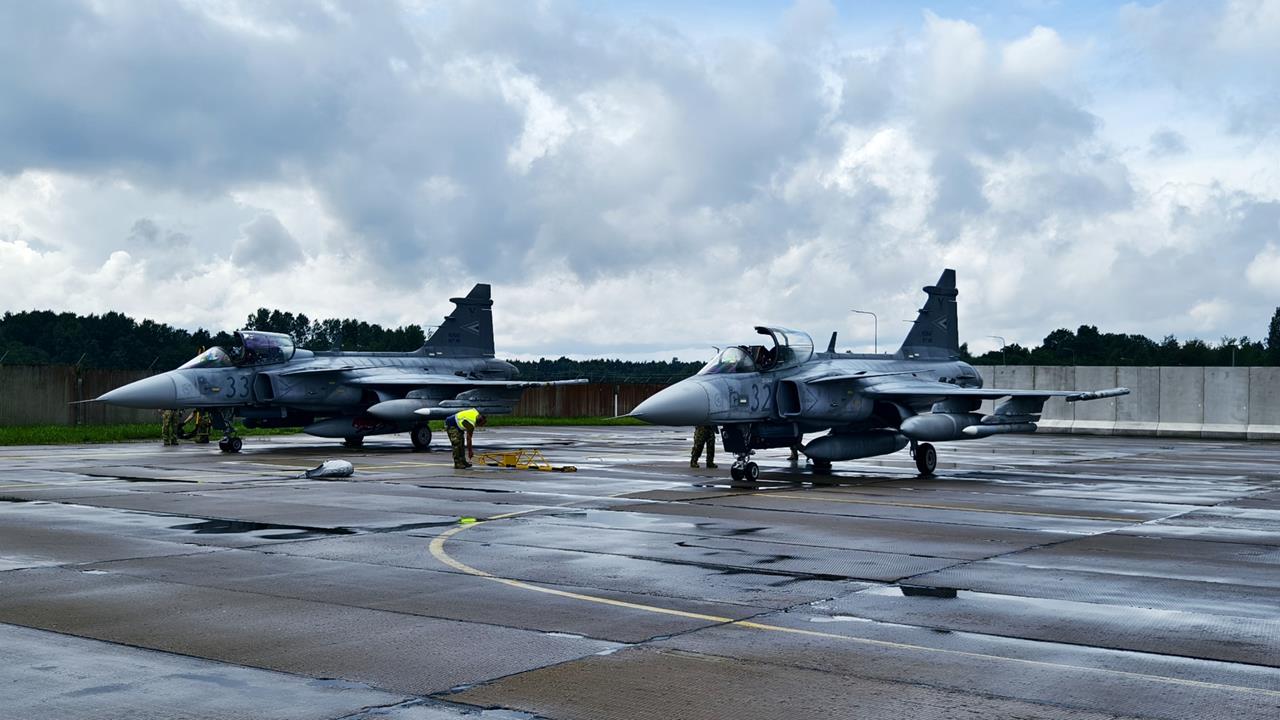
Hungary’s Orbán government has already made clear that it will not send troops to Ukraine, though it continues to support the Ukrainian resistance in other ways—providing medical assistance, non-lethal military equipment, and other aid. Hungary currently leads the NATO mission responsible for protecting the airspace of the Baltic states. As previously reported, Hungarian forces under this mission have intercepted Russian aircraft. The potential deployment of Lithuanian troops to Ukraine could signal a significant shift in this security balance.
Since the beginning of Russia’s full-scale invasion, the Baltic states—together with Poland—have adopted one of the toughest positions against Moscow, providing Ukraine with virtually everything short of combat troops. Their resolve is rooted in history: the Baltic countries only regained independence from Soviet rule in 1991, while Poland has spent much of its history resisting Russian and Soviet domination.
Continue reading:
For more news about the war, click here.
To read or share this article in Hungarian, click here: Helló Magyar


