


Budapest’s future in jeopardy? New law could let neighbours decide if you can move in!

Change language:
The Hungarian government’s new draft law, dubbed the Local Identity Protection Law, would, in reality, restrict people’s freedom to choose where they live—starting with Budapest. Under the proposal, each Budapest district would be given the autonomous right to decide who can move there and under what conditions.
According to 24.hu, this means that, for example, if someone wants to move from Újbuda to Hegyvidék, the 12th District could either prohibit it or allow it only under significant financial conditions. The law also allows district authorities to make the establishment of a residence or the acquisition of real estate subject to ‘self-identity’ or ‘community interest obligations’. In effect, they could impose any conditions they deem ‘reasonable’. The right of first refusal would be granted not only to municipalities but also to their companies and to the owners of neighbouring plots of land.
Budapest: a single city or a municipality divided into 23 parts?
One of the most controversial elements of the law is that it essentially treats Budapest as 23 separate cities. Although the districts are separate legal entities, the population of the capital has always been able to move freely between them. But this new legislation would allow a district to prevent other Budapest residents from moving in.
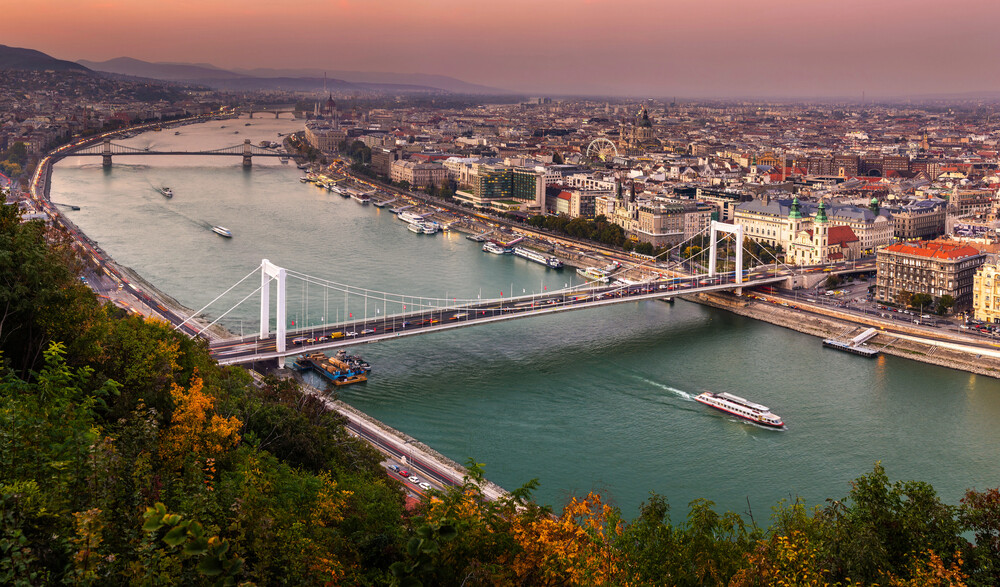
This could create absurd situations: imagine someone moving from one side of Király Street to the other—crossing into a different district—and one municipality insisting that the move is only permitted if the individual conforms to certain ‘local customs and traditions’. Not only is this legally questionable, but it also infringes upon a basic human freedom.
Dávid Vitézy’s reaction
According to Dávid Vitézy a well-known member of the Metropolitan Assembly, the capital is not just the centre of Hungarian politics and culture—it is also the economic engine of the country. Part of Budapest’s appeal is its ability to attract students, workers, and businesses from across Hungary. Such a restrictive law could deter new labour and slow the city’s development.
The restriction is not merely a problem for Budapest. If extended to other Hungarian cities, it could stifle mobility nationwide. This would be especially disadvantageous for young people, who often move from city to city for education or employment.

This is a version of the old Russian “Propiska” system which is now referred to as ZATO which establishes closed cities. Hungarian comrades you are becoming “Little Russians”. Be proud of your new Russian identity and start learning Russian.
Another amateurish move on the government’s part.