Explaining the Treaty of Trianon to non-Hungarians

Change language:
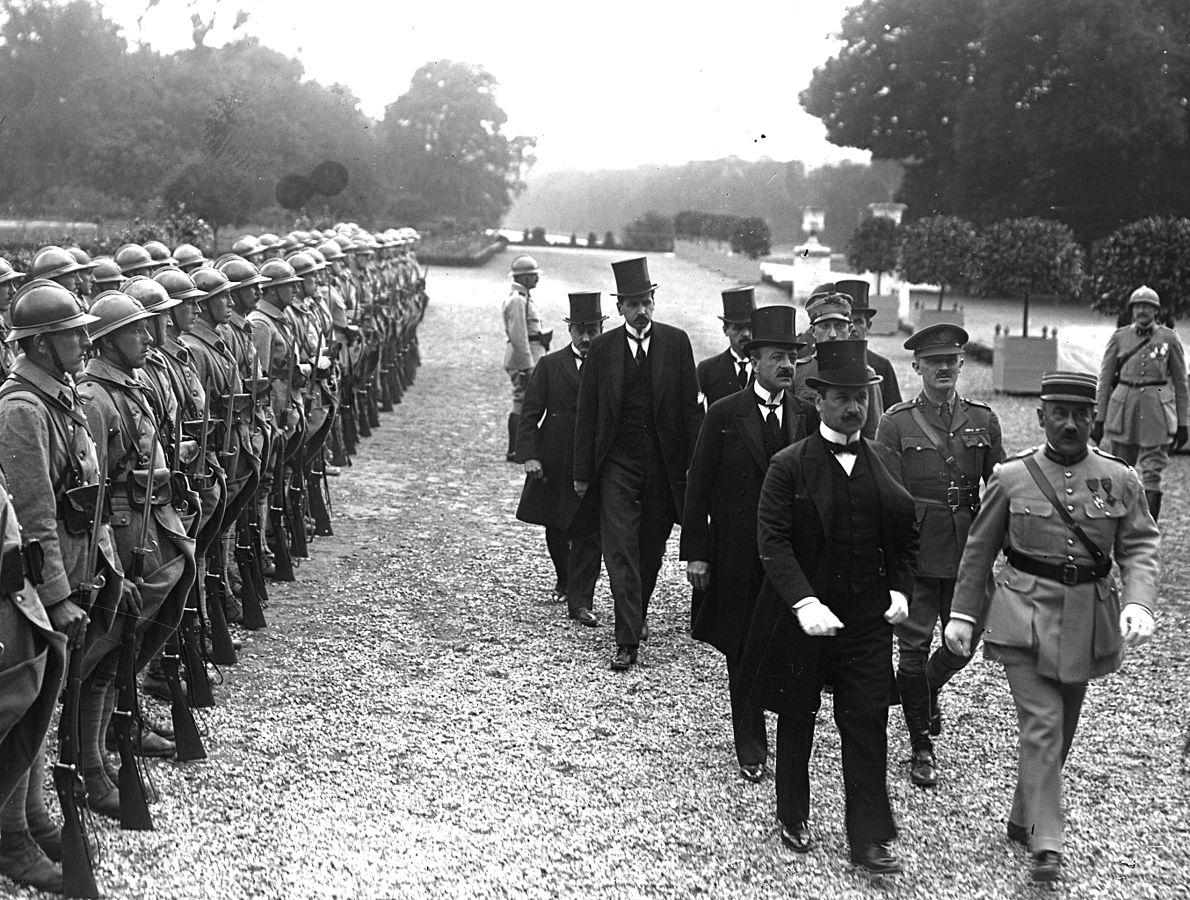
The Treaty of Trianon, signed on 4 June 1920 at the Grand Trianon Palace in Versailles, is one of the most consequential and controversial peace treaties in European history. It formally ended World War I between Hungary and most of the Allied Powers, but its significance for Hungary (and for the region) extends far beyond the cessation of hostilities.
What was the Treaty of Trianon?
The treaty was one of several agreements resulting from the Paris Peace Conference, which aimed to redraw the map of Europe after the collapse of the Austro-Hungarian Empire. Hungary, once a major part of this empire, was forced to accept terms dictated by the victorious Allies. The Hungarian delegation had little room for negotiation and signed the treaty under protest, as the country’s leaders believed the terms were excessively harsh and ignored the principle of self-determination.
Territorial and demographic changes
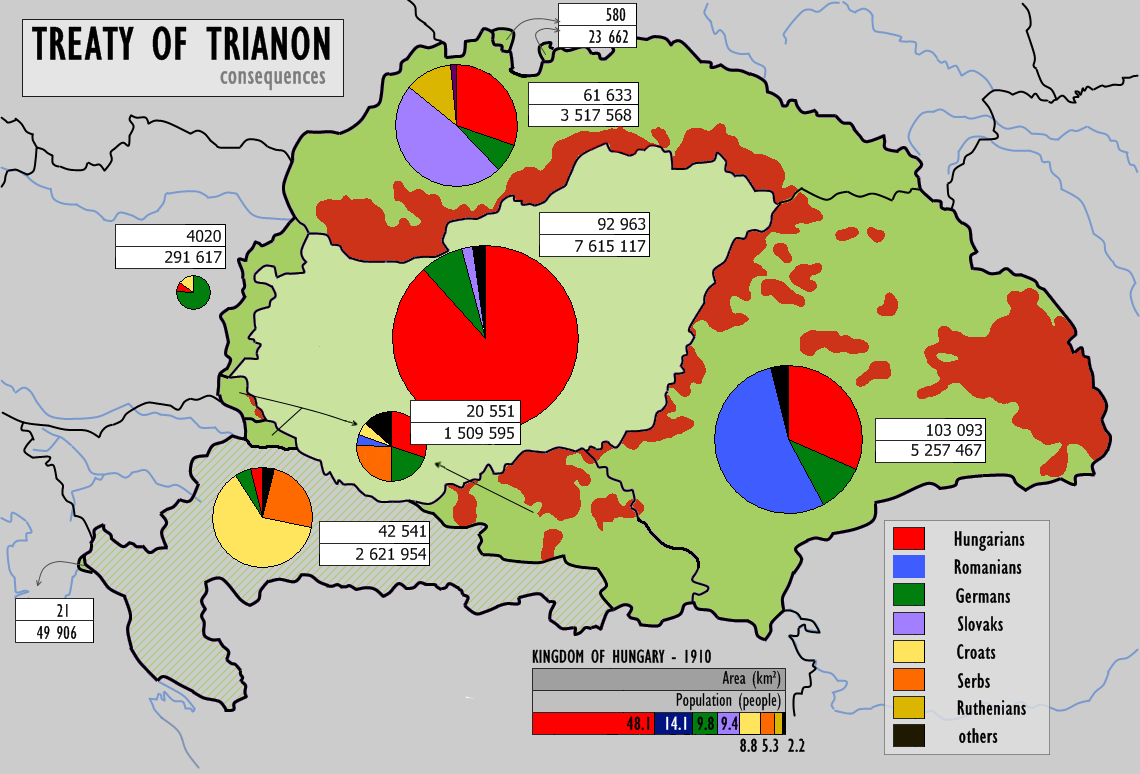
The most dramatic consequence of the Treaty of Trianon was the redrawing of Hungary’s borders.
Hungary lost about two-thirds of its territory and population.
The new borders left millions of ethnic Hungarians outside the new, much smaller Hungary, living in newly formed or expanded neighbouring states such as Czechoslovakia, Romania, and Yugoslavia. For example, Slovakia and Ruthenia went to Czechoslovakia, Transylvania to Romania, and Croatia-Slavonia to Yugoslavia.
This loss was not just a matter of land but also of people: approximately one-third of all ethnic Hungarians found themselves minorities in foreign countries overnight, fueling long-lasting grievances and a sense of national tragedy.