Hungarian researchers developing a smart, AI-based traffic control solution, currently being tested in Istanbul and Pécs

Change language:
For someone who drives a lot in the city, the basic experience is that traffic lights work quite predictably – perhaps with different cycles depending on the time of day, but otherwise, there is no variation in the rhythm of the green and red light changes. Since traffic is far from being this predictable, it is easy to see that this is not the most optimal method of traffic control.
Smart, AI-based traffic control solution
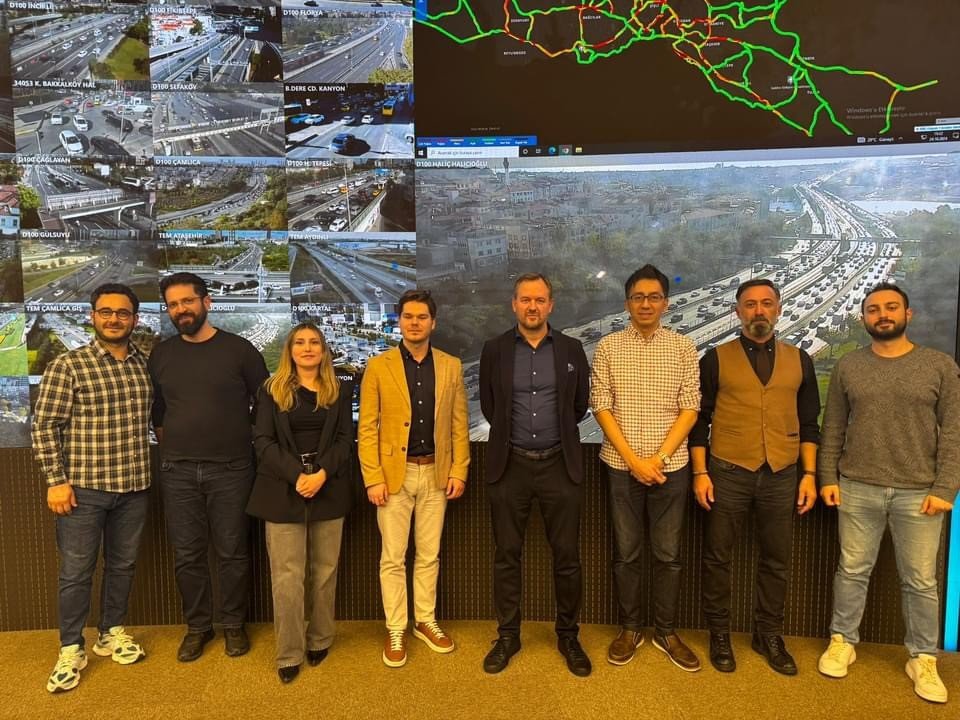
Researchers at the Faculty of Electrical Engineering and Informatics at BME, in collaboration with their Japanese and Turkish colleagues, are working on making
future traffic lights dynamically controlled by algorithms, rather than rigidly programmed robots.
These smart devices would be able to predict traffic patterns and adapt in advance to changes.
The project called ‘Multi-Input Deep Learning for Congestion Prediction and Traffic Light Control (TRALICO)’ was launched one and a half years ago. A completely new neural network has been developed at BME, which will soon enter the phase of live testing, Vilmos Simon, associate professor at the Department of Networked Systems and Services, the BME coordinator of the project, told bme.hu.

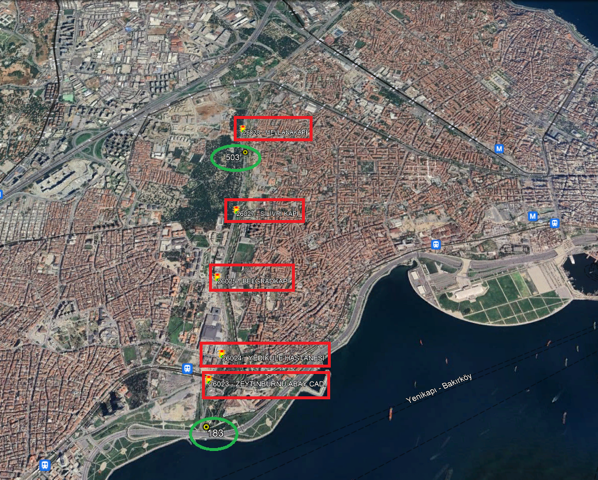
The tests will be conducted in Istanbul, not only because the city is well-known for suffering from heavy traffic jams, but also because it is equipped with fairly comprehensive traffic counting data. Radar and Bluetooth sensors embedded in the asphalt send data to the city’s traffic experts, and they even have mobile network data – all of which can be reliably utilised by an AI-based solution.
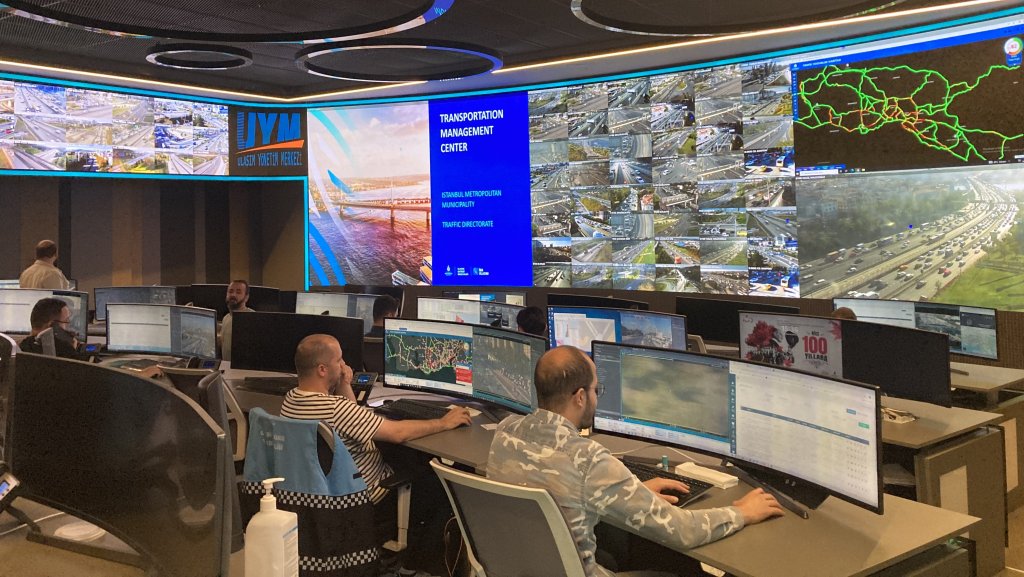
“The local traffic control centre has been experimenting for quite some time with tapping into the operation of traffic lights in real time, using camera images or other signals. However, instead of such retroactive, manual methods, the aim is to develop a prediction model that can forecast traffic patterns and intervene in a timely and synchronised manner.
So it doesn’t manage congestion, it prevents it”,
Vilmos Simon explained in response to our question. It is a pioneering development in this sense – systems similar to TRALICO have reportedly been used in some Chinese cities under the name City Brain, but almost nothing is known about what exactly they are capable of.