
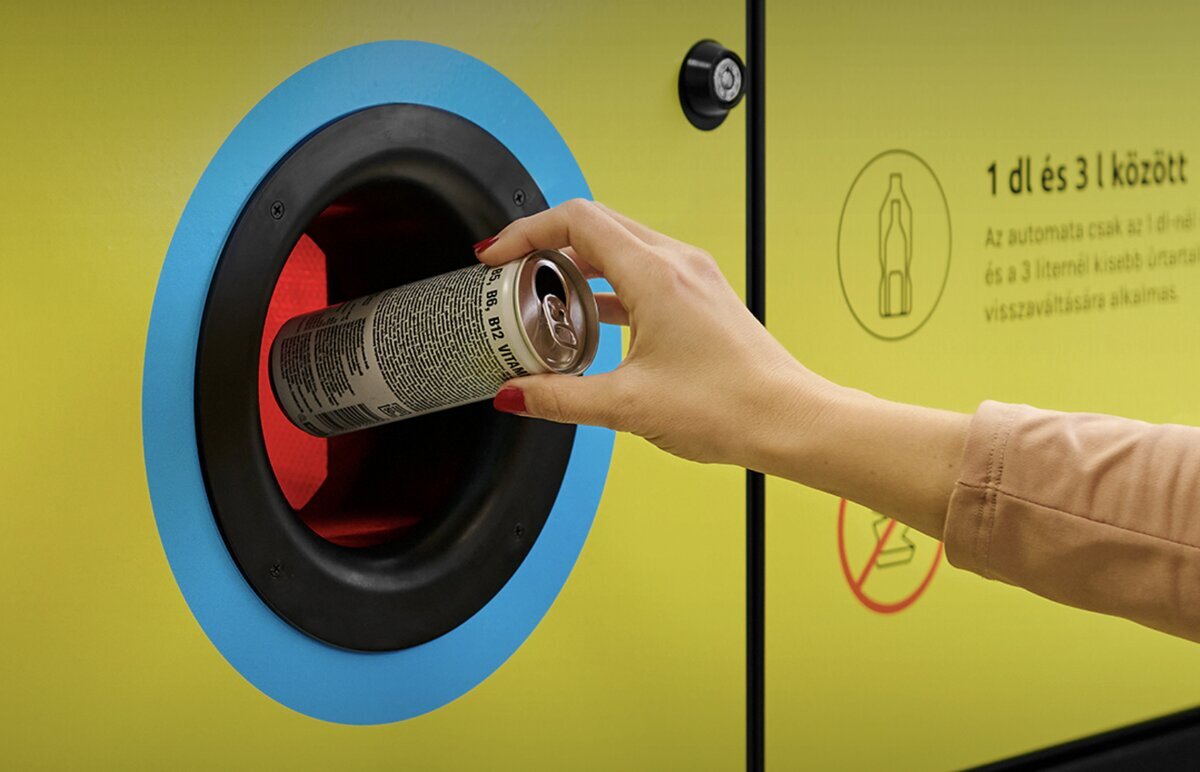
Hungary’s bottle-return scheme has helped boost recycling rates, but competition for discarded containers is creating a darker side to the system in Budapest, with reports of exploitation, organised collection networks and even knife attacks.
A booming business on the streets
Since the introduction of Hungary’s mandatory bottle-return scheme in the summer of 2024, collecting discarded bottles and cans has become a source of income for thousands of people. However, an investigation by Hungarian news outlet Index suggests that the growing business is also bringing serious problems to the capital’s streets.
According to figures from waste management company MOHU cited by Index, nearly 90% of plastic bottles, glass bottles and metal cans placed on the Hungarian market now make their way back into the return system. As fewer containers are left lying around, competition for the remaining ones has intensified.
Have you heard? Cash refund for recycling bottles could soon disappear in Budapest
Vulnerable people and an emerging black market
Sociologist Péter Győri estimated earlier this year that around 5,000 people who had not previously been part of Budapest’s street scene had arrived in the capital to make a living from collecting bottles. They include homeless people, pensioners, low-income workers and people travelling from poorer parts of the country to supplement their earnings.
Some collectors describe the activity as flexible work, but Index also found signs of an emerging informal market. According to social care professionals interviewed by the outlet, so-called wholesale collectors buy bottles from others for HUF 25–30 each before returning them for the full HUF 50 deposit. Sources also reported that certain areas are effectively controlled by groups, with vulnerable collectors allegedly pressured into handing over their earnings.
Make things easier with professional support in English. Explore Daily News Hungary’s Services in English and find the help you need.
Knife attacks and exploitation raise concerns
The consequences can be severe. One collector told Index that he was attacked with a knife while sleeping beside four bags of bottles worth around HUF 20,000 (EUR 55). Others described theft, fights over containers and intimidation around busy transport hubs.
Social workers also warned that the activity can affect children, with some young people reportedly skipping school to collect bottles. They raised concerns that vulnerable minors could be exploited by family members or others.
Meanwhile, residents and local workers have complained about damaged rubbish bins, scattered waste and frequent disputes near return machines.
The investigation paints a complex picture: the scheme has significantly improved recycling, but its unintended social consequences are raising questions about how vulnerable people are protected from exploitation and violence.



Another pea-brained idea by the E.Useless.
I did recycle my bottles and cans, and it was a LOT, as I drink a can of soda and an iced coffee every single day, plus juice during the summer. I rinsed them out and kept them in a container at home.
One day, I filled up a backpack, one of those huge IKEA bags, and a couple smaller bags — chock-full of bottles and cans — and off I went to the Nyugati Spar loaded like a goddamn mule. I get there and BOTH of the recycling machines were out of order. So I went to the Lidl down the road, which I had avoided because its machine was extremely slow (think: 6-8 seconds to process a single item). There was a hobo there with a bazillion items already using it and a lady behind him with a smaller quantity. I was going to wait at least a half an hour to get my turn and was then going to spend (WASTE!) at least as long feeding the machine.
That’s when I lost it.
I returned home and, in the courtyard, went item by item, crushing the cans (especially at the bar code) and ripping off the bottle labels so they could not be recycled. That’s what I now do routinely. They can keep their 50 Fts.
Oh, and I tear off the bottle caps and throw them away separately from the bottles.
Eff (E) U.